Category: News

  • The Ultimate Battery King? OPPO A6 5G Launched in India with 7,000mAh Battery and IP69 Rating!

    The Ultimate Battery King? OPPO A6 5G Launched in India with 7,000mAh Battery and IP69 Rating!

    OPPO has officially raised the bar in the budget-premium segment with the launch of the OPPO A6 5G in India. Succeeding the popular A5 5G, this new “Monster” device is built for users who demand extreme durability and never-ending battery life. With industry-leading water resistance and a battery that could last for days, the OPPO A6 5G is set to dominate the market.

    Here is everything you need to know about this new powerhouse.

    1. Battery: The 7,000mAh Powerhouse

    The standout feature of the OPPO A6 5G is its massive 7,000mAh battery. This is one of the largest batteries ever seen in a mainstream 5G smartphone in India.

    • Usage: Whether you are a heavy gamer or a traveler, this battery promises to keep the lights on for over two days easily.
    • Charging: To juice up this giant, OPPO has included 45W SUPERVOOC Flash Charge, ensuring you don’t stay tethered to the wall for long.
    • Durability: OPPO promises 5 years of battery durability, meaning the health of the battery will stay optimal for a long time.

    2. Durability: Built to Withstand Anything (IP69 Rating)

    In a segment-first, the OPPO A6 5G comes with an IP66, IP68, and IP69 rating.

    • Water Resistance: The IP69 rating means the phone can withstand high-pressure, high-temperature water jets (up to 80°C) and total immersion.
    • Rugged Build: It is designed to be tough, making it the perfect companion for outdoor adventures and unpredictable Indian weather.

    3. Performance & Cooling

    Under the hood, the OPPO A6 5G is optimized for smooth multitasking and sustained performance.

    • Processor: Powered by the MediaTek Dimensity 6300 (6nm) chipset.
    • Cooling: It features a massive 3900mm² Vapor Chamber, ensuring the phone stays cool even during intensive gaming sessions.
    • RAM/Storage: Available in 4GB and 6GB RAM variants with storage options up to 256GB.

    4. Display and Camera

    • Display: A large 6.75-inch HD+ LCD screen with a 120Hz refresh rate. It offers a peak brightness of 1125 nits, making it perfectly readable under direct sunlight.
    • Rear Camera: A 50MP main camera paired with a 2MP monochrome lens for sharp and detailed shots.
    • Selfie Camera: An 8MP front-facing camera for clear video calls and social-media-ready selfies.

    5. India Pricing and Availability

    The OPPO A6 5G comes in three stunning colors: Sakura Pink, Ice White, and Sapphire Blue.

    VariantPrice in India (Ex-Showroom)
    4GB + 128GB₹17,999
    6GB + 128GB₹19,999
    6GB + 256GB₹21,999

    Launch Offers: Buyers can get a flat ₹1,000 instant cashback with select bank cards and no-cost EMI options for up to 3 months. The phone is now available across the OPPO Online Store and major retail outlets.

  • Vivo X200T Launched: A Performance Beast with ZEISS Cameras and Massive 6,200mAh Battery!

    Vivo X200T Launched: A Performance Beast with ZEISS Cameras and Massive 6,200mAh Battery!

    Vivo has officially expanded its flagship X200 series in India with the launch of the Vivo X200T. Positioned as a “value flagship,” this device bridges the gap between premium performance and professional-grade photography. Launched on January 27, 2026, the X200T is already creating waves for its top-tier specs offered at a highly competitive price point.

    If you are looking for a smartphone that doesn’t compromise on battery, speed, or camera quality, the Vivo X200T might be the ultimate contender for your next upgrade.

    1. Display: Vibrant and Immersive

    The Vivo X200T features a stunning flat display designed for both gamers and binge-watchers.

    • Screen: 6.67-inch 1.5K AMOLED panel.
    • Refresh Rate: 120Hz for buttery-smooth scrolling and gaming.
    • Brightness: A massive 5,000 nits peak brightness, ensuring perfect visibility even under direct sunlight.
    • Protection: Equipped with Schott Xensation Core glass for added durability.

    2. Performance: Powered by Dimensity 9400+

    Under the hood, Vivo has opted for high-end silicon to ensure the X200T handles every task with ease.

    • Processor: MediaTek Dimensity 9400+ (3nm process), which is an overclocked and optimized version of the standard flagship chip.
    • Memory: 12GB of LPDDR5X Ultra RAM.
    • Storage: Available in 256GB and 512GB (UFS 4.1) options.
    • Software: Runs on Android 16-based OriginOS 6, with a promise of 5 major OS updates and 7 years of security patches.

    3. ZEISS Co-Engineered Cameras

    The X200T continues Vivo’s legacy of photography excellence with a triple 50MP rear setup, all fine-tuned by ZEISS.

    Camera TypeSensor DetailsKey Highlights
    Main50MP Sony IMX921f/1.57 aperture, OIS, and ZEISS T* coating
    Telephoto50MP Sony IMX8823x Optical Zoom, 100x HyperZoom, Telephoto Macro
    Ultra-Wide50MP Samsung JN1119° Field of View with Autofocus
    Selfie32MP Front CameraSharp 4K video recording support

    4. Battery & Charging: The Powerhouse

    One of the standout features of the X200T is its massive battery, which is significantly larger than the standard X200.

    • Battery Capacity: 6,200mAh (Silicon-carbon technology for a slim profile).
    • Wired Charging: 90W FlashCharge (goes from 20% to 100% in about 44 minutes).
    • Wireless Charging: Supports 40W wireless charging, a rare feature at this price point.

    5. Price and Availability in India

    Vivo has priced the X200T aggressively to take on its mid-flagship rivals.

    • 12GB + 256GB Variant: ₹59,999
    • 12GB + 512GB Variant: ₹69,999

    Launch Offers: Buyers can avail an instant cashback of ₹5,000 using SBI, HDFC, or Axis bank cards, effectively bringing the starting price down to ₹54,999. The phone is available in two elegant colors: Stellar Black and Seaside Lilac.

  • The Future is Here: Mahindra XUV 7XO Launched with Triple Screens and ChatGPT Integration!

    The Future is Here: Mahindra XUV 7XO Launched with Triple Screens and ChatGPT Integration!

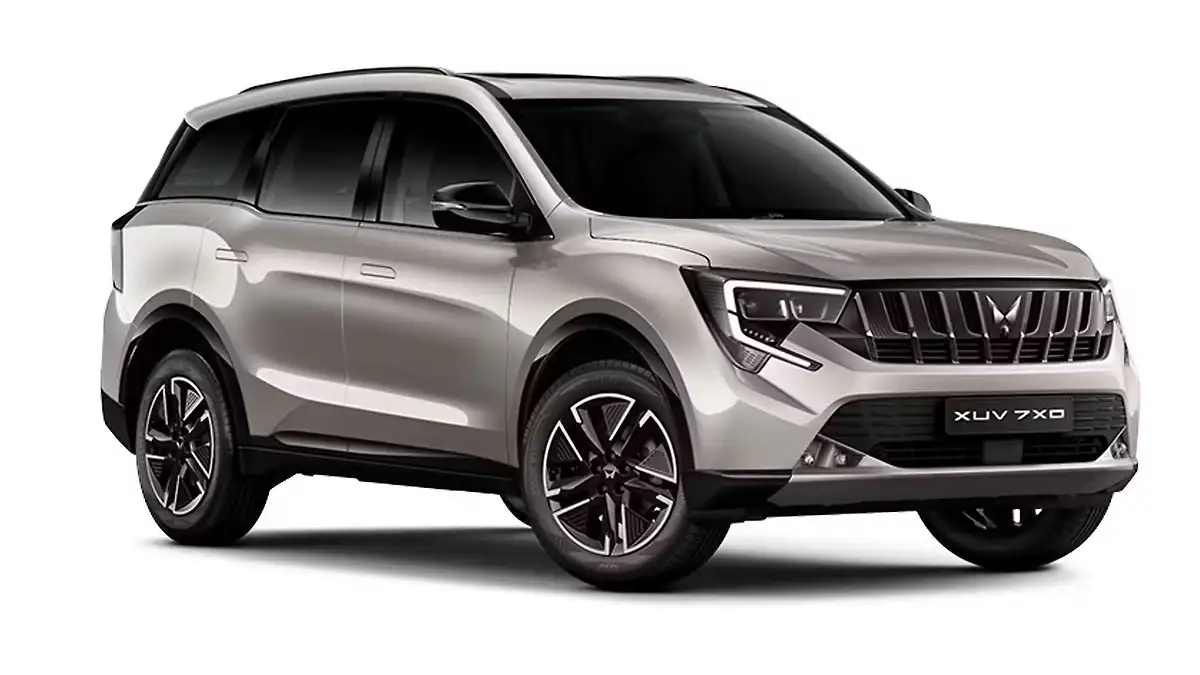
    Mahindra has once again disrupted the premium SUV market by unveiling the much-anticipated Mahindra XUV 7XO. Launched on February 1, 2026, this isn’t just a facelift; it is a massive technological leap that redefines what a “smart SUV” should be. With its futuristic design, industry-leading tech, and robust performance, the XUV 7XO is set to become the new benchmark for luxury SUVs in India.

    1. Design: The “Vision X” Philosophy

    The XUV 7XO introduces Mahindra’s new design language, making it look sharper and more aerodynamic.

    • Illuminated Grille: The front features a new ‘Infinity’ grille with an illuminated Twin-Peaks logo.
    • Dynamic Lighting: New C-shaped LED DRLs with sequential indicators and a “Welcome & Goodbye” light animation.
    • Stealth Stance: It sits on larger 19-inch turbine-inspired alloy wheels, giving it an imposing road presence.

    2. Interior: A Digital Masterpiece

    The biggest highlight of the XUV 7XO is the “Digital Cockpit,” which makes the competition look decades old.

    FeatureSpecification
    DashboardTriple 12.3-inch Screens (Cluster, Infotainment, and Passenger Screen)
    Sound System16-Speaker Harman Kardon with 3D Surround Sound
    ConnectivityIn-built ChatGPT 5.0 for voice assistance & Wireless Apple CarPlay/Android Auto
    ComfortMemory Seats with Welcome Slide and Dual-Zone Climate Control

    The dedicated screen for the front passenger allows them to stream movies or control navigation without distracting the driver.

    3. Engine & Performance: Pure Power

    Under the hood, the XUV 7XO continues to offer the most powerful engines in its segment, now tuned for better fuel efficiency and smoother shifts.

    • mStallion Petrol: 2.0L Turbo engine delivering a whopping 200 PS of power and 380 Nm of torque.
    • mHawk Diesel: 2.2L engine producing 185 PS and 450 Nm of torque.
    • Drive Modes: It comes with Zip, Zap, Zoom, and a new ‘Apex’ mode for maximum performance.
    • AWD System: An intelligent All-Wheel Drive system is available for those who love off-roading adventures.

    4. Unmatched Safety: 5-Star DNA

    Safety is in Mahindra’s blood, and the XUV 7XO takes it to the next level with Level 2+ ADAS (Advanced Driver Assistance Systems).

    • Long-Range Radar: Detects obstacles up to 250 meters away even in heavy fog.
    • 540-Degree Vision: A high-definition camera system that allows you to see “through” the bonnet for precise parking.
    • 7 Airbags: Including a curtain airbag that covers all three rows for maximum protection.
    • Auto-Emergency Braking: Enhanced to detect pedestrians and cyclists at night.

    5. Price and Booking Details

    The Mahindra XUV 7XO is launched at a competitive price point, making luxury accessible.

    • Starting Price: ₹14.49 Lakh (Ex-showroom)
    • Top-End Variant: ₹25.99 Lakh (Ex-showroom)

    Pro-Tip: Mahindra has announced a special “Early Bird” pricing for the first 25,000 bookings. With the massive demand expected, the waiting period might climb quickly!

  • Apple’s iOS 26.2.1 Update Rolls Out With AirTag 2 Support and Bug Fixes — Here’s Why You Should Consider Installing It

    Apple’s iOS 26.2.1 Update Rolls Out With AirTag 2 Support and Bug Fixes — Here’s Why You Should Consider Installing It

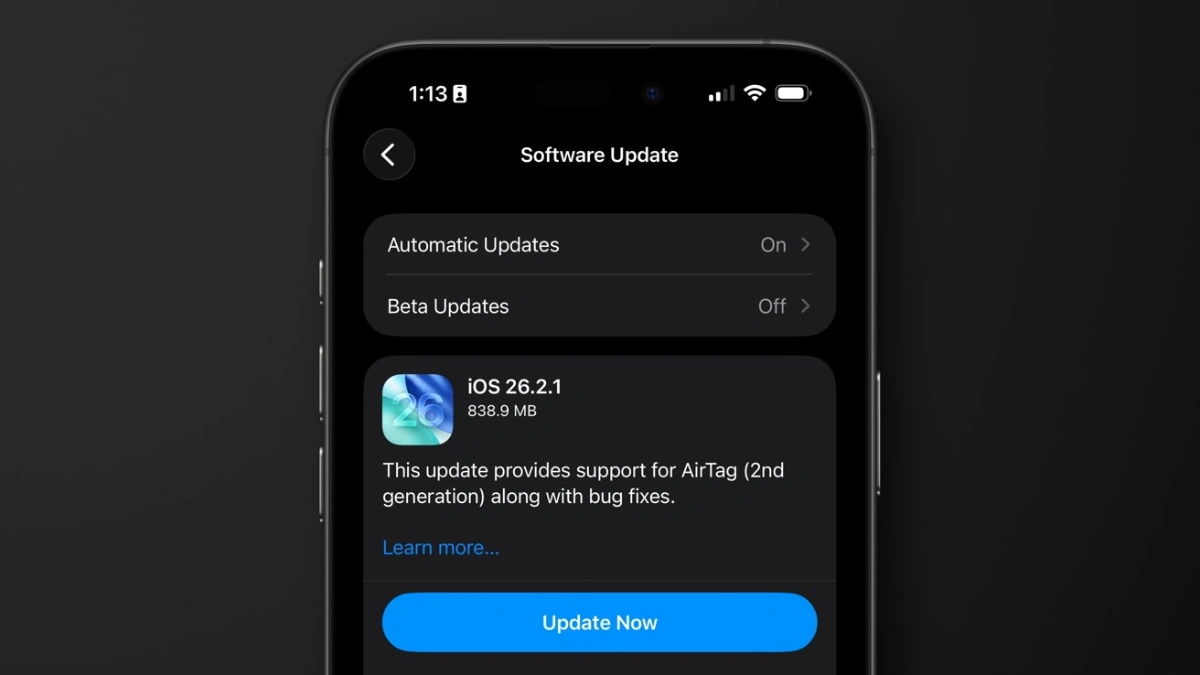
    Apple has just released iOS 26.2.1, a minor but important software update for iPhone users worldwide. While this version isn’t a major OS overhaul, it focuses on supporting the newly introduced AirTag 2 and includes additional bug fixes that can help improve the overall user experience on compatible devices.

    The main highlight of iOS 26.2.1 is that it adds official support for the second-generation AirTag, which Apple unveiled alongside the update. This new version of the Apple item-finding accessory brings enhanced precision tracking, longer Bluetooth range, and a louder speaker, making it easier to locate items like keys, bags, and luggage using the Find My network.

    According to Apple’s official support notes, the update is designed to ensure that AirTag 2 works fully on iPhones running iOS 26.2.1 or later, and it also delivers “bug fixes and improvements” to enhance device stability. While Apple has not published a detailed list of each fix, reports indicate that these changes improve performance and device compatibility for newer accessories.

    For iPhone users who already rely on Apple’s ecosystem for everyday convenience, installing iOS 26.2.1 can be particularly useful if you plan to use or already own an AirTag 2, as the update ensures this next-generation tracker works as intended on your device.

    What’s in the iOS 26.2.1 Update

    • AirTag 2 Support: Enables full functionality of the new AirTag, including improved Precision Finding and extended Bluetooth range.
    • Bug Fixes: General system improvements and performance refinements to make iPhone usage smoother.
    • Compatibility: The update is available over-the-air via Settings > General > Software Update on eligible iPhones.

    Source: This article is based on reports from MacRumors, Apple Support documentation, and global news coverage detailing the rollout of iOS 26.2.1 and the features it enables, especially support for the second-generation AirTag.

  • Maruti Suzuki Shatters Records in January 2026 — Highest Ever Monthly Sales & Exploding Exports!

    Maruti Suzuki Shatters Records in January 2026 — Highest Ever Monthly Sales & Exploding Exports!

    Maruti Suzuki India Limited has started 2026 on a powerful note, posting its highest-ever monthly sales for January 2026 and setting new benchmarks for both domestic deliveries and overseas shipments. This performance underscores the company’s market leadership and strong demand across key segments.

    Record Monthly Sales Performance

    In January 2026, Maruti Suzuki reported total sales of 236,963 vehicles, marking an 11.6% year-on-year increase compared to January 2025, when it sold 212,251 units. This figure stands as the company’s highest monthly sales volume in its history, signaling robust demand at the start of the year.

    Domestic Sales — Stable Demand

    Domestic sales remained strong, with 178,300 units sold during the month. This includes passenger vehicles and light commercial vehicles, reflecting buyer interest in both everyday cars and multi-purpose vehicles. Passenger vehicles alone accounted for 174,529 units, showing continued interest in Maruti Suzuki’s core models.

    Within the domestic market, utility vehicles such as the Brezza, Ertiga, Fronx, Grand Vitara, XL6, Jimny, and Invicto emerged as key growth drivers, collectively recording 75,609 units in January 2026. These models have become increasingly popular as Indian buyers shift toward SUVs and MPVs.

    Export Performance Hits All-Time High

    One of the most striking developments in January 2026 was Maruti Suzuki’s export performance. The company shipped 51,020 vehicles overseas, nearly doubling export volumes compared with January 2025. This 88% year-on-year surge marks an all-time monthly high for exports, highlighting India’s growing role as a global manufacturing and export hub for Suzuki-brand vehicles.

    Mini & Compact Segment Trends

    While overall sales soared, specific segments showed mixed trends. The combined mini and compact cars — including models like Baleno, Swift, Dzire, WagonR, and Celerio — recorded 87,006 units, slightly lower than last year, reflecting changing consumer preferences and increased focus on utility vehicles.

    Vans & Light Commercial Vehicles

    The Eeco van continued to deliver steady numbers with 11,914 units, while the Super Carry light commercial vehicle reported 3,771 units. These segments have contributed to Maruti Suzuki’s broad market footprint beyond passenger cars.

    Broader Industry Context

    Maruti Suzuki’s achievement comes amid a competitive automotive landscape, where other manufacturers have also reported strong sales in January 2026. For example, Hyundai Motor India posted its own record January figures, signaling healthy overall demand in the Indian car market.

    What This Means for Maruti Suzuki

    This performance highlights several key trends for India’s biggest carmaker:

    • Exceptional overall growth driven by exports.
    • Sustained domestic demand for SUVs and MPVs.
    • Transition in consumer preferences within compact and mini segments.

    With these results, Maruti Suzuki has reinforced its leadership in both domestic sales and global reach, starting 2026 with strong momentum and reaffirming its position as a dominant force in India’s automobile industry.

  • Samsung Galaxy F70 Series India Launch Confirmed, Price Expected Under ₹15,000

    Samsung Galaxy F70 Series India Launch Confirmed, Price Expected Under ₹15,000

    Samsung has officially confirmed the launch of its new Galaxy F70 series in India, with the first smartphone from this lineup set to be unveiled on February 2, 2026. This announcement marks Samsung’s effort to strengthen its presence in the budget to mid-range smartphone segment in the country.

    The Galaxy F70 series is teased to be camera-focused and designed for young users, combining capable hardware with features aimed at helping content creation and everyday photography. While Samsung has not yet revealed full specifications, the series is expected to offer competitive performance and enhanced camera features for its price range.

    One of the biggest highlights around the launch is the pricing. According to the announcement and retailer teasers, the first Galaxy F70 smartphone will be priced between ₹10,000 and ₹15,000 in India, making it an attractive option for budget-conscious buyers looking for a solid smartphone experience without spending much.

    The Galaxy F70 series will be available on Flipkart, similar to other Galaxy F devices, supporting a wide online reach across the country. More details about features, specifications, and exact pricing are expected to be revealed on the official launch day.

    What This Means for Buyers:

    • The Galaxy F70 series aims to compete with other popular budget smartphones from brands like Xiaomi, Realme, and Motorola in India’s fiercely competitive price segment.
    • With expected under-₹15,000 pricing and a camera-centric focus, Samsung could attract young buyers and social-media enthusiasts looking for value-for-money features without compromising on performance.
  • Apple iPhone 15 Sees Big Price Drop in India – Best Deals Revealed from Flipkart and More

    Apple iPhone 15 Sees Big Price Drop in India – Best Deals Revealed from Flipkart and More

    The Apple iPhone 15, originally launched at a premium price, has seen significant price reductions across various platforms recently, making it one of the most affordable ways to own a relatively modern iPhone.

    According to India Today Technology, the iPhone 15 is currently being offered at a massive discount on Flipkart, with the effective price dropping below ₹49,000 in India after combining the sale price with bank and exchange benefits. The device, which launched at around ₹79,900 last year, now sees an effective cost under ₹49,000 when customers trade in their old phone and apply bank offers.

    These price drops not only come from seasonal sales but also from ongoing promotions across e-commerce platforms such as Amazon and Flipkart. Historically, the iPhone 15 has been listed significantly lower than its launch price during major sales, with some offers bringing the smartphone down to under ₹40,000 with aggressive exchange and bank discount combinations. For example, The Times of India reported past deals where Flipkart offered the iPhone 15 at around ₹57,499, and with a trade-in discount, the effective price could be around ₹36,949.

    Retailers and online marketplaces regularly adjust prices of older iPhone models following the release of newer Apple products. With the launch of the iPhone 16 and iPhone 17 series, many resellers have slashed prices on previous generations like the iPhone 15 to clear inventory and attract budget-conscious buyers during special sales events. Discounts during Big Billion Days, Amazon Great Freedom Festival, and other sales events have historically seen the base iPhone 15 being offered at competitive rates, enhanced further with exchange and bank card offers.

    It’s worth noting that while Apple itself seldom cuts official prices drastically, third-party retailers and marketplaces are more aggressive with promotional pricing, especially in markets like India where festival and sale season deals are common. Shoppers looking for the best price should compare offers across platforms and factor in trade-in and bank cashback deals to maximize savings.

  • Apple iPhone 16 Price Slashed by ₹25,000 in India – New Deals, Offers and Specs Explained

    Apple iPhone 16 Price Slashed by ₹25,000 in India – New Deals, Offers and Specs Explained

    Apple’s popular iPhone 16 model has received a significant price cut in India, with discounts of up to ₹25,000 on Flipkart as part of ongoing sales and festive deals. This price reduction comes at a time when many buyers are waiting for a good opportunity to upgrade their smartphones without spending too much.

    Discount and Offers on Flipkart

    The Apple iPhone 16, originally launched in India with a price tag close to ₹89,900, is now available on Flipkart for approximately ₹64,900 after a flat discount of ₹25,000. In addition to this price cut, Flipkart is also offering extra savings with bank offers and exchange deals. For example, customers using credit cards from banks like ICICI Bank or Axis Bank can claim additional discounts when opting for EMI transactions. Moreover, trade-in offers allow buyers to exchange their old smartphone for even better savings on the new iPhone.

    Key Features and Specifications

    Despite the price reduction, the iPhone 16 retains its premium specifications, which continue to appeal to consumers looking for a high-end smartphone experience:

    • Display: A 6.1-inch Super Retina XDR OLED screen with HDR10 support and excellent brightness levels, providing rich colours and clarity for multimedia and everyday use.
    • Processor: The device is powered by Apple’s A16 Bionic chipset, a powerful system-on-chip (SoC) designed for smooth performance, fast app loading, and efficient multitasking.
    • Camera Setup: The phone includes a dual-camera system with a 48 MP primary sensor and a 12 MP ultrawide lens, along with a 12 MP front camera. These cameras handle everyday photography and videography with high detail and accuracy.

    These specifications offer a balanced combination of performance, camera quality, and reliable battery life, making the iPhone 16 a strong choice even after price drops.

  • Income Tax Slab in Budget 2026 Explained: Latest Rates, No Change Policy, and What It Means for Taxpayers

    Income Tax Slab in Budget 2026 Explained: Latest Rates, No Change Policy, and What It Means for Taxpayers

    In the Union Budget 2026–27, presented by Finance Minister Nirmala Sitharaman on February 1, 2026, one of the most anticipated announcements was the income tax slab structure for individual taxpayers. After real-time review of the latest budget updates from Indian Express and NDTV, it’s confirmed that there were no changes to the income tax slabs for the upcoming financial year. Despite expectations for relief or revisions, the government maintained the existing framework introduced in previous budget cycles to ensure stability and predictability for taxpayers.

    New Tax Regime Slabs for FY 2026–27 (Effective April 1, 2026)

    Under the new tax regime — which has become the default system for individuals — the slab rates and structure are as follows:

    • Income up to ₹4,00,000: Nil
    • ₹4,00,001 to ₹8,00,000: 5%
    • ₹8,00,001 to ₹12,00,000: 10%
    • ₹12,00,001 to ₹16,00,000: 15%
    • ₹16,00,001 to ₹20,00,000: 20%
    • ₹20,00,001 to ₹24,00,000: 25%
    • Above ₹24,00,000: 30%

    This slab system was introduced in the previous Budget cycle and has been retained without revision in 2026. The government’s decision to keep the slabs unchanged was confirmed by NDTV’s live coverage, which explicitly stated that there were no changes in income tax slab rates this year — a key point for taxpayers who were watching budget day announcements closely.

    What This Means for Taxpayers

    Even though the slab rates remain the same, many individuals effectively pay zero income tax up to about ₹12 lakh of annual taxable income. This is due to the Section 87A rebate of up to ₹60,000, combined with the standard deduction (₹75,000 for salaried taxpayers) under the new regime, allowing many middle-class taxpayers to be exempt from tax up to ₹12.75 lakh or more.

    In contrast, the old tax regime continues to exist as a separate option. Under that system, the basic exemption limit is lower and deductions are more extensive (such as Section 80C, home loan interest, etc.), but many taxpayers find the new regime simpler and more beneficial unless they have significant deductions planned.

    Key Takeaway

    For Budget 2026–27, the government chose to retain the existing income tax slab structure rather than introduce new rate cuts or changes. This decision was aimed at maintaining tax stability for individuals while focusing on broader fiscal goals and reforms.

    FAQs: Income Tax Slab in Budget 2026

    Q1. Has the income tax slab changed in Budget 2026?

    No, the Union Budget 2026–27 did not announce any changes to the income tax slab rates. Both the new tax regime and the old tax regime slabs remain the same as the previous financial year.

    Q2. What are the income tax slabs under the new tax regime in Budget 2026?

    Under the new tax regime for FY 2026–27, income up to ₹4 lakh is tax-free. Income between ₹4 lakh and ₹24 lakh is taxed at progressive rates ranging from 5% to 25%, while income above ₹24 lakh is taxed at 30%.

    Q3. Is the new tax regime still the default option in Budget 2026?

    Yes, the new tax regime continues to be the default income tax system. Taxpayers can opt out and choose the old tax regime if they wish while filing their income tax returns.

    Q4. Is income up to ₹12 lakh tax-free in Budget 2026?

    Effectively, yes. Due to the Section 87A rebate and standard deduction available under the new tax regime, individuals with taxable income up to around ₹12 lakh may not have to pay any income tax.

    Q5. Did Budget 2026 provide any income tax relief for the middle class?

    Budget 2026 did not provide direct relief through slab changes or tax rate cuts. However, the government focused on tax stability, simplified compliance, and procedural ease rather than reducing tax rates.

    Q6. What is the status of the old tax regime in Budget 2026?

    The old tax regime remains unchanged and continues to offer deductions and exemptions such as Section 80C, 80D, and home loan interest benefits. Taxpayers can choose it if it is more beneficial for them.

    Q7. When will the new Income Tax Act announced earlier come into effect?

    As per Budget announcements, the new simplified Income Tax Act is expected to come into force from April 1, 2026, aiming to make tax laws easier to understand and comply with.

    Q8. Should taxpayers expect changes in income tax slabs in the next budget?

    While no changes were announced in Budget 2026, future revisions will depend on economic conditions, revenue requirements, and government policy priorities.
  • Union Budget 2026–27 Highlights: Key Announcements Shaping India’s Economic Direction

    Union Budget 2026–27 Highlights: Key Announcements Shaping India’s Economic Direction

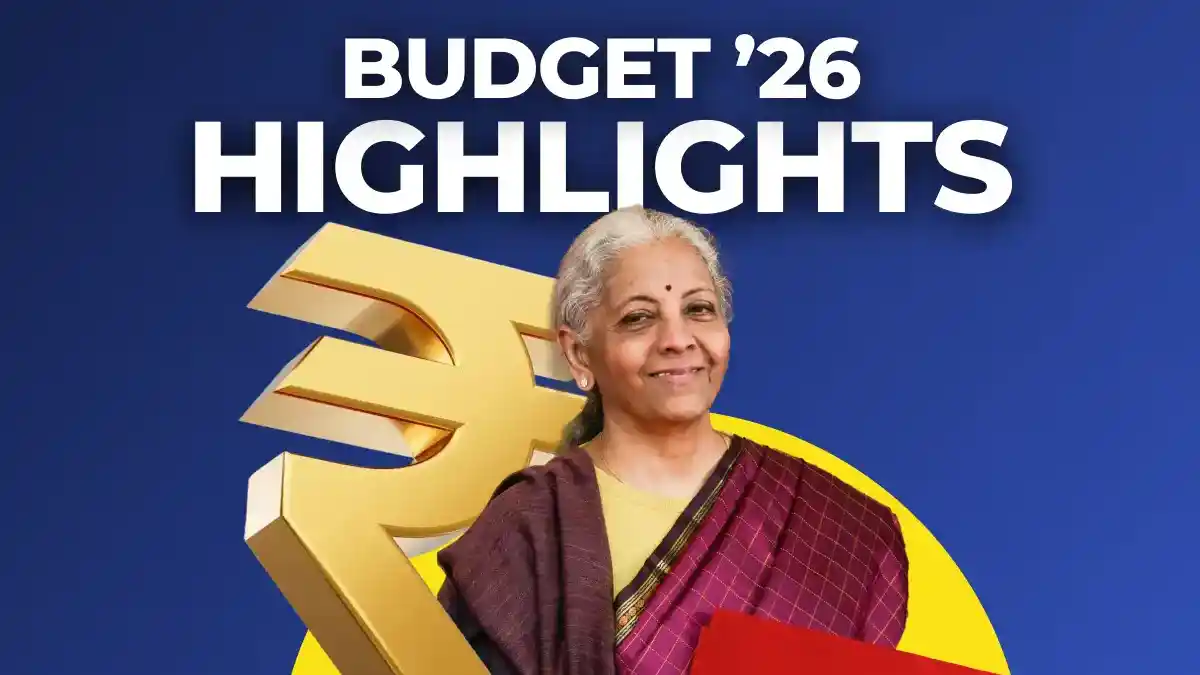
    India’s Finance Minister Nirmala Sitharaman presented the Union Budget 2026–27 in Parliament on 1 February 2026, unveiling a wide-ranging set of policies aimed at economic growth, infrastructure, taxation reforms, and sector-wise development. The Budget focuses on strategic investment, fiscal discipline, and long-term reforms to accelerate India’s domestic capabilities and global competitiveness. The following are the key highlights of the Union Budget 2026 from live coverage and reporting by multiple news sources.

    1. Record Capital Expenditure to Boost Growth

    The government announced a record capital expenditure allocation of ₹12.2 lakh crore for the fiscal year 2026–27, significantly higher than the previous year’s figure. This large capex aims to drive infrastructure development across transport, logistics, urban projects, and energy networks — reinforcing India’s investment-led growth strategy.

    Also Read: Sensex and Nifty Slide Sharply After Union Budget 2026: What Happened in the Stock Market

    2. Seven High-Speed Rail Corridors and Freight Networks

    One of the most eye-catching infrastructure announcements was the plan to build seven new high-speed rail corridors connecting key urban and economic hubs such as Mumbai–Pune, Pune–Hyderabad, and Delhi–Varanasi. In addition, a dedicated east-west freight corridor from Dankuni (West Bengal) to Surat (Gujarat) was proposed to strengthen goods movement.

    3. Support for Advanced Manufacturing and Technology

    The Budget unveiled the India Semiconductor Mission 2.0 with an outlay of ₹40,000 crore to deepen India’s semiconductor manufacturing ecosystem, promote research and training, and boost technology-led industry expansion. There was also a substantial push for rare-earth mineral corridors in states like Odisha, Kerala, Andhra Pradesh, and Tamil Nadu to secure critical raw materials for high-tech sectors.

    Also Read: Income Tax in Union Budget 2026: What Changed and What Stayed the Same

    4. Fiscal Discipline and Deficit Target

    The government reaffirmed its commitment to fiscal prudence, targeting a fiscal deficit of approximately 4.3 % of GDP for 2026–27 — slightly lower than the current fiscal year to maintain stability while expanding investment.

    5. Tax Reforms and Ease of Compliance

    The Budget proposed reforms including a simplified Income Tax Act coming into effect from April 2026, redesigned return filing processes, and extended timelines to ease compliance for taxpayers. Measures such as reducing Tax Collected at Source (TCS) on overseas travel and education remittances under the Liberalised Remittance Scheme were also introduced.

    Also Read: Budget 2026 Explained: Why This Is the Most Confident and Assured Phase of Modinomics Yet

    6. Agriculture and Rural Development

    The allocation for the agriculture sector was increased to ₹1.63 lakh crore to support high-value crops, allied activities, and modern agricultural practices designed to improve farmer incomes and rural employment.

    7. MSME, Textile, and Village Industry Boost

    Comprehensive support for Micro, Small & Medium Enterprises (MSMEs) was laid out, including growth funding and targeted programs for traditional industries like khadi, handloom, and silk — particularly in states like Uttar Pradesh — to spur employment and production growth.

    8. Defence and Strategic Sector Allocations

    The Budget allocated ₹7.85 lakh crore to the defence sector, prioritising modernization, procurement of advanced equipment, and strategic force enhancement. Capital outlay and pension obligations were also addressed to balance current and future defence requirements.

    9. Education, Healthcare, and Human Development

    Investments were announced for healthcare infrastructure, allied health workforce training, and education-to-employment initiatives. This includes establishing new hostels for girls, expanding skill development programs, and setting up content creator labs in schools and colleges for technology and creative sector education.

    10. Environment, Clean Energy, and Infrastructure Schemes

    The Budget introduced support for solar power, battery storage, and electric vehicles in key regions, plus customs duty reductions on solar inputs and related technologies to drive clean energy adoption and cost-effective renewable systems.

    Summary

    Union Budget 2026–27 prioritises infrastructure, technology-driven manufacturing, fiscal discipline, and structural reforms while extending targeted support to agriculture, MSMEs, and human capital development. By blending record public investment with tax compliance reforms and sector-specific initiatives, the Budget aims to strengthen India’s long-term economic trajectory and global competitiveness.