Category: News

  • Todo sobre las Olimpiadas de Invierno 2026: Sedes, nuevas disciplinas y fechas clave de Milano Cortina

    Todo sobre las Olimpiadas de Invierno 2026: Sedes, nuevas disciplinas y fechas clave de Milano Cortina

    El mundo se prepara una vez más para la magia de la nieve y el hielo. Los XXV Juegos Olímpicos de Invierno, conocidos oficialmente como Milano Cortina 2026, prometen ser un evento histórico. Por primera vez, los juegos se llevarán a cabo en dos grandes ciudades italianas y diversas regiones alpinas, bajo el lema de unos “Juegos para todos”.

    Fechas clave y sedes principales

    Los Juegos están programados para celebrarse del 6 al 22 de febrero de 2026. Posteriormente, los Juegos Paralímpicos de Invierno tendrán lugar del 6 al 15 de marzo de 2026.

    A diferencia de las sedes tradicionales de una sola ciudad, Milano Cortina 2026 distribuirá la emoción en más de 22,000 kilómetros cuadrados del norte de Italia:

    • Milán: El epicentro para el hockey sobre hielo, el patinaje artístico y el patinaje de velocidad en pista corta.
    • Cortina d’Ampezzo: La mítica sede del esquí alpino y el curling.
    • Val di Fiemme: El escenario para el esquí de fondo y los saltos de esquí.
    • Valtellina: Donde se desarrollarán las pruebas de esquí acrobático y snowboard.

    Debut histórico: Nuevos deportes

    La edición de 2026 trae aire fresco al programa invernal. Una de las incorporaciones más esperadas es el Esquí de Montaña (Skimo), que hace su debut olímpico. Este exigente deporte implica subir montañas con esquís y luego descender rápidamente.

    Además, veremos:

    • Baches en paralelo (Dual Moguls) en esquí acrobático como evento de medalla completa.
    • Trampolín grande femenino individual en saltos de esquí.
    • Más eventos de equipos mixtos para promover la igualdad de género.

    Una visión sostenible

    Siguiendo la “Agenda Olímpica 2020” del COI, Milano Cortina 2026 se centra fuertemente en la sostenibilidad. Más del 90% de las sedes son estructuras ya existentes o temporales. Por ejemplo, el legendario Estadio San Siro en Milán albergará la Ceremonia de Apertura, mientras que la clausura será en la histórica Arena de Verona, un anfiteatro romano.

    Atletas a seguir

    A medida que avanzan las clasificaciones, estos nombres ya suenan con fuerza:

    • Mikaela Shiffrin (EE. UU.): Buscando consolidar aún más su legado en el esquí alpino.
    • Johannes Høsflot Klæbo (Noruega): El rey de la velocidad en esquí de fondo.
    • Sofia Goggia (Italia): La heroína local que aspira al oro en sus propias pistas en Cortina.

    Datos rápidos: Milano Cortina 2026

    ConceptoDetalle
    MascotasTina y Milo (Dos armiños hermanos muy carismáticos)
    Lema“Dreaming Together” (Soñando juntos)
    ParticipantesAprox. 2,900 atletas de más de 90 naciones
    Eventos116 eventos de medalla en 8 deportes

    Los Juegos Olímpicos de Invierno 2026 no se tratan solo de medallas; son una celebración de la cultura italiana, paisajes impresionantes y el inquebrantable espíritu humano.
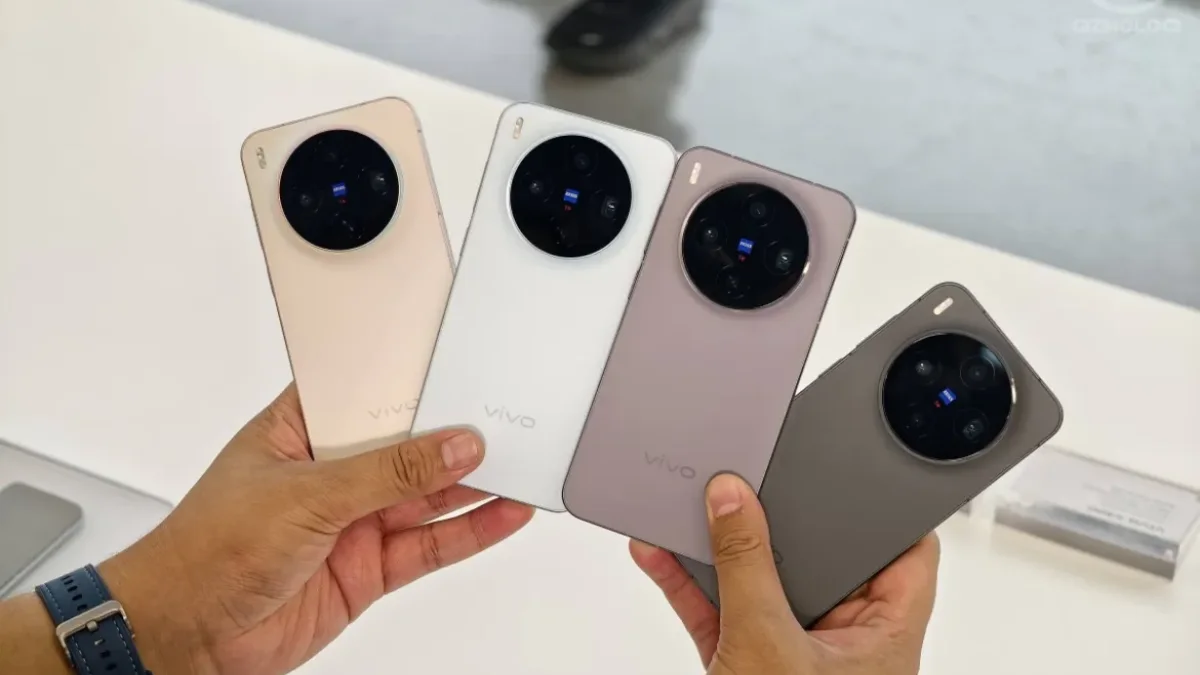

  • New Vivo X300 Series Member Spotted! Vivo X300e Surface Online; Here’s What We Know

    New Vivo X300 Series Member Spotted! Vivo X300e Surface Online; Here’s What We Know

    The Vivo X300 series, which already includes some of the most powerful imaging flagships of the year, is reportedly getting a new member. While fans have been eagerly awaiting news on the “Ultra” model, a new leak suggests that a different variant, the Vivo X300e, is currently in the works.

    According to a recent report by GSMArena, the Vivo X300e has been spotted in the GSMA IMEI database. This discovery hints that Vivo is looking to diversify its flagship lineup even further.

    What We Know So Far

    While the IMEI listing confirms the moniker and existence of the device, it remains tight-lipped regarding specific technical specifications. However, this appearance is significant for a few reasons:

    • A New ‘e’ Variant: This marks the first time Vivo has used the ‘e’ suffix for its flagship X-series. Previously, the company has experimented with ‘FE’ (Fan Edition) models and the more recent ‘T’ variant seen with the Vivo X200T.+1
    • Strategic Expansion: The introduction of an ‘e’ model usually suggests a “Lite” or more affordable version of the flagship, aimed at bringing premium features to a slightly lower price point.
    • Alongside the X Fold6: Interestingly, the Vivo X300e was spotted alongside the upcoming Vivo X Fold6, suggesting that both devices might be part of Vivo’s mid-2026 release cycle.

    Context: The Current X300 Family

    To understand where the X300e might fit, it’s important to look at the current powerhouses in the series:

    FeatureVivo X300 (Standard)Vivo X300 Pro
    Display6.31-inch LTPO AMOLED6.78-inch LTPO AMOLED
    ChipsetMediaTek Dimensity 9500MediaTek Dimensity 9500
    Main Camera200MP Zeiss Optics50MP Main + 200MP Periscope
    Battery6,040mAh (90W Charging)6,510mAh (90W Charging)

    If the X300e follows the typical “e” or “Lite” philosophy, we might see a slight downgrade in the chipset (perhaps a Dimensity 8000 series or a sub-flagship Snapdragon) or a more modest camera setup compared to the massive 200MP sensors found on its siblings.

    Launch Window and Global Availability

    The Vivo X300e is expected to debut sometime in Q2 2026 (between April and June), possibly alongside the Vivo X Fold6. Given Vivo’s recent push for global expansion and its high-profile sponsorship of international sporting events, there is a strong possibility that the X300e will see a release outside of China.

    For now, the Vivo X300 series remains a favorite for photography enthusiasts. The addition of a more accessible “e” variant could be exactly what Vivo needs to dominate the competitive mid-flagship market.

    Pro Tip: Keep an eye on certification sites over the next few weeks; usually, once a phone hits the IMEI database, battery and charging certifications follow quickly!

    Source

  • Redmi Note 15 Pro and Note 15 Pro+ Go on Sale Today: Get ₹3,000 Instant Discount on the First Day!

    Redmi Note 15 Pro and Note 15 Pro+ Go on Sale Today: Get ₹3,000 Instant Discount on the First Day!

    Xiaomi’s highly anticipated Redmi Note 15 Pro Series is finally hitting the shelves in India today, February 4th. Launched just a few days ago, the series features two power-packed models: the Redmi Note 15 Pro and the Redmi Note 15 Pro Plus.

    To celebrate the first sale, Redmi has introduced an aggressive launch offer, providing a flat ₹3,000 bank discount right from day one. With flagship-grade 200MP cameras and up to 100W fast charging, these devices are set to dominate the mid-premium segment.

    Redmi Note 15 Pro: Price and Sale Offers

    The standard Pro model comes in two storage variants. The bank offer makes the 256GB variant particularly attractive, as its effective price drops below the original launch price of the base model.

    VariantLaunch PriceBank DiscountEffective Price
    8GB + 128GB₹29,999₹3,000₹26,999
    8GB + 256GB₹31,999₹3,000₹28,999
    Redmi Note 15 Pro Series - Silver Ash, Mirage Blue, and Carbon Black.
    Redmi Note 15 Pro Series – Silver Ash, Mirage Blue, and Carbon Black.

    Colors: Silver Ash, Mirage Blue, and Carbon Black.

    Redmi Note 15 Pro+: Premium Specs, Heavy Savings

    The ‘Pro Plus’ variant is for those who want maximum performance and storage. It is available in three configurations:

    VariantLaunch PriceBank DiscountEffective Price
    8GB + 256GB₹37,999₹3,000₹34,999
    12GB + 256GB₹39,999₹3,000₹36,999
    12GB + 512GB₹43,999₹3,000₹40,999

    Colors: Coffee Mocha, Mirage Blue, and Carbon Black.

    How to Avail the ₹3,000 Discount

    The instant discount is a bank-specific offer. Customers can avail of this benefit using:

    • SBI, ICICI, or HDFC Bank Credit Cards.
    • Availability: The offer is valid on the official Mi website, Amazon India, and authorized offline retail stores across the country.

    Key Specifications at a Glance

    • Display: Both phones feature a 6.83-inch 1.5K CrystalRes AMOLED panel with a 120Hz refresh rate and a massive 3200nits peak brightness. The Note 15 Pro has a Flat screen, while the Pro+ boasts a premium Quad Curve display.
    • Performance: * Note 15 Pro: Powered by the MediaTek Dimensity 7400-Ultra (2.6GHz).
      • Note 15 Pro+: Equipped with the Snapdragon 7s Gen 4 (2.7GHz).
    • Camera: Both devices sport a 200MP Main Camera with OIS and 4x in-sensor zoom. For selfies, the Pro has a 20MP lens, while the Pro+ offers a 32MP sensor.
    • Battery & Charging: * Note 15 Pro: 6580mAh battery with 45W charging.
      • Note 15 Pro+: 6500mAh battery with blazing fast 100W HyperCharge.
    • Protection: Both come with Corning Gorilla Glass Victus 2 and an in-display fingerprint sensor.
  • Oppo Find X10 Pro Max Leak: The World’s First 2nm Smartphone Chipset is Coming!

    Oppo Find X10 Pro Max Leak: The World’s First 2nm Smartphone Chipset is Coming!

    Based on the latest leaks from industry insiders like Digital Chat Station, the Oppo Find X10 Pro Max is shaping up to be the most ambitious smartphone in Oppo’s history. This new “Pro Max” branding signals Oppo’s intent to compete directly with the highest-tier flagships from Apple and Samsung.

    Here is everything we know so far about the Oppo Find X10 Pro Max:

    The Ultimate Flagship: Oppo Find X10 Pro Max Details

    1. Revolutionary 2nm Architecture

    The standout feature of the Find X10 Pro Max is its processor. While most 2025 flagships use 3nm technology, the Pro Max is reportedly being tested with the MediaTek Dimensity 9600 series, which is expected to be built on a cutting-edge 2nm process.

    • Why it matters: A 2nm chip allows for significantly more transistors in a smaller space, leading to a massive jump in processing speed and much lower power consumption compared to current models.

    2. New “Pro Max” Branding

    For the first time, Oppo is moving beyond the “Pro” and “Ultra” labels to introduce the Pro Max moniker. This model is expected to bridge the gap between the professional-grade photography of the Ultra and the high-performance daily use of the Pro model, likely offering a larger display and a more robust battery system.

    3. Display and Design

    While specific design renders are still under wraps, the Pro Max is rumored to feature:

    • Screen: A massive 6.8-inch or 6.9-inch 2K LTPO AMOLED curved display.
    • Brightness: Peak brightness levels that could cross 5000 nits for superior outdoor visibility.
    • Build: A premium titanium or high-grade ceramic frame to handle the heat dissipation from the 2nm chipset.

    4. Professional-Grade Cameras

    Oppo is expected to continue its partnership with Hasselblad. The Pro Max will likely house:

    • A 50MP Primary sensor (possibly the next-gen 1-inch Sony sensor).
    • Dual-Periscope Telephoto lenses for extreme zoom capabilities without losing detail.
    • Advanced AI-driven image processing enabled by the NPU within the Dimensity 9600.

    5. Battery and Charging

    To support the high-performance hardware, the Pro Max is tipped to include:

    • Battery: A 6,000mAh to 6,500mAh high-density silicon-carbon battery.
    • Charging: At least 100W SuperVOOC wired charging and 50W AirVOOC wireless charging.

    Comparison: Find X10 Pro vs. Find X10 Pro Max

    FeatureOppo Find X10 ProOppo Find X10 Pro Max
    ChipsetDimensity 9600 (2nm)Dimensity 9600 (Optimized 2nm)
    Display Size6.7-inch6.9-inch
    Battery~5,500mAh~6,500mAh
    FocusPerformance & DesignUltimate Productivity & Media

    Expected Launch

    The Oppo Find X10 Pro Max is expected to debut alongside the standard Find X10 series in October 2026 in China, with a global rollout following shortly after.

  • Oppo Find X10 Series Leak: Dimensity 9600 and 2nm Chipset Tipped to Power New Flagships

    Oppo Find X10 Series Leak: Dimensity 9600 and 2nm Chipset Tipped to Power New Flagships

    The Oppo Find X9 series has only been on the market for a few months, but the tech world is already buzzing with leaks about its successor. Renowned tipster Digital Chat Station (DCS) has shared groundbreaking details on the upcoming Oppo Find X10 series, revealing a massive leap in processing power and a new high-end lineup strategy.

    Three Models Confirmed in Testing

    According to the latest leaks on micro-blogging platforms, Oppo is currently testing three distinct models under the Find X10 banner:

    1. Oppo Find X10 (Base Model)
    2. Oppo Find X10 Pro
    3. Oppo Find X10 Pro Max

    The addition of a “Pro Max” variant suggests that Oppo is aiming to directly challenge the top-tier offerings from Apple and Samsung by providing an even more premium experience in its flagship category.

    Performance Revolution: The 2nm Chipset Era

    The most significant upgrade in the Find X10 series lies under the hood. Oppo is reportedly collaborating closely with MediaTek to integrate next-generation silicon.

    • Oppo Find X10: This model is being tested with the MediaTek Dimensity 9500 Plus, a high-performance chip built on a refined 3nm process.
    • Find X10 Pro & Pro Max: These premium variants are expected to debut with the revolutionary Dimensity 9600 series. Rumors suggest this chipset will be based on the advanced 2nm process, offering a massive jump in energy efficiency and raw processing speed.

    The Ultra Model: Snapdragon Powerhouse

    Following its traditional release pattern, Oppo plans to launch the Find X10 Ultra a few months after the initial series launch. While the X10 and Pro models lean toward MediaTek, the Ultra variant is tipped to feature Qualcomm’s Snapdragon 8 Elite Gen 6 Pro chipset, maintaining its status as the ultimate “Ultra” flagship.

    Launch Timeline: What to Expect?

    Based on early supply chain reports, the launch cycle for the next generation looks promising:

    EventExpected Timeline
    China Launch (X10 Series)Around October 2026
    Oppo Find X10 Ultra LaunchEarly 2027
    Oppo Find X9 Ultra / N6 FoldMarch 2026 (Upcoming)

    Immediate Focus: March 2026 Launches

    Before we get to the X10 series, Oppo has a major event lined up for March 2026. The company is expected to unveil the Oppo Find X9 Ultra, Find X9s Pro, and the Find N6 foldable in China. Notably, the Find X9 Ultra is slated to carry the Snapdragon 8 Elite Gen 5, while the X9s Pro might feature the Dimensity 9500.

    Disclaimer: These details are based on early leaks and prototype testing phases. While the source is highly reliable, official specifications may change before the final announcement.

    The Oppo Find X10 series is shaping up to be a performance juggernaut. With the potential introduction of 2nm technology, it could set a new standard for Android flagships in late 2026.

  • Xiaomi 17 and Xiaomi 17 Ultra Set for India Launch in March; Pro Models Likely to be Skipped

    Xiaomi 17 and Xiaomi 17 Ultra Set for India Launch in March; Pro Models Likely to be Skipped

    Xiaomi is gearing up to redefine the premium smartphone landscape in India. Following its successful stint in China, the much-anticipated Xiaomi 17 Series is expected to make its grand debut in the Indian market by early March 2026.

    However, in a strategic move that might surprise many, the brand is reportedly streamlining its lineup for international markets. While the series is massive in China, Indian consumers might only see the standard and the top-tier models.

    The Big Shift: No ‘Pro’ Models for India?

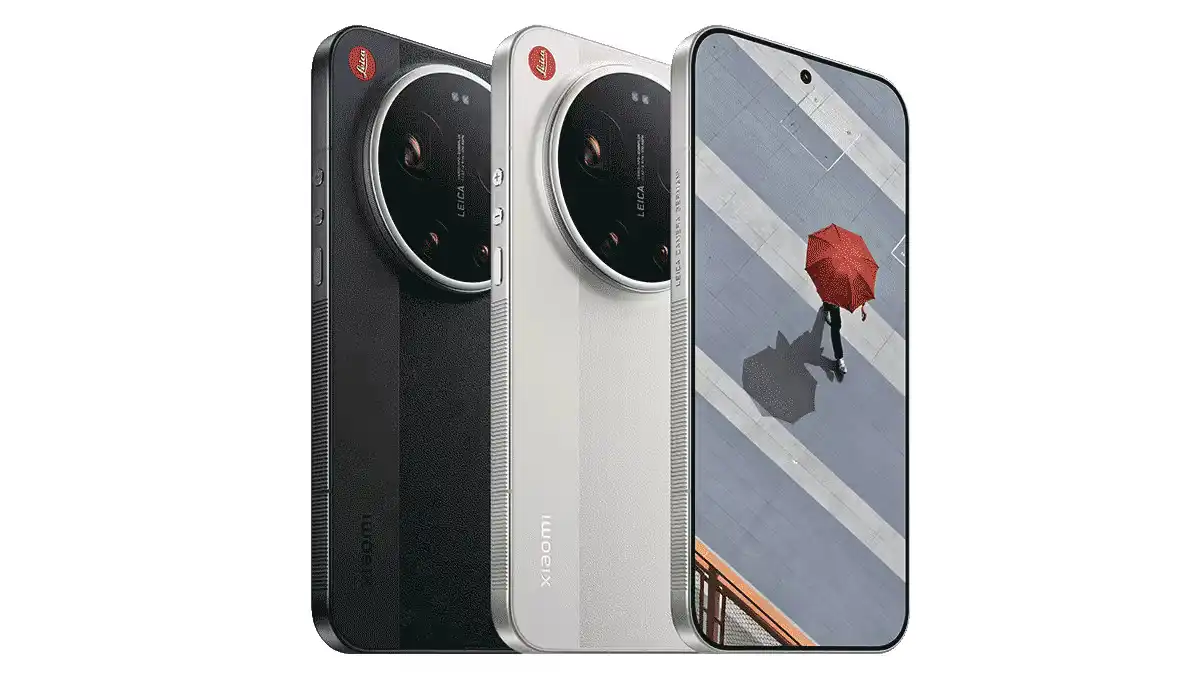
    According to top industry insiders and leaked supply chain reports, Xiaomi plans to launch only the Xiaomi 17 and the photography-beast Xiaomi 17 Ultra in India. The Xiaomi 17 Pro variant is expected to remain exclusive to the Chinese market this year.

    This decision suggests that Xiaomi wants to maintain a clear distinction between its “compact flagship” and its “ultimate ultra-premium” offering, avoiding the mid-segment overlap that often occurs with Pro models.

    Xiaomi 17 Ultra: The Ultimate Imaging Powerhouse

    The spotlight is undoubtedly on the Xiaomi 17 Ultra. Designed for professional-grade mobile photography, this device is expected to feature a breakthrough camera system co-engineered with Leica.

    • Processor: Driven by the cutting-edge Snapdragon 8 Elite Gen 5 chipset.
    • Camera Revolution: A triple 50MP+ system, headlined by a 1-inch main sensor and a massive 200MP Periscope Telephoto lens for unparalleled zoom clarity.
    • Display: A stunning 6.9-inch 1.5K LTPO AMOLED panel with a 120Hz adaptive refresh rate.
    • Battery: A robust 6,800mAh battery supported by 90W hyper-charging.

    Xiaomi 17: The Compact Beast

    For those who prefer a hand-friendly design without compromising on power, the standard Xiaomi 17 is set to be a game-changer.

    • Display: A crisp 6.3-inch 1.5K OLED display.
    • Surprise Battery: Despite its smaller size, it is rumored to house a high-density 7,000mAh battery, setting a new benchmark for compact flagships.
    • Camera: A versatile 50MP triple camera setup optimized for natural skin tones and vibrant colors.

    Launch Timeline and Expected Pricing

    While official confirmation is awaited, the global announcement is expected at the sidelines of a major tech event in late February, followed by the India launch in March 2026.

    ModelExpected Starting Price (India)
    Xiaomi 17₹55,000 – ₹62,000
    Xiaomi 17 Ultra₹1,15,000 – ₹1,25,000

    Pro Insight: The Xiaomi 17 Ultra is positioned to compete directly with the Samsung Galaxy S26 Ultra and the iPhone 17 Pro Max, focusing heavily on its superior optical hardware.

    With these two powerhouses, Xiaomi is looking to dominate both the “affordable flagship” and “luxury flagship” segments in India.

  • “Is That Really an Avante?” The Hyundai Avante CN8 Rear Design is Crossing into Luxury Territory

    “Is That Really an Avante?” The Hyundai Avante CN8 Rear Design is Crossing into Luxury Territory

    When we think of a “compact sedan,” we usually imagine something practical, modest, and safe. But the moment you lay eyes on the all-new Hyundai Avante CN8 (Elantra), that label feels completely out of place.

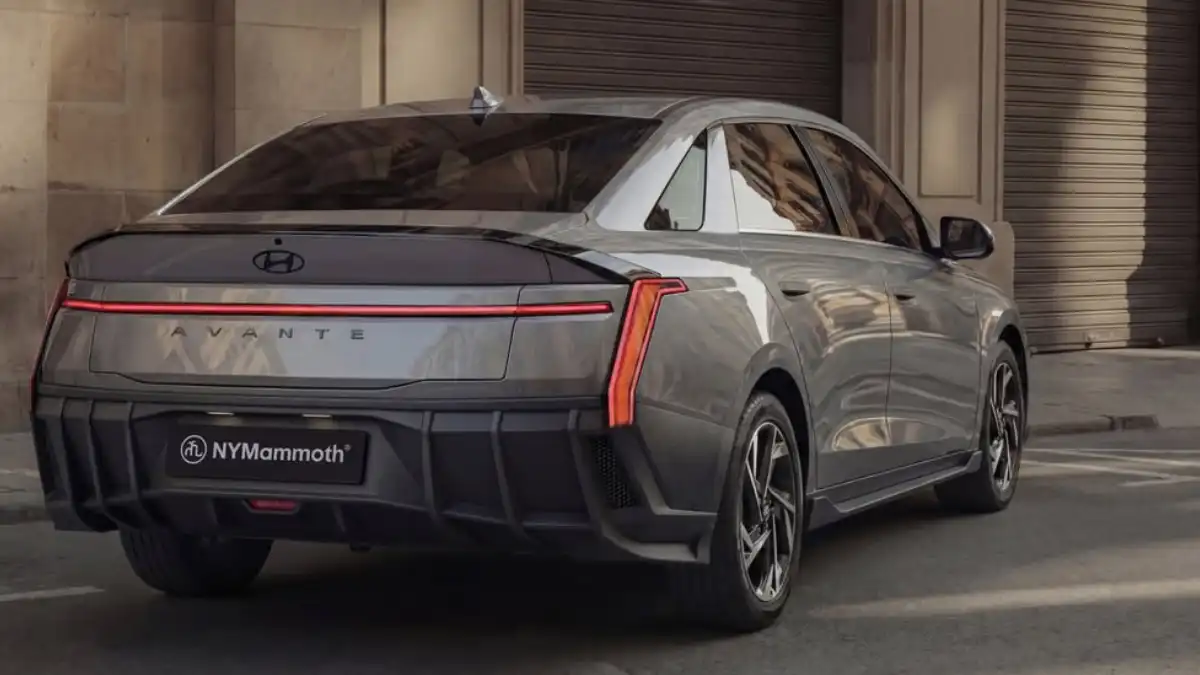
    The latest renders and spy shots of the CN8 full redesign—particularly the rear view—suggest that Hyundai isn’t just updating a car; they are redefining the entire segment. This isn’t a mere generational update; it’s a total takeover of the luxury sedan aesthetic.

    The Rear View: Where the Magic Happens

    If the front of a car is its face, the rear is its closing statement. And the Avante CN8’s statement is loud and clear. Here is why the rear design is the talk of the automotive world:

    • Traditional Proportions, Modern Twist: Hyundai has reinterpreted the classic sedan silhouette. The roofline flows seamlessly into the trunk, creating a sleek, coupe-like profile that mimics high-end grand tourers.
    • The “Low and Wide” Stance: By utilizing a horizontal light bar that spans the entire width of the car, complemented by sharp vertical accents, the CN8 looks lower to the ground and significantly wider. This gives it a planted, aggressive stance usually reserved for sports sedans.
    • N-Inspired Aggression: You don’t need to buy the high-performance ‘N’ model to feel the heat. Even the base design carries the “N DNA,” featuring a sharp rear diffuser and aerodynamic lines that scream performance.

    Heritage Meets Future: The N Vision 74 Influence

    The design isn’t just random; it’s deeply rooted in Hyundai’s recent “Newtro” (New + Retro) philosophy.

    Hyundai Avante (Elantra) CN8: Expected Features at a Glance

    FeatureDescription
    Design Language“Parametric Dynamics” with N Vision 74 influence
    LightingFull-width LED ‘H-Tail Lamp’ with vertical elements
    InteriorPanoramic Dual 12.3-inch screens & Pleos Connect system
    Powertrain1.6L Petrol, Hybrid, and a rumored 2.5L Turbo for the N model
    Global DebutExpected Late 2026 (as a 2027 Model)

    Breaking the “Compact” Ceiling

    With the CN8, the Avante is officially “punching up.” It touches the territory of its older sibling, the Sonata, and even challenges entry-level luxury brands in terms of visual impact.

    By prioritizing a “Low and Wide” design and integrating high-performance aesthetics into the standard trim, Hyundai is betting that the modern driver wants more than just a commute—they want a design icon.

    The big question remains: When this hits the streets next year, will people even realize they are looking at an Avante, or will they mistake it for something far more expensive?

  • The Legend Returns: 9th Gen Hyundai Sonata Confirmed with ‘N Vision 74’ DNA and Game-Changing EREV Tech!

    The Legend Returns: 9th Gen Hyundai Sonata Confirmed with ‘N Vision 74’ DNA and Game-Changing EREV Tech!

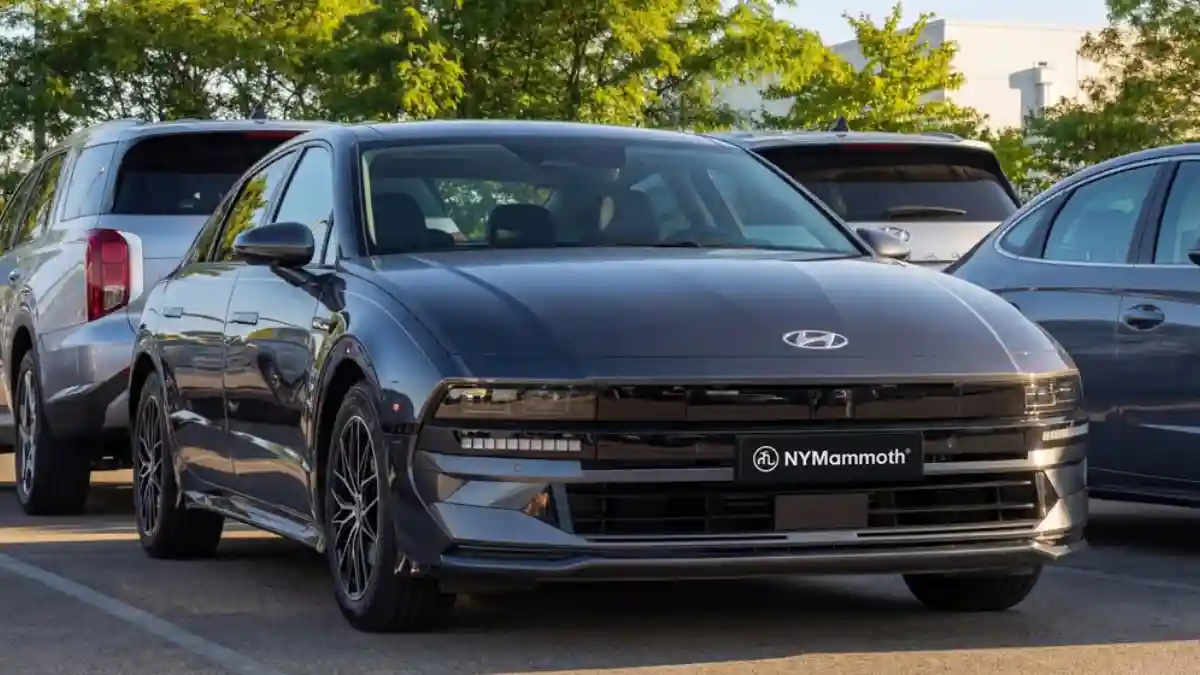
    In an era dominated by SUVs, Hyundai is making a bold statement: the sedan is striking back. Hyundai has officially confirmed the development of the 9th Generation Sonata, and it’s not just a simple refresh. This upcoming masterpiece is set to redefine the “Newtro” (New + Retro) aesthetic, blending the iconic heritage of the 1st-gen Sonata with the futuristic edge of the N Vision 74.

    Here is everything we know about the 9th-gen Sonata that is already sending shockwaves through the automotive world.

    Design: Where Heritage Meets the Future

    The 9th-gen Sonata is moving away from the “curvy” look of recent years and embracing a sharper, more aggressive silhouette.

    • Retro DNA: Design renders suggest the car will take inspiration from the 1st Generation Sonata’s bold, angular lines. It’s a nod to the past that feels incredibly modern.
    • N Vision 74 Influence: Expect the sharp, wedge-like design language seen in the award-winning N Vision 74 concept to bleed into the Sonata’s new bodywork.
    • Pixel Lamp Signature: Hyundai will integrate its iconic Seamless Horizon ‘Pixel Lamps’, giving the car a digital, high-tech identity that stands out in the dark.

    Powertrain Revolution: The Rise of EREV

    Perhaps the biggest news isn’t the design, but what’s under the hood. Hyundai is looking beyond traditional engines and standard hybrids.

    • EREV (Extended Range Electric Vehicle): Rumors are swirling that the 9th-gen Sonata could feature EREV technology. Unlike a standard hybrid, an EREV uses a small gasoline engine solely as a generator to charge the battery, offering a pure electric driving feel with a total range that could exceed 1,000 km.
    • High-Efficiency Hybrids: For those not ready for the EREV jump, a next-gen high-efficiency hybrid system will remain a core part of the lineup, focusing on record-breaking fuel economy.

    Interior: A Digital Mobility Icon

    Inside, the Sonata is evolving from a “family car” to a “mobility hub.”

    • Next-Gen Infotainment: Expect a massive curved display running Hyundai’s latest ccNC (connected car Navigation Cockpit) software.
    • Eco-Friendly Luxury: The cabin will likely feature sustainable materials, recycled plastics, and vegan leather, aligning with Hyundai’s carbon-neutral goals.

    9th Gen Hyundai Sonata: What to Expect

    FeatureDetails (Expected)
    Design Language‘Newtro’ – Blend of 1st Gen & N Vision 74
    LightingSignature Parametric Pixel LED Lamps
    New Engine TechEREV (Extended Range EV) & Gen-2 Hybrids
    Range (EREV)Potentially over 1,000 km per charge/tank
    PlatformAdvanced Third-Gen Platform (Optimized for EV/EREV)
    Target AudienceDesign-conscious buyers & Tech enthusiasts

    Why This Matters: The ‘Sedan Strike Back’

    For years, the Sonata was seen as a “safe, sensible choice.” With the 9th generation, Hyundai is transforming it into a design icon. By combining nostalgia (Heritage) with cutting-edge tech (EREV), Hyundai is proving that the sedan can be just as exciting, if not more so, than any SUV on the market.

    Launch Timeline: While official dates are still under wraps, the 9th-gen Sonata is expected to make its global debut in late 2026, with a market launch following in 2027.

    What do you think about Hyundai’s new ‘Newtro’ direction? Is the angular, pixel-heavy design the right move for the Sonata? Let us know your thoughts!

  • 3rd-Gen Hyundai Creta Leaks: Bold Nexo-Inspired Design and Hybrid Power Tipped for 2027 Launch!

    3rd-Gen Hyundai Creta Leaks: Bold Nexo-Inspired Design and Hybrid Power Tipped for 2027 Launch!

    The undisputed “King of SUVs” is preparing for its next big evolution. While the current second-gen facelift continues to dominate Indian roads, the first-ever spy shots of the third-generation Hyundai Creta have surfaced online in February 2026.

    Based on these sightings, digital artists have created stunning renders that suggest a radical design reset for the mid-size SUV. Here is your first look at what to expect from the 2027 Hyundai Creta.

    Design: A Futuristic ‘Nexo’ Style Makeover

    The latest renders show a significant departure from the current “boxy yet curvy” look. The 3rd-gen Creta appears to draw heavy inspiration from the Hyundai Nexo and the global Palisade.

    • Front Fascia: The traditional large grille is replaced by a cleaner, more upright face featuring pixel-style LED lighting. A sleek, full-width LED DRL bar sits high on the hood, with quad-beam LED headlamps positioned lower on the bumper.+1
    • Side Profile: The SUV looks noticeably larger and more muscular. It features flush-type door handles, chunky 18-inch (or potentially 19-inch) alloy wheels, and a more pronounced roof spoiler.
    • Rear Look: Expect a tech-forward rear with connected LED tail lamps that mirror the pixelated signature seen on the front.

    Platform and Safety: The Move to K3

    The 3rd-gen Creta is expected to migrate to the new K3 platform, which also underpins the next-gen Kia Seltos.

    • Bigger Dimensions: This shift will likely result in a longer wheelbase and more interior space, especially in the second row.
    • Safety First: With a stronger chassis, Hyundai is reportedly aiming for a 5-star safety rating (BNCAP/GNCAP). Level 2 ADAS will likely be standard across higher variants.

    The Game Changer: Hybrid Power

    For the first time, the Creta is expected to go green without going fully electric.

    • Strong Hybrid Engine: Alongside the tried-and-tested 1.5L petrol and diesel engines, Hyundai is tipped to introduce a 1.5L strong hybrid powertrain. This could offer a staggering mileage of 25–30 kmpl, making it a nightmare for its rivals.
    • Existing Options: The 160hp 1.5L Turbo-petrol and the 115hp Diesel will continue to cater to enthusiasts and long-distance drivers.

    Quick Look: Expected Specifications

    FeatureDetails (Expected)
    PlatformNew K3 Platform (Shared with Seltos)
    Design LanguageNexo-inspired Futuristic Pixel Design
    Engine Options1.5L Petrol, 1.5L Diesel, 1.5L Turbo & New Strong Hybrid
    Transmission6MT, IVT, 6AT, and 7-speed DCT
    Key FeaturesDual 12.3-inch Screens, Panoramic Sunroof, Level 2 ADAS
    Estimated LaunchEarly 2027 (Unveil in Late 2026)

    Launch Timeline and Pricing

    While the test mules have just started appearing in South Korea, the 3rd-gen Hyundai Creta is expected to make its global debut in the second half of 2026.

    • India Launch: Likely between January and March 2027.
    • Expected Price: Due to the hybrid tech and premium features, the price could range between ₹12.50 lakh and ₹25 lakh (ex-showroom).
  • Nothing Phone (4a) and (4a) Pro Alert: Launch Date Tipped for Next Month; No Flagship Phone 4 in 2026!

    Nothing Phone (4a) and (4a) Pro Alert: Launch Date Tipped for Next Month; No Flagship Phone 4 in 2026!

    Nothing fans, mark your calendars! After months of speculation, fresh leaks suggest that Nothing is skipping a flagship launch this year to focus entirely on its “evolutionary” mid-range series. The Nothing Phone (4a) and Nothing Phone (4a) Pro are reportedly set to make their global debut as early as March 5, 2026.

    CEO Carl Pei recently confirmed that the brand is “doubling down” on the A-series to provide a closer-to-flagship experience at a mid-range price point. Here is everything we know about the upcoming devices.

    Design and Durability: A Fresh Evolution

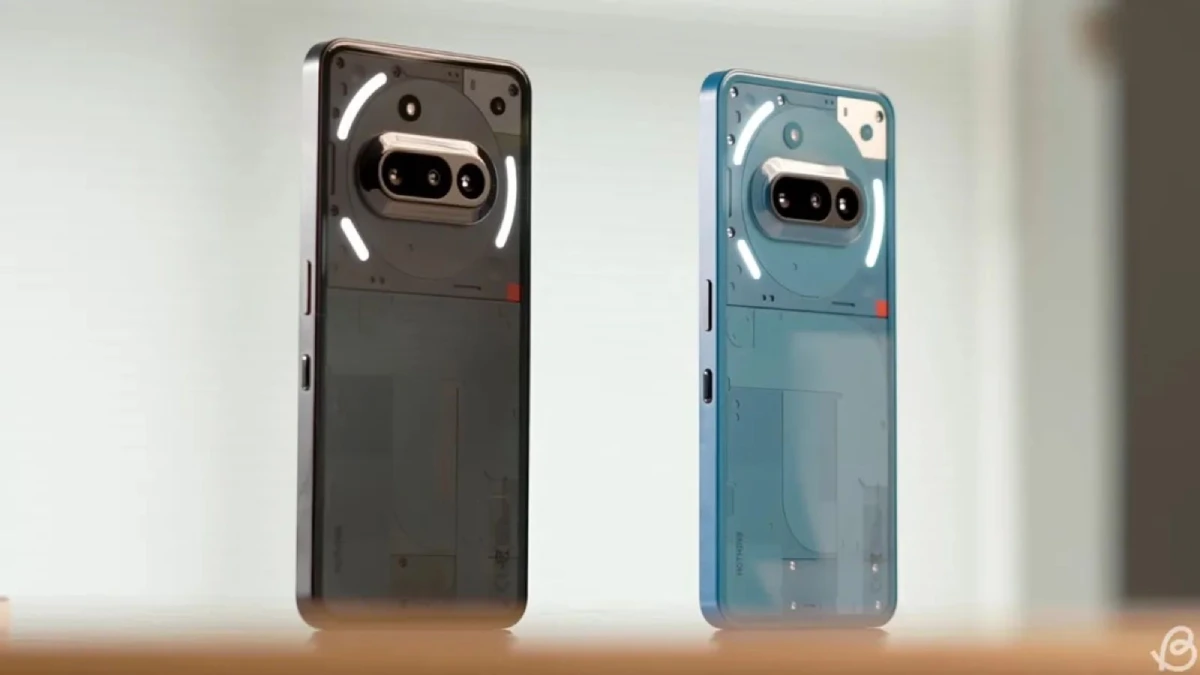
    While Nothing will maintain its signature transparent aesthetic and Glyph interface, the Phone (4a) series is expected to undergo a “material refresh.”

    • New Look: Rumors point to a more mature design language with experimentation in new colors, including a rumored Pink variant alongside the classic Black and White.
    • Tougher Build: The Phone (4a) Pro has been spotted in certification listings with an IP65 rating, offering better resistance against dust and water than its predecessors.

    Performance: The Big Storage Upgrade

    One of the most significant “under the hood” changes confirmed by Nothing is the shift to UFS 3.1 storage. This upgrade from the older UFS 2.2 will result in much faster app opening speeds and smoother overall performance.

    • Pro Power: The Nothing Phone (4a) Pro is tipped to feature the Snapdragon 7 series (possibly Snapdragon 7 Gen 4) or even the Snapdragon 8s Gen 3, making it a formidable “flagship killer.”
    • Standard Model: The vanilla Phone (4a) is expected to house the Snapdragon 7s series chipset, balanced for efficiency and daily multitasking.

    Camera and Display

    • Display: Both phones are expected to feature large 6.8-inch AMOLED panels with 120Hz (Standard) or 144Hz (Pro) refresh rates. Peak brightness could reach a staggering 3,000 nits.
    • Triple Camera Setup: The Pro model is rumored to pack a triple 50MP setup, including a periscope telephoto lens—a rarity in the mid-range segment. The standard (4a) might stick to a 64MP main sensor paired with ultra-wide and telephoto lenses.

    Leaked Specifications: Nothing Phone (4a) vs. (4a) Pro

    FeatureNothing Phone (4a)Nothing Phone (4a) Pro
    Display6.8″ AMOLED, 120Hz6.8″ AMOLED, 144Hz
    ChipsetSnapdragon 7s SeriesSnapdragon 7 Gen 4 / 8s Gen 3
    StorageUFS 3.1 (Confirmed)UFS 3.1 (Confirmed)
    Battery5,000mAh+5,080mAh (Certified)
    Charging45W – 50W50W Fast Charging
    Main Camera64MP Triple Setup50MP Triple (with Telephoto)

    Price and Launch Date (Rumored)

    According to reliable tipsters, the launch is tentatively scheduled for March 5, 2026, possibly coinciding with the Mobile World Congress (MWC) window.

    • Expected Price (India): The Nothing Phone (4a) could start around ₹32,000, while the Pro model might be positioned between ₹45,000 and ₹49,000.
    • The “No Phone 4” Strategy: By skipping a flagship Phone (4) this year, Nothing is ensuring that the (4a) series receives the most polished software and hardware updates the company can offer.