Blog

  • Samsung Galaxy S26 Ultra Leak Reveals Full Specs, Premium Design and Expected India Launch Date

    Samsung Galaxy S26 Ultra Leak Reveals Full Specs, Premium Design and Expected India Launch Date

    Samsung’s next flagship smartphone, the Galaxy S26 Ultra, has been at the center of numerous leaks ahead of its official debut, offering a comprehensive look at what could be Samsung’s most advanced Galaxy S series device yet. According to multiple recent reports and leaks from credible sources, the S26 Ultra is expected to launch globally at Samsung’s Galaxy Unpacked event on February 25, 2026, with availability in India likely around mid-March 2026 after pre-orders begin shortly following the announcement.

    Design and Build

    The Galaxy S26 Ultra is rumored to adopt a refined design compared to its predecessor, with a sleek and slightly more rounded chassis that aims to improve ergonomics while maintaining a premium look. The back panel will likely feature a unified camera island housing its quad-camera setup, a shift from the separate floating lenses seen on earlier Ultra models. Leaks suggest the device will measure approximately 163.6 × 78.1 × 7.9mm and weigh about 214 grams, reflecting its large-screen flagship proportions. Renders also show colour options including Cobalt Violet and Black, with potential additional finishes such as White, Silver Shadow, Sky Blue, and Pink Gold.

    Display

    The Galaxy S26 Ultra is expected to carry a large 6.9-inch Dynamic AMOLED 2X display with QHD+ resolution, delivering vibrant colours and smooth visuals. The screen is likely to support a high refresh rate (120Hz or higher) and extremely high peak brightness — rumored to approach 3,000 nits in some leaks — making it one of Samsung’s brightest smartphone displays. The front will be protected by Gorilla Glass Armor 2 or similar robust glass for enhanced durability.

    Processor and Performance

    Under the hood, the Galaxy S26 Ultra is expected to be powered by Qualcomm’s latest Snapdragon 8 Elite Gen 5 chipset, optimized “for Galaxy” to deliver strong performance and efficiency. The flagship could be paired with up to 16GB of RAM and up to 1TB of internal storage, ensuring fluid multitasking and ample space for apps and media. The combination of the advanced chipset and optimized software should also enhance AI capabilities and gaming performance.

    Camera Capabilities

    Camera upgrades are one of the most anticipated aspects of the S26 Ultra. Leaks indicate a quad-camera setup led by a 200-megapixel primary sensor, accompanied by a 50MP ultra-wide camera, another 50MP periscope telephoto lens with significant optical zoom, and a 12MP telephoto camera for additional zoom flexibility. Samsung is also rumored to include advanced image processing for improved low-light performance, enhanced night shots, and high-resolution video recording up to 8K.

    Battery and Charging

    The smartphone is expected to draw power from a 5,000mAh battery, similar to its predecessor, but with improvements in charging speeds. 60W wired fast charging support has been widely tipped in recent leaks, a notable upgrade over some previous Galaxy S Ultra models. Wireless charging support — potentially faster than before — is also expected, contributing to a robust and versatile battery experience.

    Software and Features

    Samsung is likely to ship the S26 Ultra with Android 16 based One UI 8.5, bringing the latest features, security, and optimizations. One of the standout expected additions is a new “Privacy Display” — a hardware and software-assisted feature that improves on-screen privacy by limiting viewing angles, ideal for secure usage in public places.

    Expected India Launch and Pricing

    Leaks consistently point to a February 25, 2026 global launch at Samsung’s Unpacked event, with pre-orders beginning within a day or two and retail availability in India by early to mid-March 2026. The starting price in India for the base 256GB variant is expected to be around ₹1,30,000 – ₹1,35,000, though higher storage variants (512GB and 1TB) could push this higher.


  • Samsung Galaxy S26 Series Camera Upgrades and New Colour Options Revealed

    Samsung Galaxy S26 Series Camera Upgrades and New Colour Options Revealed

    Samsung is gearing up for the launch of its highly anticipated Galaxy S26 series, with new information emerging about improved camera performance and a range of striking new colour options ahead of the official unveiling scheduled for February 25, 2026.

    The upcoming lineup, which includes the Galaxy S26, Galaxy S26+, and Galaxy S26 Ultra, is generating excitement as new details about photography capabilities and design aesthetics continue to surface.

    According to technology tipster Ice Universe, the Galaxy S26 Ultra is expected to feature a 200-megapixel primary camera, a significant highlight for Samsung’s next flagship. This enhanced camera system is reported to deliver noticeably clearer images, especially in challenging conditions like capturing details in the sky, by reducing visual artifacts such as noise and banding that were issues in earlier models.

    In addition to hardware improvements, fans may see advancements in software processing and camera algorithms, which could further improve overall photo quality and performance, though full details will be confirmed at launch.

    Beyond imaging, the Galaxy S26 Ultra is said to come in six different colour options, including a newly designed “pure white” finish, alongside other stylish choices aimed at appealing to a wide range of user tastes.

    Reports also hint at more robust internal hardware for the series, which could include a faster processor and faster charging capabilities, as Samsung continues to push technological boundaries while offering premium design and performance features.

    As the official launch approaches, consumers and tech enthusiasts are eagerly awaiting Samsung’s full reveal to see how these upgrades translate into real-world performance and user experience.

  • Apple iPhone 15 Sees Big Price Drop in India – Best Deals Revealed from Flipkart and More

    Apple iPhone 15 Sees Big Price Drop in India – Best Deals Revealed from Flipkart and More

    The Apple iPhone 15, originally launched at a premium price, has seen significant price reductions across various platforms recently, making it one of the most affordable ways to own a relatively modern iPhone.

    According to India Today Technology, the iPhone 15 is currently being offered at a massive discount on Flipkart, with the effective price dropping below ₹49,000 in India after combining the sale price with bank and exchange benefits. The device, which launched at around ₹79,900 last year, now sees an effective cost under ₹49,000 when customers trade in their old phone and apply bank offers.

    These price drops not only come from seasonal sales but also from ongoing promotions across e-commerce platforms such as Amazon and Flipkart. Historically, the iPhone 15 has been listed significantly lower than its launch price during major sales, with some offers bringing the smartphone down to under ₹40,000 with aggressive exchange and bank discount combinations. For example, The Times of India reported past deals where Flipkart offered the iPhone 15 at around ₹57,499, and with a trade-in discount, the effective price could be around ₹36,949.

    Retailers and online marketplaces regularly adjust prices of older iPhone models following the release of newer Apple products. With the launch of the iPhone 16 and iPhone 17 series, many resellers have slashed prices on previous generations like the iPhone 15 to clear inventory and attract budget-conscious buyers during special sales events. Discounts during Big Billion Days, Amazon Great Freedom Festival, and other sales events have historically seen the base iPhone 15 being offered at competitive rates, enhanced further with exchange and bank card offers.

    It’s worth noting that while Apple itself seldom cuts official prices drastically, third-party retailers and marketplaces are more aggressive with promotional pricing, especially in markets like India where festival and sale season deals are common. Shoppers looking for the best price should compare offers across platforms and factor in trade-in and bank cashback deals to maximize savings.

  • Apple iPhone 16 Price Slashed by ₹25,000 in India – New Deals, Offers and Specs Explained

    Apple iPhone 16 Price Slashed by ₹25,000 in India – New Deals, Offers and Specs Explained

    Apple’s popular iPhone 16 model has received a significant price cut in India, with discounts of up to ₹25,000 on Flipkart as part of ongoing sales and festive deals. This price reduction comes at a time when many buyers are waiting for a good opportunity to upgrade their smartphones without spending too much.

    Discount and Offers on Flipkart

    The Apple iPhone 16, originally launched in India with a price tag close to ₹89,900, is now available on Flipkart for approximately ₹64,900 after a flat discount of ₹25,000. In addition to this price cut, Flipkart is also offering extra savings with bank offers and exchange deals. For example, customers using credit cards from banks like ICICI Bank or Axis Bank can claim additional discounts when opting for EMI transactions. Moreover, trade-in offers allow buyers to exchange their old smartphone for even better savings on the new iPhone.

    Key Features and Specifications

    Despite the price reduction, the iPhone 16 retains its premium specifications, which continue to appeal to consumers looking for a high-end smartphone experience:

    • Display: A 6.1-inch Super Retina XDR OLED screen with HDR10 support and excellent brightness levels, providing rich colours and clarity for multimedia and everyday use.
    • Processor: The device is powered by Apple’s A16 Bionic chipset, a powerful system-on-chip (SoC) designed for smooth performance, fast app loading, and efficient multitasking.
    • Camera Setup: The phone includes a dual-camera system with a 48 MP primary sensor and a 12 MP ultrawide lens, along with a 12 MP front camera. These cameras handle everyday photography and videography with high detail and accuracy.

    These specifications offer a balanced combination of performance, camera quality, and reliable battery life, making the iPhone 16 a strong choice even after price drops.

  • Income Tax Slab in Budget 2026 Explained: Latest Rates, No Change Policy, and What It Means for Taxpayers

    Income Tax Slab in Budget 2026 Explained: Latest Rates, No Change Policy, and What It Means for Taxpayers

    In the Union Budget 2026–27, presented by Finance Minister Nirmala Sitharaman on February 1, 2026, one of the most anticipated announcements was the income tax slab structure for individual taxpayers. After real-time review of the latest budget updates from Indian Express and NDTV, it’s confirmed that there were no changes to the income tax slabs for the upcoming financial year. Despite expectations for relief or revisions, the government maintained the existing framework introduced in previous budget cycles to ensure stability and predictability for taxpayers.

    New Tax Regime Slabs for FY 2026–27 (Effective April 1, 2026)

    Under the new tax regime — which has become the default system for individuals — the slab rates and structure are as follows:

    • Income up to ₹4,00,000: Nil
    • ₹4,00,001 to ₹8,00,000: 5%
    • ₹8,00,001 to ₹12,00,000: 10%
    • ₹12,00,001 to ₹16,00,000: 15%
    • ₹16,00,001 to ₹20,00,000: 20%
    • ₹20,00,001 to ₹24,00,000: 25%
    • Above ₹24,00,000: 30%

    This slab system was introduced in the previous Budget cycle and has been retained without revision in 2026. The government’s decision to keep the slabs unchanged was confirmed by NDTV’s live coverage, which explicitly stated that there were no changes in income tax slab rates this year — a key point for taxpayers who were watching budget day announcements closely.

    What This Means for Taxpayers

    Even though the slab rates remain the same, many individuals effectively pay zero income tax up to about ₹12 lakh of annual taxable income. This is due to the Section 87A rebate of up to ₹60,000, combined with the standard deduction (₹75,000 for salaried taxpayers) under the new regime, allowing many middle-class taxpayers to be exempt from tax up to ₹12.75 lakh or more.

    In contrast, the old tax regime continues to exist as a separate option. Under that system, the basic exemption limit is lower and deductions are more extensive (such as Section 80C, home loan interest, etc.), but many taxpayers find the new regime simpler and more beneficial unless they have significant deductions planned.

    Key Takeaway

    For Budget 2026–27, the government chose to retain the existing income tax slab structure rather than introduce new rate cuts or changes. This decision was aimed at maintaining tax stability for individuals while focusing on broader fiscal goals and reforms.

    FAQs: Income Tax Slab in Budget 2026

    Q1. Has the income tax slab changed in Budget 2026?

    No, the Union Budget 2026–27 did not announce any changes to the income tax slab rates. Both the new tax regime and the old tax regime slabs remain the same as the previous financial year.

    Q2. What are the income tax slabs under the new tax regime in Budget 2026?

    Under the new tax regime for FY 2026–27, income up to ₹4 lakh is tax-free. Income between ₹4 lakh and ₹24 lakh is taxed at progressive rates ranging from 5% to 25%, while income above ₹24 lakh is taxed at 30%.

    Q3. Is the new tax regime still the default option in Budget 2026?

    Yes, the new tax regime continues to be the default income tax system. Taxpayers can opt out and choose the old tax regime if they wish while filing their income tax returns.

    Q4. Is income up to ₹12 lakh tax-free in Budget 2026?

    Effectively, yes. Due to the Section 87A rebate and standard deduction available under the new tax regime, individuals with taxable income up to around ₹12 lakh may not have to pay any income tax.

    Q5. Did Budget 2026 provide any income tax relief for the middle class?

    Budget 2026 did not provide direct relief through slab changes or tax rate cuts. However, the government focused on tax stability, simplified compliance, and procedural ease rather than reducing tax rates.

    Q6. What is the status of the old tax regime in Budget 2026?

    The old tax regime remains unchanged and continues to offer deductions and exemptions such as Section 80C, 80D, and home loan interest benefits. Taxpayers can choose it if it is more beneficial for them.

    Q7. When will the new Income Tax Act announced earlier come into effect?

    As per Budget announcements, the new simplified Income Tax Act is expected to come into force from April 1, 2026, aiming to make tax laws easier to understand and comply with.

    Q8. Should taxpayers expect changes in income tax slabs in the next budget?

    While no changes were announced in Budget 2026, future revisions will depend on economic conditions, revenue requirements, and government policy priorities.
  • Union Budget 2026–27 Highlights: Key Announcements Shaping India’s Economic Direction

    Union Budget 2026–27 Highlights: Key Announcements Shaping India’s Economic Direction

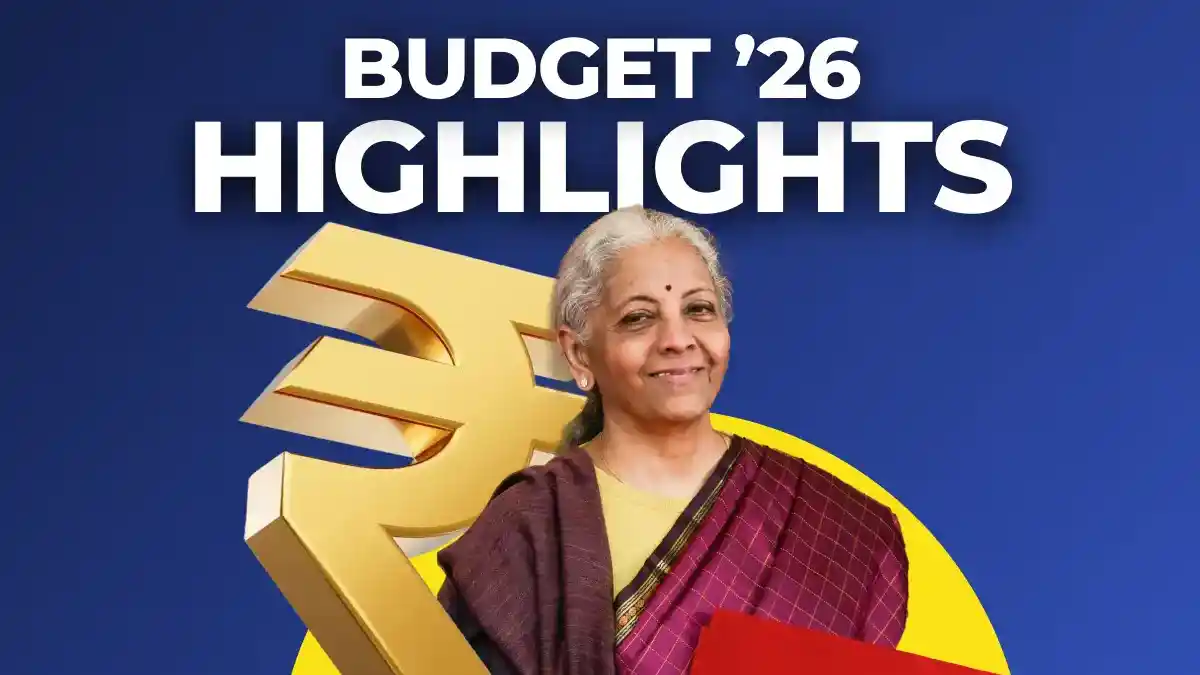
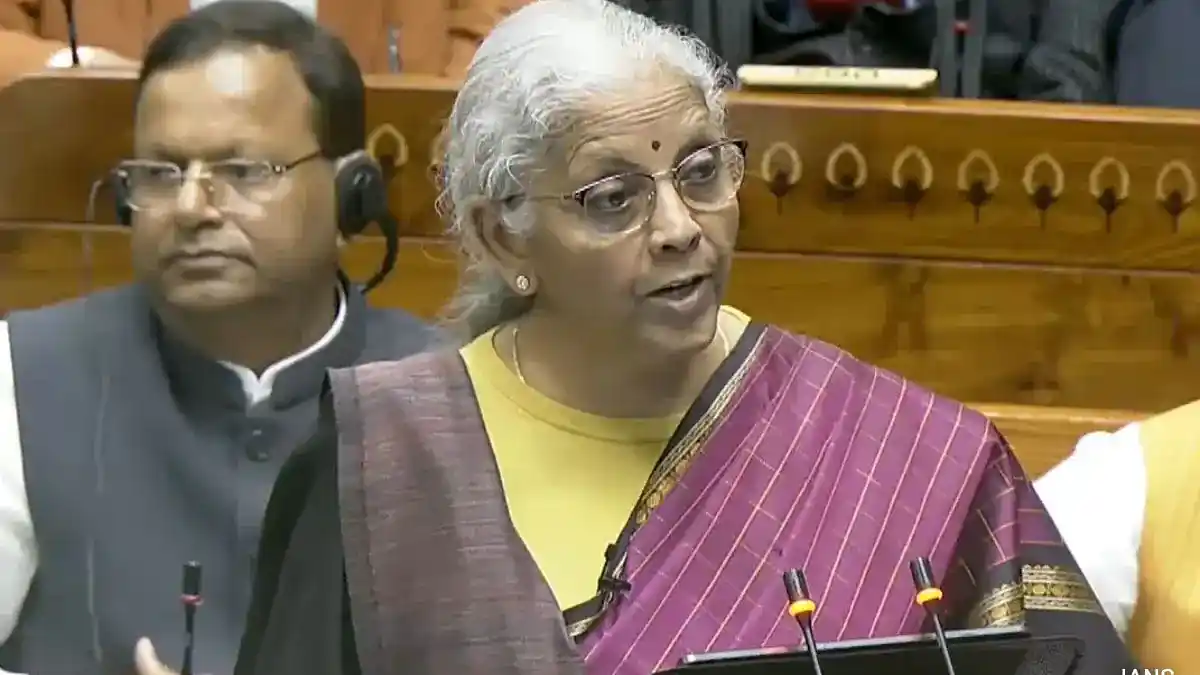
    India’s Finance Minister Nirmala Sitharaman presented the Union Budget 2026–27 in Parliament on 1 February 2026, unveiling a wide-ranging set of policies aimed at economic growth, infrastructure, taxation reforms, and sector-wise development. The Budget focuses on strategic investment, fiscal discipline, and long-term reforms to accelerate India’s domestic capabilities and global competitiveness. The following are the key highlights of the Union Budget 2026 from live coverage and reporting by multiple news sources.

    1. Record Capital Expenditure to Boost Growth

    The government announced a record capital expenditure allocation of ₹12.2 lakh crore for the fiscal year 2026–27, significantly higher than the previous year’s figure. This large capex aims to drive infrastructure development across transport, logistics, urban projects, and energy networks — reinforcing India’s investment-led growth strategy.

    Also Read: Sensex and Nifty Slide Sharply After Union Budget 2026: What Happened in the Stock Market

    2. Seven High-Speed Rail Corridors and Freight Networks

    One of the most eye-catching infrastructure announcements was the plan to build seven new high-speed rail corridors connecting key urban and economic hubs such as Mumbai–Pune, Pune–Hyderabad, and Delhi–Varanasi. In addition, a dedicated east-west freight corridor from Dankuni (West Bengal) to Surat (Gujarat) was proposed to strengthen goods movement.

    3. Support for Advanced Manufacturing and Technology

    The Budget unveiled the India Semiconductor Mission 2.0 with an outlay of ₹40,000 crore to deepen India’s semiconductor manufacturing ecosystem, promote research and training, and boost technology-led industry expansion. There was also a substantial push for rare-earth mineral corridors in states like Odisha, Kerala, Andhra Pradesh, and Tamil Nadu to secure critical raw materials for high-tech sectors.

    Also Read: Income Tax in Union Budget 2026: What Changed and What Stayed the Same

    4. Fiscal Discipline and Deficit Target

    The government reaffirmed its commitment to fiscal prudence, targeting a fiscal deficit of approximately 4.3 % of GDP for 2026–27 — slightly lower than the current fiscal year to maintain stability while expanding investment.

    5. Tax Reforms and Ease of Compliance

    The Budget proposed reforms including a simplified Income Tax Act coming into effect from April 2026, redesigned return filing processes, and extended timelines to ease compliance for taxpayers. Measures such as reducing Tax Collected at Source (TCS) on overseas travel and education remittances under the Liberalised Remittance Scheme were also introduced.

    Also Read: Budget 2026 Explained: Why This Is the Most Confident and Assured Phase of Modinomics Yet

    6. Agriculture and Rural Development

    The allocation for the agriculture sector was increased to ₹1.63 lakh crore to support high-value crops, allied activities, and modern agricultural practices designed to improve farmer incomes and rural employment.

    7. MSME, Textile, and Village Industry Boost

    Comprehensive support for Micro, Small & Medium Enterprises (MSMEs) was laid out, including growth funding and targeted programs for traditional industries like khadi, handloom, and silk — particularly in states like Uttar Pradesh — to spur employment and production growth.

    8. Defence and Strategic Sector Allocations

    The Budget allocated ₹7.85 lakh crore to the defence sector, prioritising modernization, procurement of advanced equipment, and strategic force enhancement. Capital outlay and pension obligations were also addressed to balance current and future defence requirements.

    9. Education, Healthcare, and Human Development

    Investments were announced for healthcare infrastructure, allied health workforce training, and education-to-employment initiatives. This includes establishing new hostels for girls, expanding skill development programs, and setting up content creator labs in schools and colleges for technology and creative sector education.

    10. Environment, Clean Energy, and Infrastructure Schemes

    The Budget introduced support for solar power, battery storage, and electric vehicles in key regions, plus customs duty reductions on solar inputs and related technologies to drive clean energy adoption and cost-effective renewable systems.

    Summary

    Union Budget 2026–27 prioritises infrastructure, technology-driven manufacturing, fiscal discipline, and structural reforms while extending targeted support to agriculture, MSMEs, and human capital development. By blending record public investment with tax compliance reforms and sector-specific initiatives, the Budget aims to strengthen India’s long-term economic trajectory and global competitiveness.

  • Sensex and Nifty Slide Sharply After Union Budget 2026: What Happened in the Stock Market

    Sensex and Nifty Slide Sharply After Union Budget 2026: What Happened in the Stock Market

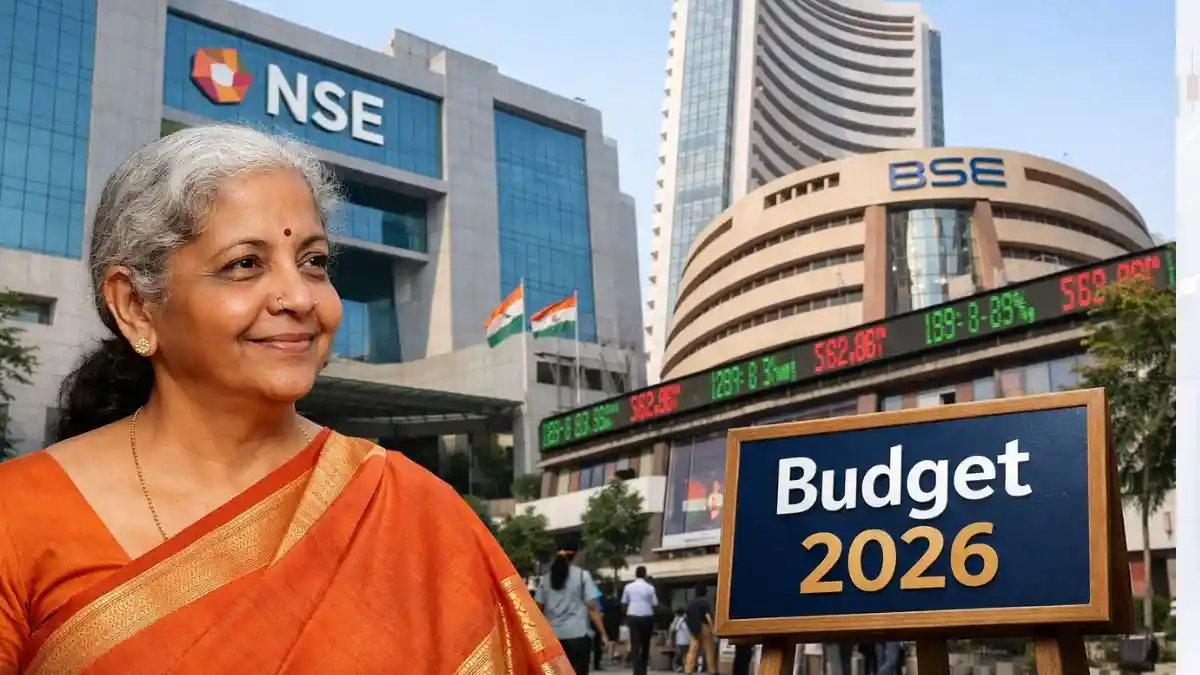
    India’s benchmark stock indices BSE Sensex and NSE Nifty 50 experienced a significant downturn on February 1, 2026, immediately after the Union Budget 2026–27 announcement by Finance Minister Nirmala Sitharaman. This marked one of the most negative market responses on a budget day in recent years, with major declines driven by investor concerns over key policy changes — especially tax increases on derivative trades.

    Strong Initial Optimism Fades Quickly

    When the Budget was unveiled during a special Sunday trading session, markets initially showed mixed sentiment. However, this optimism quickly faded as details of the Budget emerged, particularly the increase in the Securities Transaction Tax (STT) on equity derivatives such as futures and options. This move raised trading costs and spooked traders and institutional investors.

    Sensex and Nifty — Key Movements

    According to BusinessToday.in, the BSE Sensex plunged 1,546.84 points (about 1.88%) to close at approximately 80,722.94, while the Nifty 50 slid 495.20 points (around 1.96%) to finish near 24,825.45. These steep losses wiped out an estimated ₹10 lakh crore of market capitalization, signaling widespread selling pressure across sectors.

    NDTV also reported that at certain points during trading, the indices showed even larger drops, with the Nifty nearing a fall of nearly 3% as investors reassessed the cost of derivatives trading after the Budget’s announcements.

    Why Did Markets React So Negatively?

    The sharp sell-off in Sensex and Nifty was largely attributed to:

    1. Higher Taxes on Derivative Trades:

    The STT on futures was raised to 0.05% from 0.02%, and on options premiums to 0.15% from 0.10%; such increases directly affect traders and brokerage margins. Higher costs tend to reduce trading volumes, especially in the derivatives market, which had grown substantially in recent years. This unexpected change triggered quick selling, particularly among active traders and hedge funds.

    2. Lack of Immediate Market-Friendly Incentives:

    Investors were also disappointed by the absence of stronger fiscal incentives or measures for attracting foreign capital inflows — a point of concern given recent net outflows of foreign investment from Indian equities. This added to market unease.

    3. Broad Selling Across Sectors:

    Market breadth weakened significantly as most stocks ended in the red across various sectors, reflecting a widespread risk-off sentiment rather than sector-specific weakness.

    Market Analysts’ Views

    Analysts highlighted that the Budget’s shift toward higher transaction costs was meant to discourage speculative activity in derivatives, but the abrupt nature of this change caught traders off guard. Many pointed out that even marginal increases in tax rates can disproportionately affect derivative volumes and market sentiment.

    What It Means for Investors

    The sharp reaction of Sensex and Nifty suggests that markets are currently prioritizing liquidity considerations and tax environments over long-term Budget announcements like infrastructure spending or economic reforms. While the broader economic goals of the Budget remain relevant, the immediate impact shows that investors are sensitive to policy changes that affect trading costs and market participation dynamics.

  • Income Tax in Union Budget 2026: What Changed and What Stayed the Same

    Income Tax in Union Budget 2026: What Changed and What Stayed the Same

    Here’s a clear, up-to-date look at the income tax provisions announced in India’s Union Budget 2026–27 by Finance Minister Nirmala Sitharaman on February 1, 2026 — focusing on direct tax changes, compliance simplifications, and what taxpayers should know this year.

    1. No Change in Income Tax Slabs for Individuals

    Contrary to widespread expectations of tax cuts or slab revisions for salaried individuals and middle-class taxpayers, the 2026 Budget did not change the existing income tax rates or slab structure in either the old or new tax regime. The government chose to maintain stability in tax rates after last year’s major tax reform.

    Under the current new tax regime, the slab structure remains:

    • Income up to ₹4,00,000: Nil tax
    • ₹4,00,001 to ₹8,00,000: 5%
    • ₹8,00,001 to ₹12,00,000: 10%
    • ₹12,00,001 to ₹16,00,000: 15%
    • ₹16,00,001 to ₹20,00,000: 20%
    • ₹20,00,001 to ₹24,00,000: 25%
    • Above ₹24,00,000: 30%
      The existing tax exemptions and deductions (like standard deduction and rebate under Section 87A) also remain intact.

    This means for many salaried taxpayers, incomes up to around ₹12 lakh remain effectively tax-free under the new regime after standard deductions are applied — a carry-over benefit from the earlier tax overhaul.

    2. New Income Tax Act, 2025 Comes Into Force

    One of the biggest reforms announced in the Budget is the transition to the Income Tax Act, 2025, which will replace the old 1961 law starting April 1, 2026. This modernised statute simplifies the framework by cutting the number of provisions and sections nearly in half, making tax administration more transparent and user-friendly.

    Key features of the new Act include:

    • Simplified language and clearer tax provisions.
    • Fewer sections and rules, reducing ambiguity and legal disputes.
    • Replacing the “previous year-assessment year” model with a single tax year system — making tax filing and compliance easier.

    3. Easier Compliance and Extended Deadlines

    While tax rates stayed the same, the Budget introduced procedural changes aimed at reducing compliance burden:

    • Revised Income Tax Return (ITR) deadline extended to March 31 of the assessment year (up from December 31) — with a small nominal fee for late filings.
    • Staggered filing deadlines for different categories of taxpayers (e.g., ITR-1 and ITR-2 by July 31; non-audit businesses and trusts by August 31) are expected to reduce last-minute congestion.
    • A one-time six-month foreign asset disclosure window for taxpayers with small overseas assets to voluntarily report holdings with a specified tax and penalty regime has been introduced to clear up compliance issues.

    4. Targeted Tax Exemptions and Reliefs

    Although slabs didn’t change, the Budget provided some targeted tax relief measures:

    • Interest amounts awarded by the Motor Accident Claims Tribunal (MACT) to an individual will now be exempt from income tax, and there will be no TDS (Tax Deducted at Source) on such interest — ensuring full compensation for victims or families.
    • Higher thresholds for TCS (Tax Collected at Source) apply on overseas transactions such as foreign tour packages and education/medical remittances under Liberalised Remittance Scheme (LRS), making these transactions more cost-efficient for taxpayers.

    5. Compliance-Friendly Changes and Reduced Litigation

    The Budget also rationalises the prosecution framework under the Income Tax Act, shifting penalties away from criminal prosecution for minor defaults to fees, which is likely to reduce litigation and make the tax regime more “humane” and taxpayer-friendly.

    Overall Takeaway for Taxpayers in 2026

    Union Budget 2026 didn’t bring headline tax rate cuts but focused on stability, simplification, and ease of compliance. By introducing the new Income Tax Act from April 2026, extending return deadlines, and offering targeted exemptions, the government signalled a long-term shift toward a more straightforward and less contentious tax environment — while maintaining the broader tax structure introduced earlier.

  • Budget 2026 Explained: Why This Is the Most Confident and Assured Phase of Modinomics Yet

    Budget 2026 Explained: Why This Is the Most Confident and Assured Phase of Modinomics Yet

    On February 1, 2026, India’s Finance Minister Nirmala Sitharaman presented the Union Budget 2026-27, described by many analysts as the most assured phase of “Modinomics” yet — emphasizing infrastructure investment, manufacturing depth, technological transformation, and steady fiscal consolidation. This budget narrates a broader economic vision aimed at positioning India for long-term growth and global competitiveness.

    Capital Expenditure and Growth Strategy

    A centerpiece of the Budget is the record capital expenditure (capex) outlay of ₹12.2 lakh crore, reinforced as the engine of India’s economic strategy. This allocation underscores the government’s commitment to infrastructure — from logistics and transport corridors to industrial clusters — and aims to sustain economic expansion even amid global volatility.

    The fiscal math remains disciplined. The fiscal deficit is targeted at about 4.3 % of GDP for 2026-27, reflecting a continued path of consolidation while still enabling investment-led growth. GDP growth projections for the next fiscal year hover in the high 6 % to low 7 % range, indicating resilience in the face of global headwinds.

    Manufacturing, Critical Minerals, and Industrial Expansion

    The Budget carries forward a strategic push on manufacturing — moving beyond simple support toward deeper industry capabilities. New industrial clusters, revival of legacy sectors, and targeted missions for key industries are planned:

    Biopharma SHAKTI Mission with ₹10,000 crore to build India’s role in advanced therapeutics.
    Semiconductors and Electronics Components with a boosted outlay (as highlighted in other reports) aimed at reducing import dependence and enhancing domestic value chains.
    Rare-earth mineral corridors in multiple states to secure supply chains for high-tech manufacturing.

    These efforts signal a maturation of Modinomics from earlier phases — which focused on fiscal reform and pandemic recovery — toward deeper structural transformations, such as import substitution and global integration.

    Technology, AI, and Services Exports

    Technology features prominently in Budget planning. Several initiatives are designed to harness India’s digital strengths:

    • Expansion of AI-driven platforms like multilingual agricultural advisory systems.
    • Incentives for data centres and cloud infrastructure, positioning India as a credible digital hub.
    • A 10 % global services export target, recognizing India’s advantage in digital services and workforce skills.

    This shift reflects the government’s recognition that future growth will increasingly depend on technological adoption and integration across sectors.

    Social Sector, Jobs, and Human Capital

    While infrastructure and industry draw headlines, the Budget also allocates resources toward human capital:

    • Expanded healthcare spending via new hubs and partnerships under public-private frameworks.
    • Emphasis on education and employment ecosystems to equip India’s young workforce for emerging technologies.

    These investments aim to convert India’s demographic strength into productive capacity, addressing structural skills gaps and enabling long-term inclusivity.

    Taxation and Market Reforms

    The Budget does not focus on dramatic direct tax cuts, but rather on tax policy simplification and compliance ease. Extensions in timelines for filing and TDS/TCS rationalization reflect a move toward a maturing fiscal regime, designed to reduce friction for taxpayers and businesses.

    Market participants also reacted to certain tax changes — including hikes in securities transaction tax (STT) on futures and options — which caused short-term volatility in equity markets, illustrating the balancing act between revenue generation and investor sentiment.

    The Broader Modinomics Narrative

    Across its three phases, Modinomics has evolved:
    Phase 1 focused on fiscal repair and foundational reform.
    Phase 2 navigated pandemic recovery and ramped up investment through Production Linked Incentives (PLI) and capex growth.
    Phase 3, embodied by Budget 2026, aims to integrate investment, technology, global competitiveness, and structural transformation.

    This comprehensive approach — from infrastructure to innovation — is why many economists view the 2026 Budget as the most assured phase of Modinomics yet, setting a long-term roadmap for India’s advancement toward becoming a global economic powerhouse.

  • OPPO K14x 5G Coming Soon to India: Budget 5G Phone With 7,000mAh Massive Battery

    OPPO K14x 5G Coming Soon to India: Budget 5G Phone With 7,000mAh Massive Battery

    OPPO is gearing up to expand its popular K-series lineup in India with the OPPO K14x 5G, a budget-friendly 5G smartphone tipped to arrive in the first week of February 2026. While the company has not officially confirmed the launch date, industry sources and teaser posters on Flipkart strongly indicate an imminent introduction for the new model.

    The OPPO K14x 5G is expected to target the sub-₹15,000 segment, directly competing with other affordable 5G devices from brands like POCO, Redmi and Lava, which have been leading sales in this price category.

    Launch Timeline & Price Expectations

    According to exclusive information received by 91mobiles, the OPPO K14x 5G could launch in India in the first week of February 2026, although an official date is yet to be announced.

    The phone is expected to be priced around ₹15,000, making it one of the most affordable 5G phones in OPPO’s lineup while offering value-for-money features.

    Expected Specifications

    The OPPO K14x 5G is anticipated to bring a solid balance of performance, battery life and camera capability ideal for everyday users:

    Performance and Processor

    • The phone may come powered by a MediaTek Dimensity 6300 or Dimensity 6400 5G chipset, a power-efficient octa-core processor built on a 6nm process that promises smooth performance for daily tasks and casual gaming.

    Display

    • A large 6.7-inch HD+ display with 120 Hz refresh rate is expected, delivering smooth visuals for browsing, videos, and gaming.

    Battery and Charging

    • Battery capacity could be significantly larger than its predecessor, with possible 7000 mAh battery support and 45 W fast charging, enabling long lasting usage and quick top-ups.

    Camera

    • The main camera setup is expected to include a 50 MP primary sensor, promising improved imaging performance over earlier models. AI-enhanced photo modes and better night shots are likely part of the camera package. A capable front-facing camera will also support selfies and video calls.

    Software

    • OPPO’s latest ColorOS (likely ColorOS 16 based on Android 16) is expected to run on the device, offering a user-friendly interface and useful software features.

    Competition & Market Positioning

    In the highly competitive budget 5G segment, the OPPO K14x 5G will go head-to-head with popular rivals such as the POCO M8, Redmi Note 15 and Lava Agni 4, which often feature AMOLED displays and fast charging. OPPO’s strengths for this model will likely include big battery capacity, reliable brand support and smooth software experience.