Blog

  • “Is That Really an Avante?” The Hyundai Avante CN8 Rear Design is Crossing into Luxury Territory

    “Is That Really an Avante?” The Hyundai Avante CN8 Rear Design is Crossing into Luxury Territory

    When we think of a “compact sedan,” we usually imagine something practical, modest, and safe. But the moment you lay eyes on the all-new Hyundai Avante CN8 (Elantra), that label feels completely out of place.

    The latest renders and spy shots of the CN8 full redesign—particularly the rear view—suggest that Hyundai isn’t just updating a car; they are redefining the entire segment. This isn’t a mere generational update; it’s a total takeover of the luxury sedan aesthetic.

    The Rear View: Where the Magic Happens

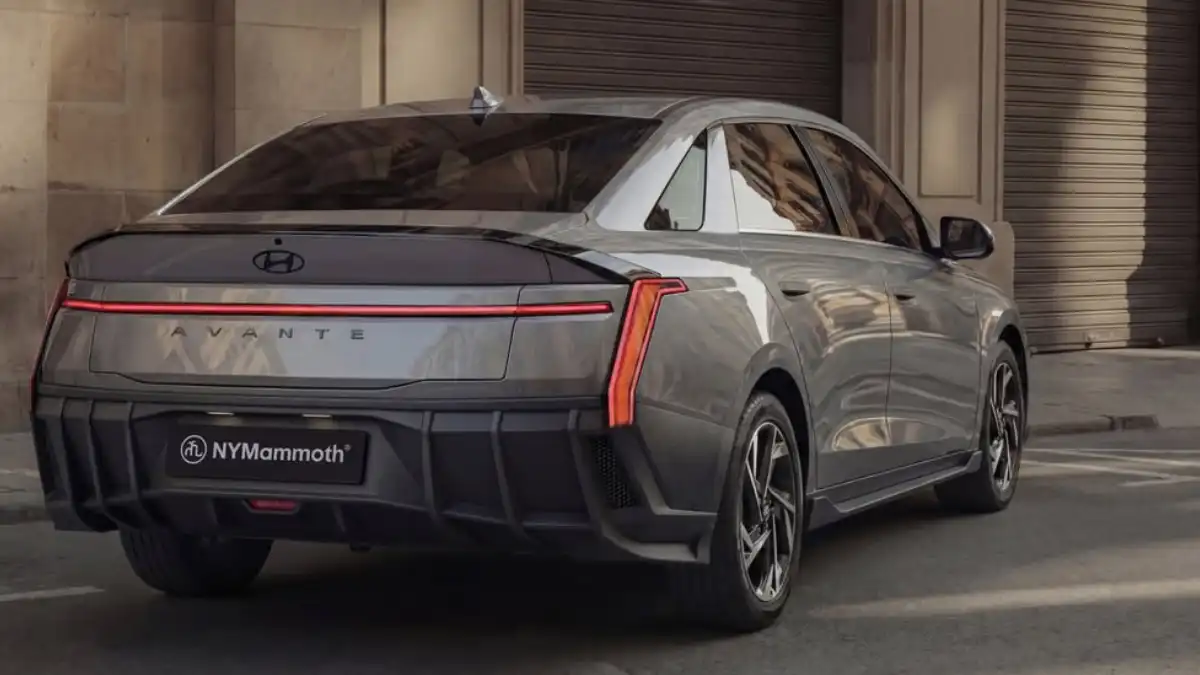
    If the front of a car is its face, the rear is its closing statement. And the Avante CN8’s statement is loud and clear. Here is why the rear design is the talk of the automotive world:

    • Traditional Proportions, Modern Twist: Hyundai has reinterpreted the classic sedan silhouette. The roofline flows seamlessly into the trunk, creating a sleek, coupe-like profile that mimics high-end grand tourers.
    • The “Low and Wide” Stance: By utilizing a horizontal light bar that spans the entire width of the car, complemented by sharp vertical accents, the CN8 looks lower to the ground and significantly wider. This gives it a planted, aggressive stance usually reserved for sports sedans.
    • N-Inspired Aggression: You don’t need to buy the high-performance ‘N’ model to feel the heat. Even the base design carries the “N DNA,” featuring a sharp rear diffuser and aerodynamic lines that scream performance.

    Heritage Meets Future: The N Vision 74 Influence

    The design isn’t just random; it’s deeply rooted in Hyundai’s recent “Newtro” (New + Retro) philosophy.

    Hyundai Avante (Elantra) CN8: Expected Features at a Glance

    FeatureDescription
    Design Language“Parametric Dynamics” with N Vision 74 influence
    LightingFull-width LED ‘H-Tail Lamp’ with vertical elements
    InteriorPanoramic Dual 12.3-inch screens & Pleos Connect system
    Powertrain1.6L Petrol, Hybrid, and a rumored 2.5L Turbo for the N model
    Global DebutExpected Late 2026 (as a 2027 Model)

    Breaking the “Compact” Ceiling

    With the CN8, the Avante is officially “punching up.” It touches the territory of its older sibling, the Sonata, and even challenges entry-level luxury brands in terms of visual impact.

    By prioritizing a “Low and Wide” design and integrating high-performance aesthetics into the standard trim, Hyundai is betting that the modern driver wants more than just a commute—they want a design icon.

    The big question remains: When this hits the streets next year, will people even realize they are looking at an Avante, or will they mistake it for something far more expensive?
  • The Legend Returns: 9th Gen Hyundai Sonata Confirmed with ‘N Vision 74’ DNA and Game-Changing EREV Tech!

    The Legend Returns: 9th Gen Hyundai Sonata Confirmed with ‘N Vision 74’ DNA and Game-Changing EREV Tech!

    In an era dominated by SUVs, Hyundai is making a bold statement: the sedan is striking back. Hyundai has officially confirmed the development of the 9th Generation Sonata, and it’s not just a simple refresh. This upcoming masterpiece is set to redefine the “Newtro” (New + Retro) aesthetic, blending the iconic heritage of the 1st-gen Sonata with the futuristic edge of the N Vision 74.

    Here is everything we know about the 9th-gen Sonata that is already sending shockwaves through the automotive world.

    Design: Where Heritage Meets the Future

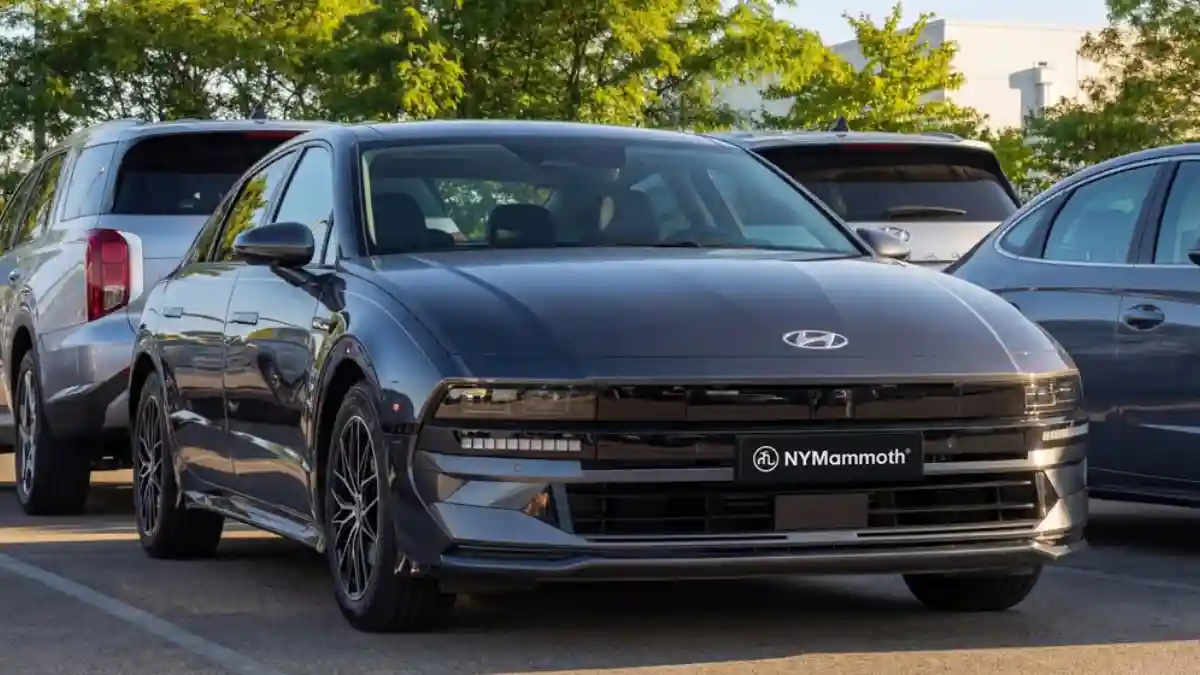
    The 9th-gen Sonata is moving away from the “curvy” look of recent years and embracing a sharper, more aggressive silhouette.

    • Retro DNA: Design renders suggest the car will take inspiration from the 1st Generation Sonata’s bold, angular lines. It’s a nod to the past that feels incredibly modern.
    • N Vision 74 Influence: Expect the sharp, wedge-like design language seen in the award-winning N Vision 74 concept to bleed into the Sonata’s new bodywork.
    • Pixel Lamp Signature: Hyundai will integrate its iconic Seamless Horizon ‘Pixel Lamps’, giving the car a digital, high-tech identity that stands out in the dark.

    Powertrain Revolution: The Rise of EREV

    Perhaps the biggest news isn’t the design, but what’s under the hood. Hyundai is looking beyond traditional engines and standard hybrids.

    • EREV (Extended Range Electric Vehicle): Rumors are swirling that the 9th-gen Sonata could feature EREV technology. Unlike a standard hybrid, an EREV uses a small gasoline engine solely as a generator to charge the battery, offering a pure electric driving feel with a total range that could exceed 1,000 km.
    • High-Efficiency Hybrids: For those not ready for the EREV jump, a next-gen high-efficiency hybrid system will remain a core part of the lineup, focusing on record-breaking fuel economy.

    Interior: A Digital Mobility Icon

    Inside, the Sonata is evolving from a “family car” to a “mobility hub.”

    • Next-Gen Infotainment: Expect a massive curved display running Hyundai’s latest ccNC (connected car Navigation Cockpit) software.
    • Eco-Friendly Luxury: The cabin will likely feature sustainable materials, recycled plastics, and vegan leather, aligning with Hyundai’s carbon-neutral goals.

    9th Gen Hyundai Sonata: What to Expect

    FeatureDetails (Expected)
    Design Language‘Newtro’ – Blend of 1st Gen & N Vision 74
    LightingSignature Parametric Pixel LED Lamps
    New Engine TechEREV (Extended Range EV) & Gen-2 Hybrids
    Range (EREV)Potentially over 1,000 km per charge/tank
    PlatformAdvanced Third-Gen Platform (Optimized for EV/EREV)
    Target AudienceDesign-conscious buyers & Tech enthusiasts

    Why This Matters: The ‘Sedan Strike Back’

    For years, the Sonata was seen as a “safe, sensible choice.” With the 9th generation, Hyundai is transforming it into a design icon. By combining nostalgia (Heritage) with cutting-edge tech (EREV), Hyundai is proving that the sedan can be just as exciting, if not more so, than any SUV on the market.

    Launch Timeline: While official dates are still under wraps, the 9th-gen Sonata is expected to make its global debut in late 2026, with a market launch following in 2027.

    What do you think about Hyundai’s new ‘Newtro’ direction? Is the angular, pixel-heavy design the right move for the Sonata? Let us know your thoughts!

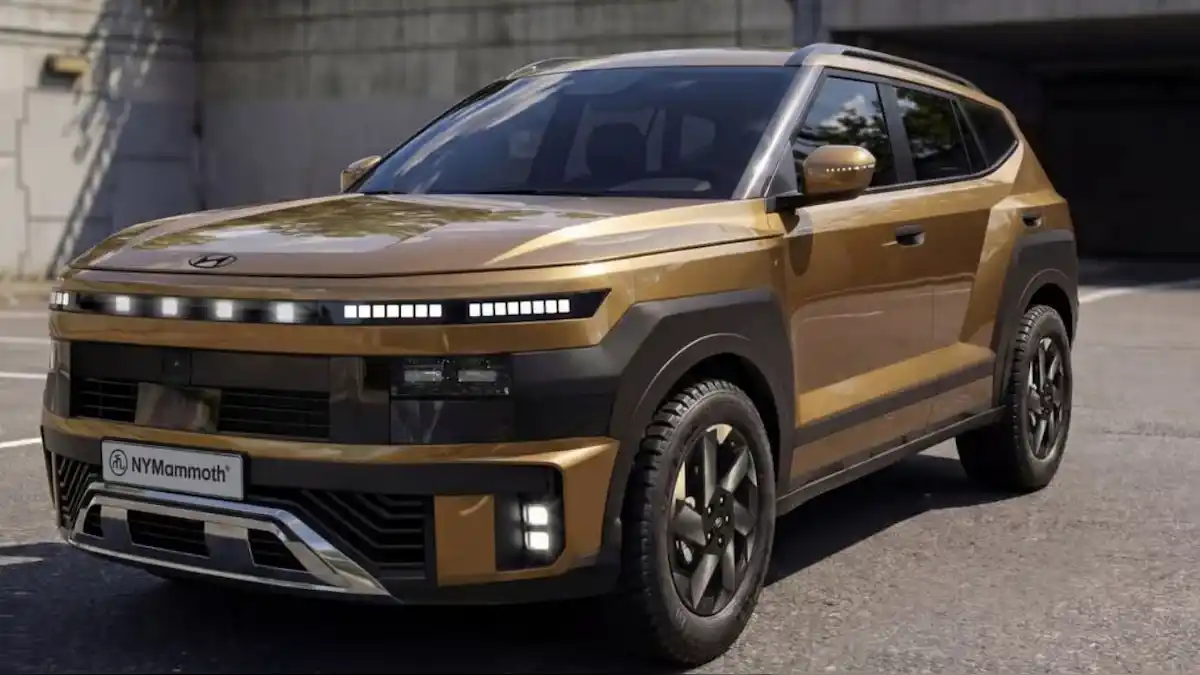
  • 3rd-Gen Hyundai Creta Leaks: Bold Nexo-Inspired Design and Hybrid Power Tipped for 2027 Launch!

    3rd-Gen Hyundai Creta Leaks: Bold Nexo-Inspired Design and Hybrid Power Tipped for 2027 Launch!

    The undisputed “King of SUVs” is preparing for its next big evolution. While the current second-gen facelift continues to dominate Indian roads, the first-ever spy shots of the third-generation Hyundai Creta have surfaced online in February 2026.

    Based on these sightings, digital artists have created stunning renders that suggest a radical design reset for the mid-size SUV. Here is your first look at what to expect from the 2027 Hyundai Creta.

    Design: A Futuristic ‘Nexo’ Style Makeover

    The latest renders show a significant departure from the current “boxy yet curvy” look. The 3rd-gen Creta appears to draw heavy inspiration from the Hyundai Nexo and the global Palisade.

    • Front Fascia: The traditional large grille is replaced by a cleaner, more upright face featuring pixel-style LED lighting. A sleek, full-width LED DRL bar sits high on the hood, with quad-beam LED headlamps positioned lower on the bumper.+1
    • Side Profile: The SUV looks noticeably larger and more muscular. It features flush-type door handles, chunky 18-inch (or potentially 19-inch) alloy wheels, and a more pronounced roof spoiler.
    • Rear Look: Expect a tech-forward rear with connected LED tail lamps that mirror the pixelated signature seen on the front.

    Platform and Safety: The Move to K3

    The 3rd-gen Creta is expected to migrate to the new K3 platform, which also underpins the next-gen Kia Seltos.

    • Bigger Dimensions: This shift will likely result in a longer wheelbase and more interior space, especially in the second row.
    • Safety First: With a stronger chassis, Hyundai is reportedly aiming for a 5-star safety rating (BNCAP/GNCAP). Level 2 ADAS will likely be standard across higher variants.

    The Game Changer: Hybrid Power

    For the first time, the Creta is expected to go green without going fully electric.

    • Strong Hybrid Engine: Alongside the tried-and-tested 1.5L petrol and diesel engines, Hyundai is tipped to introduce a 1.5L strong hybrid powertrain. This could offer a staggering mileage of 25–30 kmpl, making it a nightmare for its rivals.
    • Existing Options: The 160hp 1.5L Turbo-petrol and the 115hp Diesel will continue to cater to enthusiasts and long-distance drivers.

    Quick Look: Expected Specifications

    FeatureDetails (Expected)
    PlatformNew K3 Platform (Shared with Seltos)
    Design LanguageNexo-inspired Futuristic Pixel Design
    Engine Options1.5L Petrol, 1.5L Diesel, 1.5L Turbo & New Strong Hybrid
    Transmission6MT, IVT, 6AT, and 7-speed DCT
    Key FeaturesDual 12.3-inch Screens, Panoramic Sunroof, Level 2 ADAS
    Estimated LaunchEarly 2027 (Unveil in Late 2026)

    Launch Timeline and Pricing

    While the test mules have just started appearing in South Korea, the 3rd-gen Hyundai Creta is expected to make its global debut in the second half of 2026.

    • India Launch: Likely between January and March 2027.
    • Expected Price: Due to the hybrid tech and premium features, the price could range between ₹12.50 lakh and ₹25 lakh (ex-showroom).
  • Nothing Phone (4a) and (4a) Pro Alert: Launch Date Tipped for Next Month; No Flagship Phone 4 in 2026!

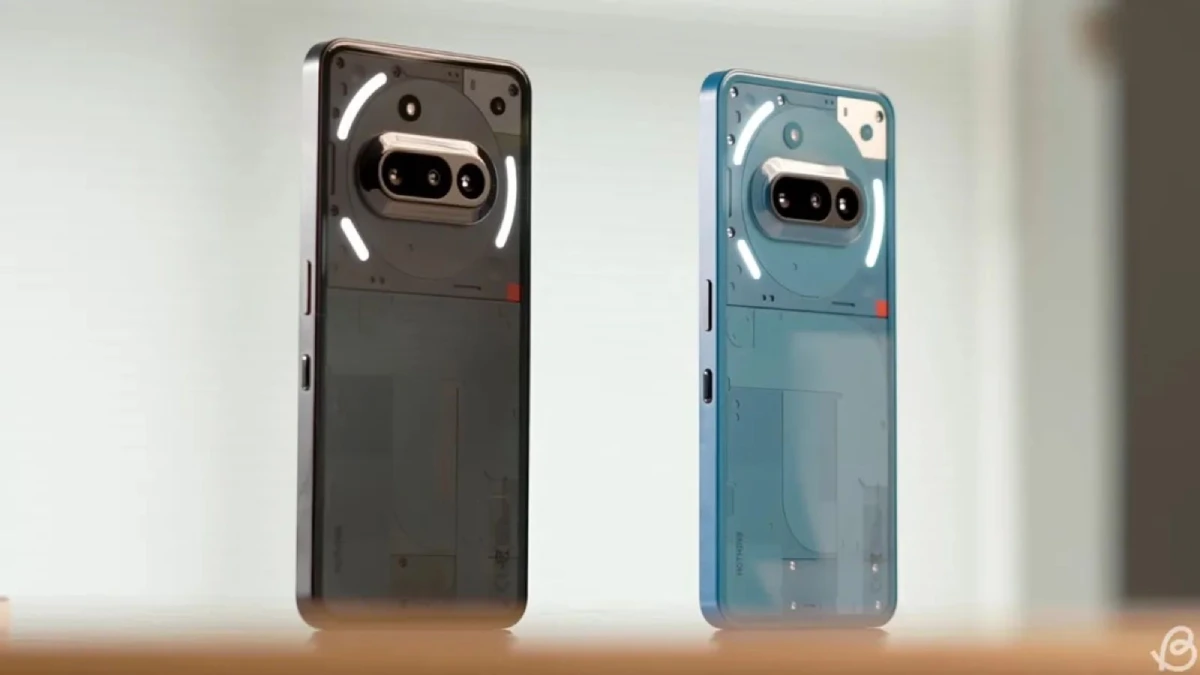
    Nothing Phone (4a) and (4a) Pro Alert: Launch Date Tipped for Next Month; No Flagship Phone 4 in 2026!

    Nothing fans, mark your calendars! After months of speculation, fresh leaks suggest that Nothing is skipping a flagship launch this year to focus entirely on its “evolutionary” mid-range series. The Nothing Phone (4a) and Nothing Phone (4a) Pro are reportedly set to make their global debut as early as March 5, 2026.

    CEO Carl Pei recently confirmed that the brand is “doubling down” on the A-series to provide a closer-to-flagship experience at a mid-range price point. Here is everything we know about the upcoming devices.

    Design and Durability: A Fresh Evolution

    While Nothing will maintain its signature transparent aesthetic and Glyph interface, the Phone (4a) series is expected to undergo a “material refresh.”

    • New Look: Rumors point to a more mature design language with experimentation in new colors, including a rumored Pink variant alongside the classic Black and White.
    • Tougher Build: The Phone (4a) Pro has been spotted in certification listings with an IP65 rating, offering better resistance against dust and water than its predecessors.

    Performance: The Big Storage Upgrade

    One of the most significant “under the hood” changes confirmed by Nothing is the shift to UFS 3.1 storage. This upgrade from the older UFS 2.2 will result in much faster app opening speeds and smoother overall performance.

    • Pro Power: The Nothing Phone (4a) Pro is tipped to feature the Snapdragon 7 series (possibly Snapdragon 7 Gen 4) or even the Snapdragon 8s Gen 3, making it a formidable “flagship killer.”
    • Standard Model: The vanilla Phone (4a) is expected to house the Snapdragon 7s series chipset, balanced for efficiency and daily multitasking.

    Camera and Display

    • Display: Both phones are expected to feature large 6.8-inch AMOLED panels with 120Hz (Standard) or 144Hz (Pro) refresh rates. Peak brightness could reach a staggering 3,000 nits.
    • Triple Camera Setup: The Pro model is rumored to pack a triple 50MP setup, including a periscope telephoto lens—a rarity in the mid-range segment. The standard (4a) might stick to a 64MP main sensor paired with ultra-wide and telephoto lenses.

    Leaked Specifications: Nothing Phone (4a) vs. (4a) Pro

    FeatureNothing Phone (4a)Nothing Phone (4a) Pro
    Display6.8″ AMOLED, 120Hz6.8″ AMOLED, 144Hz
    ChipsetSnapdragon 7s SeriesSnapdragon 7 Gen 4 / 8s Gen 3
    StorageUFS 3.1 (Confirmed)UFS 3.1 (Confirmed)
    Battery5,000mAh+5,080mAh (Certified)
    Charging45W – 50W50W Fast Charging
    Main Camera64MP Triple Setup50MP Triple (with Telephoto)

    Price and Launch Date (Rumored)

    According to reliable tipsters, the launch is tentatively scheduled for March 5, 2026, possibly coinciding with the Mobile World Congress (MWC) window.

    • Expected Price (India): The Nothing Phone (4a) could start around ₹32,000, while the Pro model might be positioned between ₹45,000 and ₹49,000.
    • The “No Phone 4” Strategy: By skipping a flagship Phone (4) this year, Nothing is ensuring that the (4a) series receives the most polished software and hardware updates the company can offer.
  • Oppo Reno15 5G: The Ultimate ‘Portrait Expert’ with 6,500mAh Battery and IP69 Durability Launched

    Oppo Reno15 5G: The Ultimate ‘Portrait Expert’ with 6,500mAh Battery and IP69 Durability Launched

    The wait is finally over! Oppo has officially unveiled the much-anticipated Reno15 5G in India, and it’s making waves with its unique blend of “HoloFusion” design and flagship-level durability. Aimed at photography enthusiasts and style-conscious users, the Reno15 series—which includes the standard model, a Pro, and a first-ever Pro Mini—is set to redefine the premium mid-range segment in 2026.+1

    Here’s everything you need to know about the Oppo Reno15 5G, from its massive battery to its pro-grade camera system.

    Design: Style Meets Extreme Toughness

    Oppo has introduced the HoloFusion Technology with this series, giving the phone a three-dimensional layered visual effect on its glass back. But it’s not just about looks; the Reno15 is built like a tank.

    • IP69 Rating: In a rare feat for this price segment, the phone boasts an IP69 rating. This means it can withstand high-pressure, high-temperature water jets (up to 80°C) and complete immersion.+1
    • Aerospace-Grade Build: It features an aluminum alloy frame and Corning Gorilla Glass 7i for superior drop resistance.

    Camera: The ‘Portrait Bestie’

    The Reno series has always been about cameras, and the Reno15 5G takes it a step further. While the Pro models feature a 200MP sensor, the standard Reno15 holds its own with a high-performance triple-camera setup.

    • Main Camera: 50MP Sony IMX882 with Optical Image Stabilization (OIS).
    • Telephoto Lens: 50MP Samsung JN5 sensor with 3.5x Optical Zoom, perfect for professional-looking portraits.
    • Selfie Camera: A stunning 50MP front-facing sensor with Auto-Focus and a wide 100° field of view, making group selfies easier than ever.

    Performance and Display

    Under the hood, the Indian variant of the Reno15 5G is powered by the Qualcomm Snapdragon 7 Gen 4 processor, ensuring smooth multitasking and efficient power consumption.

    • Display: It features a 6.59-inch 1.5K AMOLED panel with a 120Hz refresh rate. The screen is incredibly bright, peaking at 1,200 nits, ensuring clarity even under direct sunlight.+1
    • Software: The device runs on ColorOS 16 based on Android 16, offering the new “Trinity Engine” for sustained smoothness and 5 years of major OS updates.

    Battery: Power That Doesn’t Quit

    Despite its slim 7.8mm profile, Oppo has managed to pack a massive 6,500mAh silicon-carbon battery.

    • Charging: It supports 80W SuperVOOC fast charging, capable of taking the battery from 1% to 100% in roughly 50–60 minutes.
    • Endurance: On a single charge, the phone can easily last over two days for average users.

    Oppo Reno15 5G: Key Specifications

    FeatureDetails
    Display6.59-inch AMOLED, 1.5K Resolution, 120Hz
    ProcessorQualcomm Snapdragon 7 Gen 4
    RAM / StorageUp to 12GB LPDDR5X / 512GB UFS 3.1
    Rear Camera50MP (OIS) + 50MP (3.5x Telephoto) + 8MP (Ultra-wide)
    Front Camera50MP with Auto-Focus
    Battery / Charging6,500mAh / 80W SuperVOOC
    DurabilityIP66 / IP68 / IP69 Water & Dust Resistance

    Price and Availability in India

    The Oppo Reno15 5G is priced competitively, starting at ₹45,999 for the base variant.

    • 8GB + 256GB: ₹45,999
    • 12GB + 256GB: ₹48,999
    • 12GB + 512GB: ₹53,999

    The phone is available in three stunning colors: Glacier White, Twilight Blue, and Aurora Blue. You can grab yours from January 13, 2026, via Amazon, Flipkart, and Oppo’s official online and offline stores.

  • Apple Valentine’s Day Sale India: iPhone 16 Price Drops Below Rs 60,000, Check Deal Here

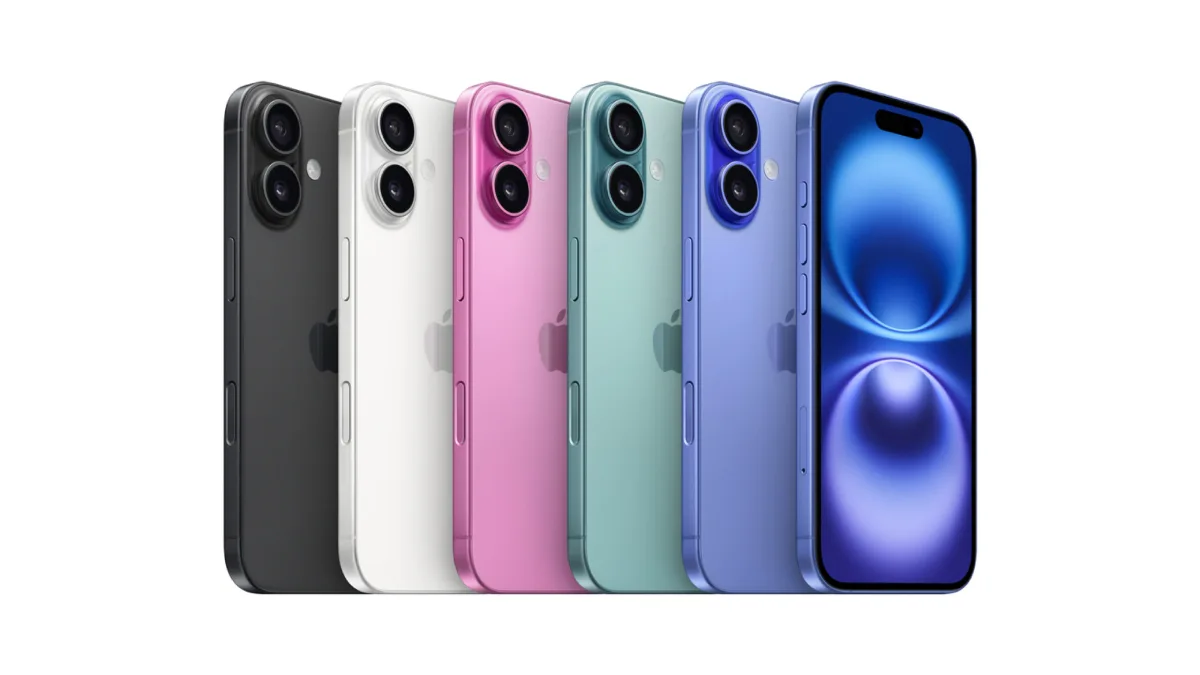
    Apple Valentine’s Day Sale India: iPhone 16 Price Drops Below Rs 60,000, Check Deal Here

    Love is in the air, and so are massive discounts! If you’ve been waiting to gift an iPhone to your special someone (or yourself), the Apple Valentine’s Day Sale 2026 is now live across major retailers in India. The headline deal of the season sees the flagship iPhone 16 crashing to its lowest price yet, effectively slipping below the Rs 60,000 mark.

    From the official Apple India Store to retail giants like Vijay Sales and Flipkart, here is your guide to grabbing the best tech deals this February.

    The Viral Deal: iPhone 16 Under Rs 60,000

    While the iPhone 16 launched at Rs 79,900, a combination of flat discounts and bank offers has made it incredibly affordable.

    • Vijay Sales Offer: The retailer has listed the iPhone 16 (128GB) at an effective price of Rs 57,990. This includes a direct price cut and an instant bank discount of up to Rs 3,000 on ICICI and SBI cards.
    • Flipkart Valentine’s Sale: Starting February 7, Flipkart is expected to offer the iPhone 16 at a similar effective price, with additional Exchange Bonuses of up to Rs 6,000 making the final “deal price” even lower.
    • iPhone 16e Bonus: For those on a tighter budget, the newly launched iPhone 16e is available for an effective price of just Rs 46,990 after bank cashbacks.

    Best Apple Valentine’s Day Deals at a Glance

    It’s not just the iPhone 16 seeing price cuts. The entire Apple ecosystem is on sale:

    ProductMRPEffective Sale PriceBest Offer Source
    iPhone 17 (256GB)Rs 82,900Rs 77,900Apple Store (Cashback)
    iPhone 16 (128GB)Rs 79,900Rs 57,990Vijay Sales
    MacBook Air M4Rs 99,990Rs 79,990Reliance Digital
    Apple Watch Series 11Rs 44,900Rs 40,990Vijay Sales
    AirPods Pro (3rd Gen)Rs 25,900Rs 21,990Amazon/Flipkart

    Where Should You Buy?

    Depending on your priority—lowest price or best service—here is how the retailers stack up:

    1. Apple India Official Store (Best for Trade-ins)

    The official store is offering a Rs 5,000 instant cashback on the iPhone 17 series using ICICI, Axis, or American Express cards.

    • The Perk: Their Trade-in program is offering up to Rs 64,000 for your old device, making it the best place if you are upgrading from an iPhone 14 or 15.
    • Bonus: Free laser engraving on AirPods and same-day pickup at Apple Saket or BKC.

    2. Vijay Sales (Best for Straight Discounts)

    Vijay Sales is currently leading the “price war.” They have undercut the official store by roughly Rs 2,000 to Rs 7,000 on several models. Plus, you earn MyVS Loyalty Points that can be used for future purchases.

    3. Reliance Digital (Best for MacBooks)

    If you are eyeing the new MacBook Air with the M4 chip, Reliance Digital’s “All About Apple” sale offers it at an effective price of Rs 79,990, which includes a massive Rs 10,000 bank cashback.

    Pro-Tip for Extra Savings

    Most sales are live from February 3 to February 14, 2026. If you are shopping on Flipkart or Amazon, look for “No-Cost EMI” options for up to 24 months, which can bring your monthly commitment down to as low as Rs 1,999 for an Apple Watch or Rs 6,908 for an iPhone 17.

    Note: Stock for popular colors like Teal (iPhone 16) and the new Cosmic Orange (iPhone 17 Pro) tends to run out fast during Valentine’s week, so acting early is recommended.

  • Apple’s First Foldable iPhone Design Leaked: A Radical Shift in Design and Technology

    Apple’s First Foldable iPhone Design Leaked: A Radical Shift in Design and Technology

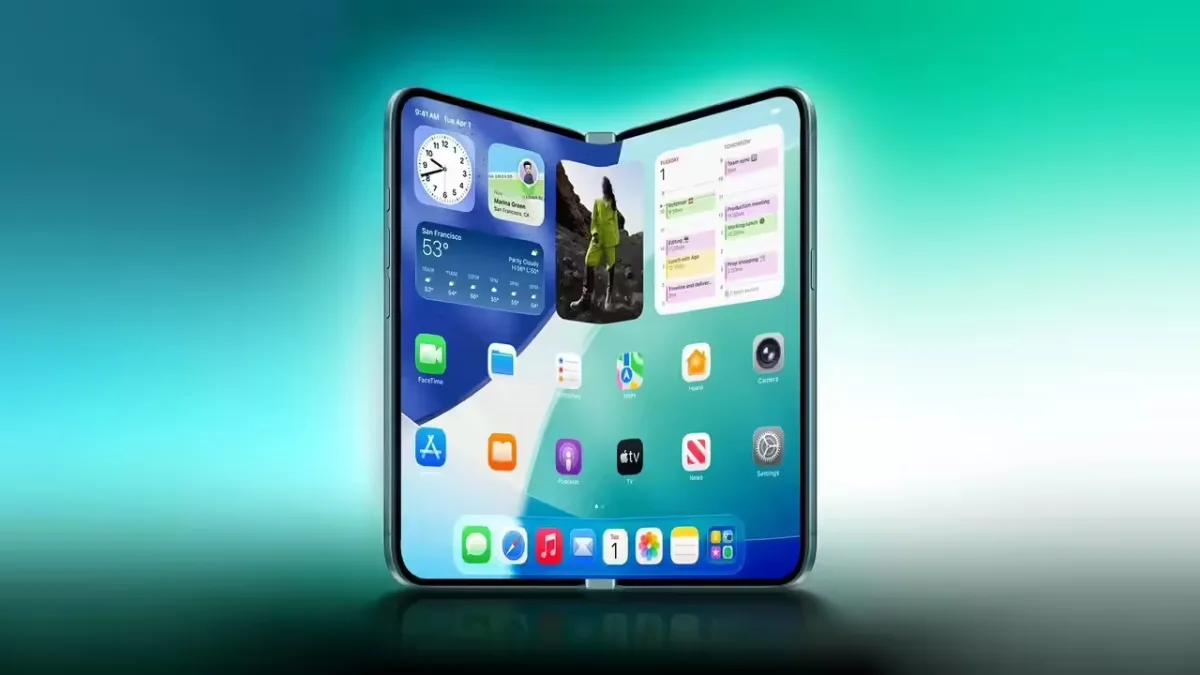
    The wait for the “iPhone Fold” may finally be nearing its end. A massive series of design leaks from Weibo and industry analysts have offered our most detailed look yet at Apple’s first entry into the foldable market. Expected to debut in September 2026 alongside the iPhone 18 Pro, this device isn’t just a folding version of the current iPhone—it’s a complete reimagining of the brand’s hardware.

    A “Passport” Design: Wider and Thinner

    The leaked schematics suggest Apple is moving away from the tall, narrow aspect ratio used by the Samsung Galaxy Z Fold. Instead, the foldable iPhone—internally rumored to be as thin as the upcoming iPhone Air—will feature a “passport-style” design.

    • Internal Screen: A massive 7.8-inch crease-free display. Reports indicate Apple has spent years perfecting a “liquid metal” hinge and a specialized metal support plate to ensure the screen remains perfectly flat.
    • External Screen: A compact 5.5-inch cover display, designed for quick notifications and one-handed use.
    • Chassis: A hybrid build using titanium for structural strength and aluminum to keep the device lightweight.

    Major Hardware Shakes-Up: The Return of Touch ID?

    In a surprising twist, Apple is reportedly ditching Face ID for this specific model to maintain its ultra-slim profile.

    • Button Relocation: The volume buttons have been moved to the top edge (similar to the iPad mini). The right side houses the power button with integrated Touch ID and the new Camera Control button.
    • Camera Setup: The rear features an all-black “camera plateau” with two horizontally arranged 48MP sensors (Wide and Ultra-Wide). To maintain a thin design, a telephoto zoom lens is notably absent.
    • The “Black Plateau”: Unlike other iPhones where the camera bump matches the body color, the foldable’s module will reportedly be stark black regardless of the phone’s color.

    Technical Specifications (Rumored)

    Leaked data suggests this will be the most powerful portable device Apple has ever produced, bridging the gap between an iPhone and an iPad mini.

    FeatureLeaked Specification
    ProcessorApple A20 Chip (Next-Gen)
    RAM12GB LPDDR5
    BatteryOver 5,500mAh (Largest ever in an iPhone)
    ConnectivityApple-designed C2 Modem
    AuthenticationSide-mounted Touch ID

    Pricing and Launch Strategy

    Apple is expected to position the foldable at the very top of its lineup. While the standard iPhone 18 might be delayed to early 2027, the iPhone Fold is tipped to lead the Fall 2026 launch.

    The Price of Innovation: Analysts predict a starting price between $1,999 and $2,399, making it a true luxury flagship aimed at power users and early adopters.

  • Samsung’s Next Big Launch: 5 New Devices Including Galaxy S26 Series, Watch Ultra 9 and 2 Tipped for February

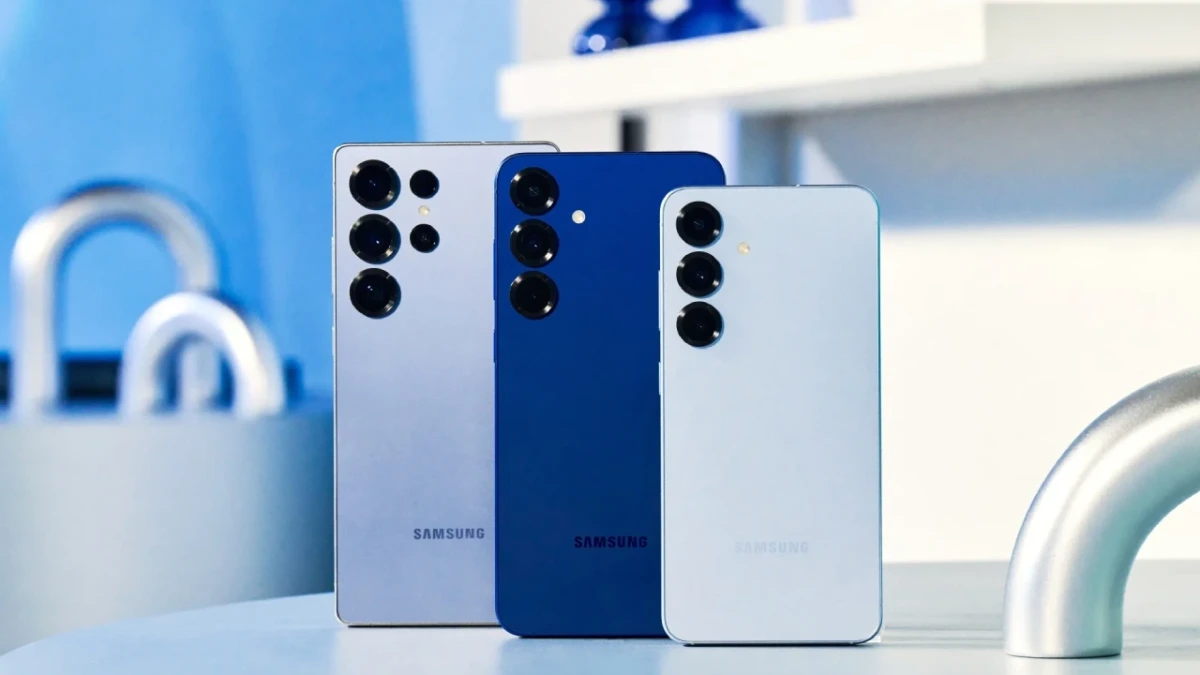
    Samsung’s Next Big Launch: 5 New Devices Including Galaxy S26 Series, Watch Ultra 9 and 2 Tipped for February

    The tech world is buzzing as Samsung prepares for its first major ‘Galaxy Unpacked’ event of 2026. While the spotlight is firmly on the flagship Galaxy S26 series, new leaks suggest a much larger showcase. Rumoured for 25 February 2026 in San Francisco, the event could see the debut of up to five new devices, ranging from ultra-premium smartphones to next-gen wearables and tablets.

    The Showstopper: Galaxy S26 Ultra’s Bold New Look

    Samsung is expected to kick off the launch with the Galaxy S26 Ultra, which is tipped for its most significant design refresh in years. Moving away from the sharp, boxy aesthetic, leaks point to rounded corners for a better in-hand feel and a new camera module inspired by the Galaxy Z Fold 7.

    • Under the Hood: A split-chipset strategy continues. Some regions will receive the Snapdragon 8 Elite Gen 5, while others will get Samsung’s own Exynos 2600.
    • The Display: A massive 6.9-inch QHD+ AMOLED screen featuring ‘M14’ panel technology for superior efficiency. A new inbuilt privacy feature is also rumoured, designed to hide sensitive content from side-viewing onlookers.
    • Power & Charging: While the 5,000mAh battery remains, Samsung may finally answer fans’ prayers with 65W wired fast charging.

    Standard Galaxy S26 & S26 Plus: Refined Performance

    The standard and Plus models aren’t being left behind. Both are expected to adopt the unified camera island seen on the Ultra, creating a consistent look across the family.

    FeatureGalaxy S26Galaxy S26 Plus
    Display6.3-inch 120Hz AMOLED6.7-inch 120Hz AMOLED
    Battery4,300mAh (Upgraded)4,900mAh
    Main Camera50-megapixel50-megapixel
    ChipsetSnapdragon 8 Elite G5 / Exynos 2600Snapdragon 8 Elite G5 / Exynos 2600

    Note: Earlier rumours suggested the ‘Plus’ might be rebranded as an ‘Edge’ model, but recent database leaks confirm that the Plus moniker is here to stay for 2026.

    Wearables: Galaxy Watch 9 and Watch Ultra 2

    Samsung’s wearable ecosystem is set for a double upgrade. Spotted in the GSMA database, the Galaxy Watch 9 (SM-L345) and Galaxy Watch Ultra 2 (SM-L716) are tipped for an earlier-than-expected reveal.

    While full specs are under wraps, industry insiders expect a major focus on on-device AI health metrics and improved battery longevity to compete with the latest Apple Watch Ultra.

    The Tablet Twist: Galaxy Tab S12 Series

    In a surprise move, Samsung appears to be skipping a standard Tab S12 in favour of two high-end models:

    1. Galaxy Tab S12 Plus: Returning after a brief hiatus to bridge the gap between portability and power.
    2. Galaxy Tab S12 Ultra: Expected to be a “laptop killer” with a rumoured 14.6-inch display and pro-grade multitasking features.

    Summary of Leaked Devices

    • Galaxy S26 Ultra (The Flagship)
    • Galaxy S26 & S26 Plus (The Daily Drivers)
    • Galaxy Watch 9 & Watch Ultra 2 (The Wearables)
    • Galaxy Tab S12 Plus & S12 Ultra (The Tablets)

    With the event reportedly just weeks away, Samsung is looking to dominate the 2026 mobile landscape with a diverse portfolio that blends AI-driven privacy, faster charging, and a long-overdue design overhaul.

  • China Bans Hidden Door Handles: Safety Over Style in the World’s Largest EV Market

    China Bans Hidden Door Handles: Safety Over Style in the World’s Largest EV Market

    In a bold move that prioritises passenger safety over futuristic aesthetics, China has officially moved to outlaw the sleek, “hidden” door handles that have become a trademark of modern electric vehicles. The decision, announced by the Ministry of Industry and Information Technology (MIIT), marks a significant shift for the global automotive industry.

    Why the Crackdown?

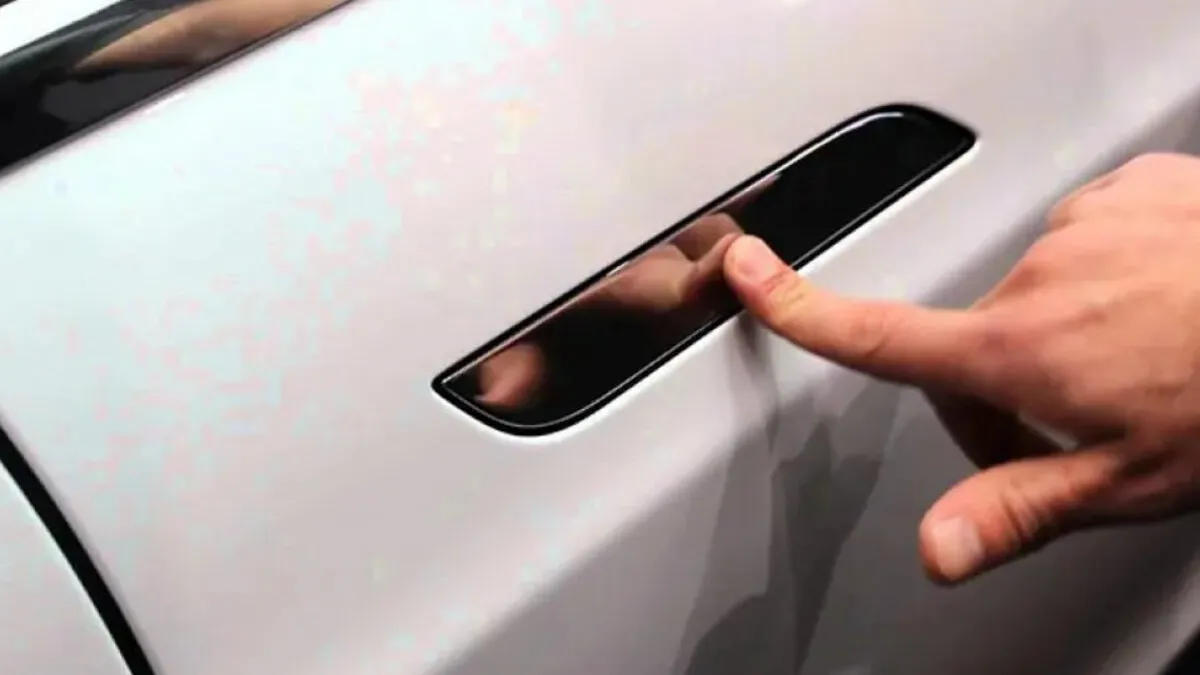
    The ban follows a series of high-profile and tragic accidents where electronic door mechanisms failed after collisions. Popularised by Tesla and adopted by dozens of Chinese brands like Xiaomi and BYD, these flush-fitting handles rely on electrical power to “pop out.”

    However, in several crash scenarios—most notably involving a burning Xiaomi SUV in Chengdu—power failures meant the handles remained retracted. This left occupants trapped inside and prevented rescuers from opening the doors from the outside during the critical “golden minutes” of rescue.

    The New Rules: What’s Changing?

    The new mandatory national standard, GB 48001-2026, sets strict technical requirements for all passenger cars and light commercial vehicles:

    • Mandatory Mechanical Release: Every door (excluding the tailgate) must feature a mechanical release function that works independently of the car’s electrical system.
    • Physical Grip Space: External handles must provide a hand-operable space of at least 60mm x 20mm x 25mm in any state. This effectively ends the era of fully hidden, flush designs.
    • Emergency Access: Doors must be openable without tools even after a battery fire or severe impact.
    • Internal Visibility: Inside the cabin, manual door releases must be clearly marked with permanent graphic labels for easy identification during a panic.

    Timeline and Industry Impact

    The regulation won’t disappear overnight, but the clock is ticking for manufacturers:

    1. January 1, 2027: All newly developed car models launched in China must comply.
    2. January 1, 2029: A grace period ends for existing models already on sale; they must be redesigned or face a ban.

    Who is affected? Currently, around 60% of the top 100 best-selling New Energy Vehicles (NEVs) in China use hidden handles. Giants like Tesla (Model 3 and Model Y), NIO, and XPeng will be forced to rethink their global design language. Industry experts believe that because China is the world’s largest car market, these standards will likely become the “informal” global benchmark, as keeping two separate door designs for different regions is costly for manufacturers.

    Did You Know? A 2024 crash test report showed that electronic hidden handles had only a 67% success rate of deploying after a side impact, compared to 98% for traditional mechanical handles.

    A Global Precedent

    While the US and Europe have flagged similar safety concerns, China is the first to formalise them into law. This move signals China’s growing role as a “rule-setter” in the EV era, shifting the focus from how a car looks to how easily one can escape it.

  • No Headlights, Only Adrenaline! TVS Files Design Patent for RTR HyprStunt: Check Out the Features

    No Headlights, Only Adrenaline! TVS Files Design Patent for RTR HyprStunt: Check Out the Features

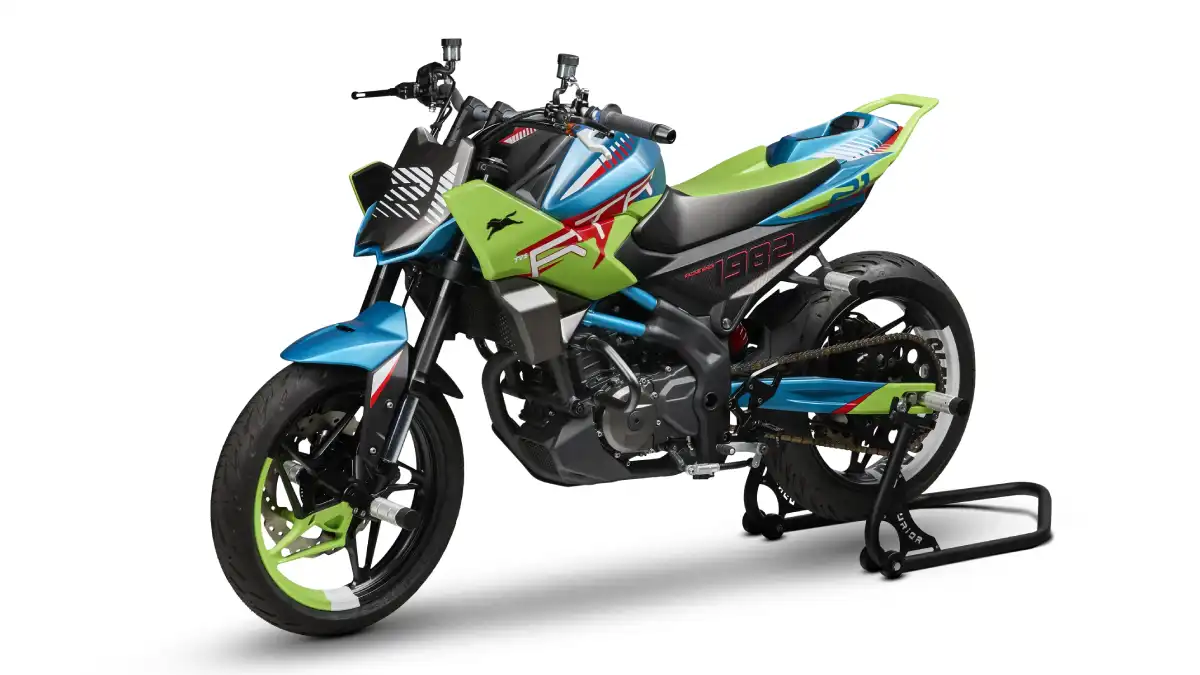
    The Indian two-wheeler giant, TVS Motor Company, has officially filed a design patent for the RTR HyprStunt Concept in India. First unveiled at the EICMA 2025 show in Italy, this radical machine is not your average street bike; it is a purpose-built beast designed specifically for professional stunt riding and urban aggression.

    Purpose-Built for the Arena

    The RTR HyprStunt is a clear reflection of TVS’s “Track to Road” philosophy, but with a twist. Unlike the mass-market Apache series, this bike is stripped of road-legal necessities to prioritize performance and agility in a stunt environment.

    Key Design Highlights:

    • Headlight-Free Design: To shed weight, the bike lacks a headlamp—a common move for stunt bikes since performance arenas are usually well-lit.
    • Advanced Braking: The patent reveals a custom braking setup, including line lockers and a hand-operated rear brake on the handlebar, allowing riders to maintain control during complex tricks.
    • Stunt Ergonomics: It features axle-mounted footpegs (front and rear) and a specially designed rear grab rail that doubles as a foothold for wheelies.
    • Unique Styling: The tank shrouds are angled upwards, breaking the traditional downward-sloping design trend, likely to provide better grip for the rider during vertical stunts.

    Performance: The Heart of the Beast

    While official specs for the production version are yet to be confirmed, the patent images suggest that the HyprStunt will be powered by TVS’s latest high-performance engine.

    FeatureDetails (Expected)
    Engine299.1cc, Single-Cylinder, Liquid-Cooled (RT-XD4)
    Power35.5 – 36 PS
    Torque28.5 Nm
    Gearbox6-Speed with Slipper Clutch
    ChassisSteel Trellis Frame with USD Front Forks

    Will You Be Able to Buy It?

    Since the bike lacks a headlight and other mandatory road-legal hardware, it is unlikely to be a mainstream product. Industry experts suggest that TVS might launch the RTR HyprStunt as a limited-edition “Track/Stunt Only” model for professional performers and enthusiasts.

    However, don’t be surprised if the aggressive design and some of these “Supermoto” elements find their way into a future road-legal Apache variant.

    Note: The filing of a patent confirms that TVS is serious about protecting this innovation, bringing it one step closer to becoming a reality by late 2026.