Category: Automobile

  • “Is That Really an Avante?” The Hyundai Avante CN8 Rear Design is Crossing into Luxury Territory

    “Is That Really an Avante?” The Hyundai Avante CN8 Rear Design is Crossing into Luxury Territory

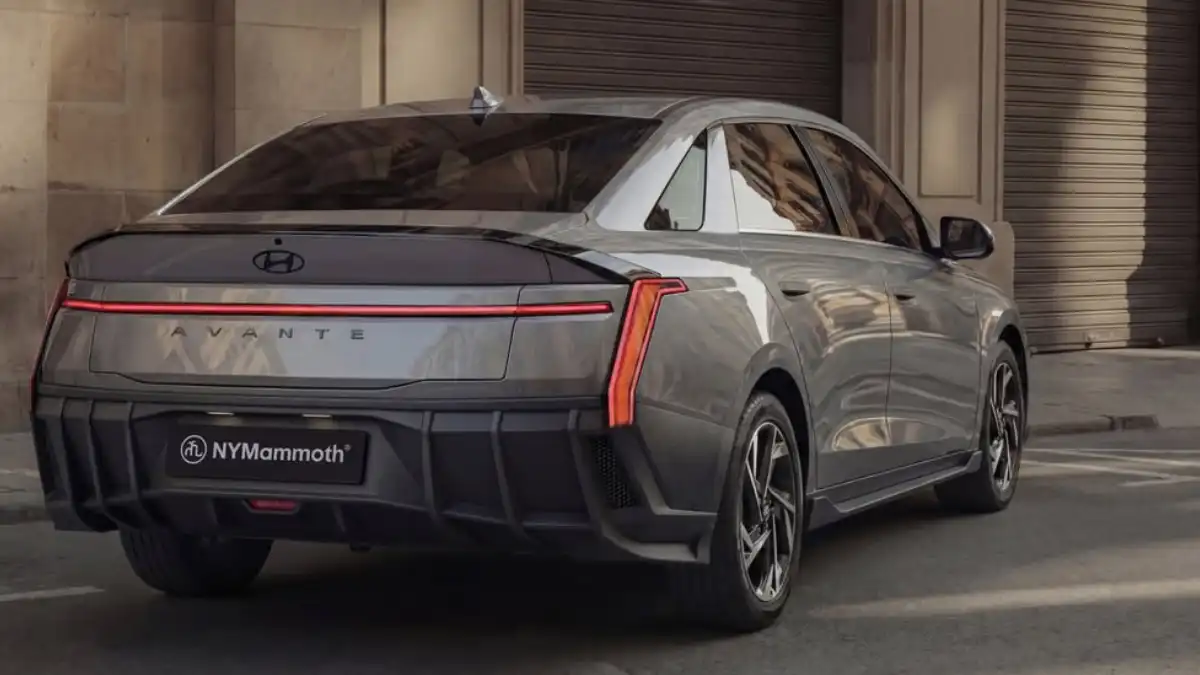
    When we think of a “compact sedan,” we usually imagine something practical, modest, and safe. But the moment you lay eyes on the all-new Hyundai Avante CN8 (Elantra), that label feels completely out of place.

    The latest renders and spy shots of the CN8 full redesign—particularly the rear view—suggest that Hyundai isn’t just updating a car; they are redefining the entire segment. This isn’t a mere generational update; it’s a total takeover of the luxury sedan aesthetic.

    The Rear View: Where the Magic Happens

    If the front of a car is its face, the rear is its closing statement. And the Avante CN8’s statement is loud and clear. Here is why the rear design is the talk of the automotive world:

    • Traditional Proportions, Modern Twist: Hyundai has reinterpreted the classic sedan silhouette. The roofline flows seamlessly into the trunk, creating a sleek, coupe-like profile that mimics high-end grand tourers.
    • The “Low and Wide” Stance: By utilizing a horizontal light bar that spans the entire width of the car, complemented by sharp vertical accents, the CN8 looks lower to the ground and significantly wider. This gives it a planted, aggressive stance usually reserved for sports sedans.
    • N-Inspired Aggression: You don’t need to buy the high-performance ‘N’ model to feel the heat. Even the base design carries the “N DNA,” featuring a sharp rear diffuser and aerodynamic lines that scream performance.

    Heritage Meets Future: The N Vision 74 Influence

    The design isn’t just random; it’s deeply rooted in Hyundai’s recent “Newtro” (New + Retro) philosophy.

    Hyundai Avante (Elantra) CN8: Expected Features at a Glance

    FeatureDescription
    Design Language“Parametric Dynamics” with N Vision 74 influence
    LightingFull-width LED ‘H-Tail Lamp’ with vertical elements
    InteriorPanoramic Dual 12.3-inch screens & Pleos Connect system
    Powertrain1.6L Petrol, Hybrid, and a rumored 2.5L Turbo for the N model
    Global DebutExpected Late 2026 (as a 2027 Model)

    Breaking the “Compact” Ceiling

    With the CN8, the Avante is officially “punching up.” It touches the territory of its older sibling, the Sonata, and even challenges entry-level luxury brands in terms of visual impact.

    By prioritizing a “Low and Wide” design and integrating high-performance aesthetics into the standard trim, Hyundai is betting that the modern driver wants more than just a commute—they want a design icon.

    The big question remains: When this hits the streets next year, will people even realize they are looking at an Avante, or will they mistake it for something far more expensive?
  • The Legend Returns: 9th Gen Hyundai Sonata Confirmed with ‘N Vision 74’ DNA and Game-Changing EREV Tech!

    The Legend Returns: 9th Gen Hyundai Sonata Confirmed with ‘N Vision 74’ DNA and Game-Changing EREV Tech!

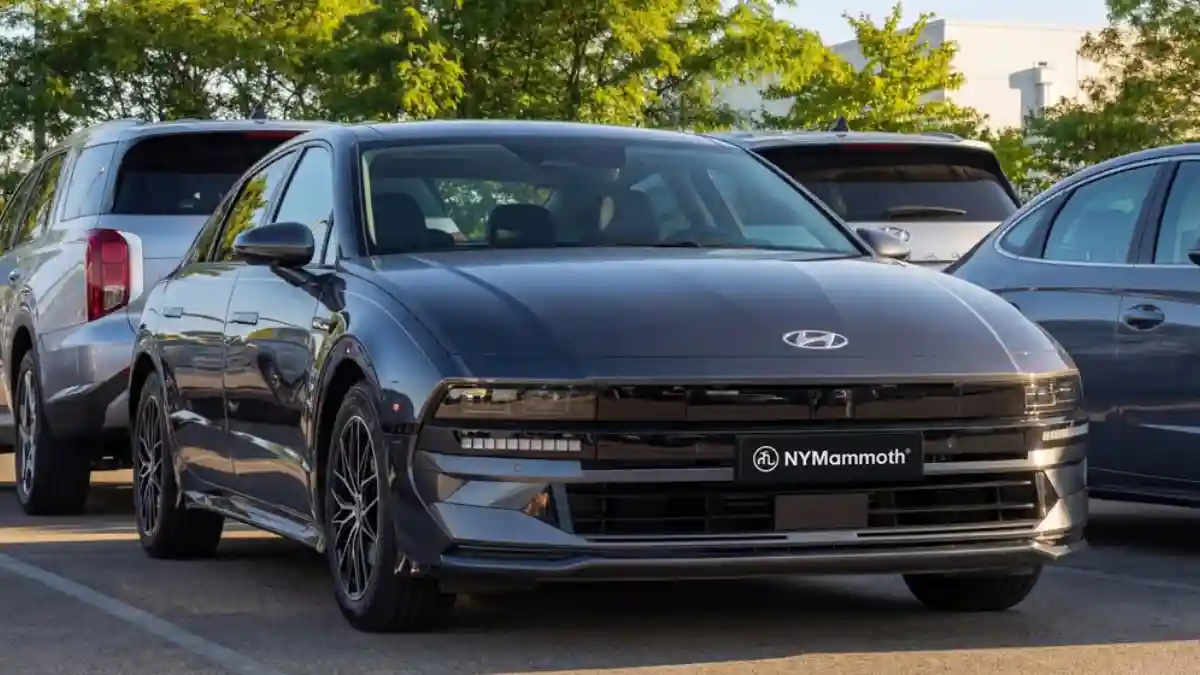
    In an era dominated by SUVs, Hyundai is making a bold statement: the sedan is striking back. Hyundai has officially confirmed the development of the 9th Generation Sonata, and it’s not just a simple refresh. This upcoming masterpiece is set to redefine the “Newtro” (New + Retro) aesthetic, blending the iconic heritage of the 1st-gen Sonata with the futuristic edge of the N Vision 74.

    Here is everything we know about the 9th-gen Sonata that is already sending shockwaves through the automotive world.

    Design: Where Heritage Meets the Future

    The 9th-gen Sonata is moving away from the “curvy” look of recent years and embracing a sharper, more aggressive silhouette.

    • Retro DNA: Design renders suggest the car will take inspiration from the 1st Generation Sonata’s bold, angular lines. It’s a nod to the past that feels incredibly modern.
    • N Vision 74 Influence: Expect the sharp, wedge-like design language seen in the award-winning N Vision 74 concept to bleed into the Sonata’s new bodywork.
    • Pixel Lamp Signature: Hyundai will integrate its iconic Seamless Horizon ‘Pixel Lamps’, giving the car a digital, high-tech identity that stands out in the dark.

    Powertrain Revolution: The Rise of EREV

    Perhaps the biggest news isn’t the design, but what’s under the hood. Hyundai is looking beyond traditional engines and standard hybrids.

    • EREV (Extended Range Electric Vehicle): Rumors are swirling that the 9th-gen Sonata could feature EREV technology. Unlike a standard hybrid, an EREV uses a small gasoline engine solely as a generator to charge the battery, offering a pure electric driving feel with a total range that could exceed 1,000 km.
    • High-Efficiency Hybrids: For those not ready for the EREV jump, a next-gen high-efficiency hybrid system will remain a core part of the lineup, focusing on record-breaking fuel economy.

    Interior: A Digital Mobility Icon

    Inside, the Sonata is evolving from a “family car” to a “mobility hub.”

    • Next-Gen Infotainment: Expect a massive curved display running Hyundai’s latest ccNC (connected car Navigation Cockpit) software.
    • Eco-Friendly Luxury: The cabin will likely feature sustainable materials, recycled plastics, and vegan leather, aligning with Hyundai’s carbon-neutral goals.

    9th Gen Hyundai Sonata: What to Expect

    FeatureDetails (Expected)
    Design Language‘Newtro’ – Blend of 1st Gen & N Vision 74
    LightingSignature Parametric Pixel LED Lamps
    New Engine TechEREV (Extended Range EV) & Gen-2 Hybrids
    Range (EREV)Potentially over 1,000 km per charge/tank
    PlatformAdvanced Third-Gen Platform (Optimized for EV/EREV)
    Target AudienceDesign-conscious buyers & Tech enthusiasts

    Why This Matters: The ‘Sedan Strike Back’

    For years, the Sonata was seen as a “safe, sensible choice.” With the 9th generation, Hyundai is transforming it into a design icon. By combining nostalgia (Heritage) with cutting-edge tech (EREV), Hyundai is proving that the sedan can be just as exciting, if not more so, than any SUV on the market.

    Launch Timeline: While official dates are still under wraps, the 9th-gen Sonata is expected to make its global debut in late 2026, with a market launch following in 2027.

    What do you think about Hyundai’s new ‘Newtro’ direction? Is the angular, pixel-heavy design the right move for the Sonata? Let us know your thoughts!

  • 3rd-Gen Hyundai Creta Leaks: Bold Nexo-Inspired Design and Hybrid Power Tipped for 2027 Launch!

    3rd-Gen Hyundai Creta Leaks: Bold Nexo-Inspired Design and Hybrid Power Tipped for 2027 Launch!

    The undisputed “King of SUVs” is preparing for its next big evolution. While the current second-gen facelift continues to dominate Indian roads, the first-ever spy shots of the third-generation Hyundai Creta have surfaced online in February 2026.

    Based on these sightings, digital artists have created stunning renders that suggest a radical design reset for the mid-size SUV. Here is your first look at what to expect from the 2027 Hyundai Creta.

    Design: A Futuristic ‘Nexo’ Style Makeover

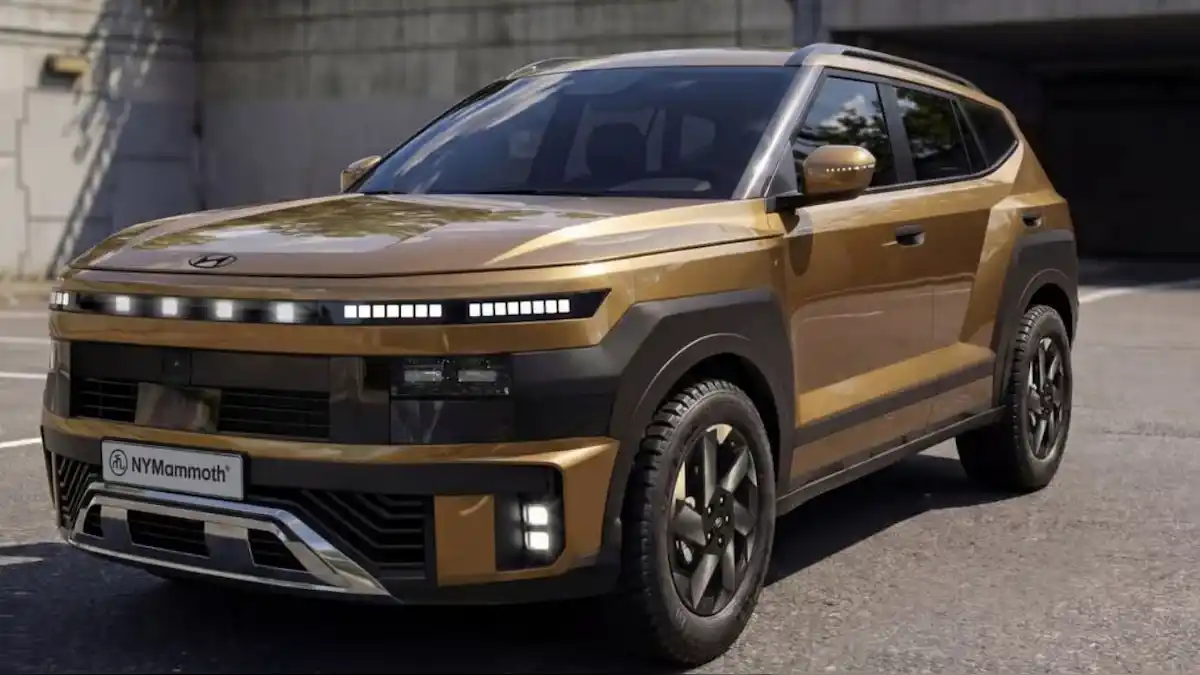
    The latest renders show a significant departure from the current “boxy yet curvy” look. The 3rd-gen Creta appears to draw heavy inspiration from the Hyundai Nexo and the global Palisade.

    • Front Fascia: The traditional large grille is replaced by a cleaner, more upright face featuring pixel-style LED lighting. A sleek, full-width LED DRL bar sits high on the hood, with quad-beam LED headlamps positioned lower on the bumper.+1
    • Side Profile: The SUV looks noticeably larger and more muscular. It features flush-type door handles, chunky 18-inch (or potentially 19-inch) alloy wheels, and a more pronounced roof spoiler.
    • Rear Look: Expect a tech-forward rear with connected LED tail lamps that mirror the pixelated signature seen on the front.

    Platform and Safety: The Move to K3

    The 3rd-gen Creta is expected to migrate to the new K3 platform, which also underpins the next-gen Kia Seltos.

    • Bigger Dimensions: This shift will likely result in a longer wheelbase and more interior space, especially in the second row.
    • Safety First: With a stronger chassis, Hyundai is reportedly aiming for a 5-star safety rating (BNCAP/GNCAP). Level 2 ADAS will likely be standard across higher variants.

    The Game Changer: Hybrid Power

    For the first time, the Creta is expected to go green without going fully electric.

    • Strong Hybrid Engine: Alongside the tried-and-tested 1.5L petrol and diesel engines, Hyundai is tipped to introduce a 1.5L strong hybrid powertrain. This could offer a staggering mileage of 25–30 kmpl, making it a nightmare for its rivals.
    • Existing Options: The 160hp 1.5L Turbo-petrol and the 115hp Diesel will continue to cater to enthusiasts and long-distance drivers.

    Quick Look: Expected Specifications

    FeatureDetails (Expected)
    PlatformNew K3 Platform (Shared with Seltos)
    Design LanguageNexo-inspired Futuristic Pixel Design
    Engine Options1.5L Petrol, 1.5L Diesel, 1.5L Turbo & New Strong Hybrid
    Transmission6MT, IVT, 6AT, and 7-speed DCT
    Key FeaturesDual 12.3-inch Screens, Panoramic Sunroof, Level 2 ADAS
    Estimated LaunchEarly 2027 (Unveil in Late 2026)

    Launch Timeline and Pricing

    While the test mules have just started appearing in South Korea, the 3rd-gen Hyundai Creta is expected to make its global debut in the second half of 2026.

    • India Launch: Likely between January and March 2027.
    • Expected Price: Due to the hybrid tech and premium features, the price could range between ₹12.50 lakh and ₹25 lakh (ex-showroom).
  • China Bans Hidden Door Handles: Safety Over Style in the World’s Largest EV Market

    China Bans Hidden Door Handles: Safety Over Style in the World’s Largest EV Market

    In a bold move that prioritises passenger safety over futuristic aesthetics, China has officially moved to outlaw the sleek, “hidden” door handles that have become a trademark of modern electric vehicles. The decision, announced by the Ministry of Industry and Information Technology (MIIT), marks a significant shift for the global automotive industry.

    Why the Crackdown?

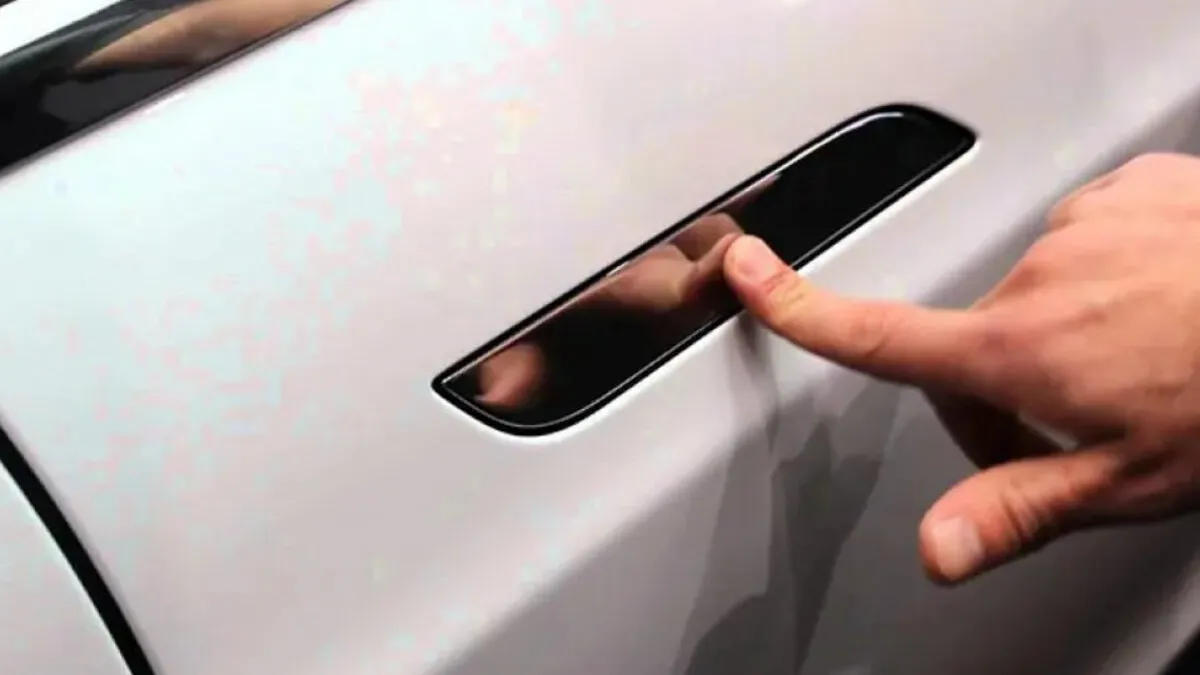
    The ban follows a series of high-profile and tragic accidents where electronic door mechanisms failed after collisions. Popularised by Tesla and adopted by dozens of Chinese brands like Xiaomi and BYD, these flush-fitting handles rely on electrical power to “pop out.”

    However, in several crash scenarios—most notably involving a burning Xiaomi SUV in Chengdu—power failures meant the handles remained retracted. This left occupants trapped inside and prevented rescuers from opening the doors from the outside during the critical “golden minutes” of rescue.

    The New Rules: What’s Changing?

    The new mandatory national standard, GB 48001-2026, sets strict technical requirements for all passenger cars and light commercial vehicles:

    • Mandatory Mechanical Release: Every door (excluding the tailgate) must feature a mechanical release function that works independently of the car’s electrical system.
    • Physical Grip Space: External handles must provide a hand-operable space of at least 60mm x 20mm x 25mm in any state. This effectively ends the era of fully hidden, flush designs.
    • Emergency Access: Doors must be openable without tools even after a battery fire or severe impact.
    • Internal Visibility: Inside the cabin, manual door releases must be clearly marked with permanent graphic labels for easy identification during a panic.

    Timeline and Industry Impact

    The regulation won’t disappear overnight, but the clock is ticking for manufacturers:

    1. January 1, 2027: All newly developed car models launched in China must comply.
    2. January 1, 2029: A grace period ends for existing models already on sale; they must be redesigned or face a ban.

    Who is affected? Currently, around 60% of the top 100 best-selling New Energy Vehicles (NEVs) in China use hidden handles. Giants like Tesla (Model 3 and Model Y), NIO, and XPeng will be forced to rethink their global design language. Industry experts believe that because China is the world’s largest car market, these standards will likely become the “informal” global benchmark, as keeping two separate door designs for different regions is costly for manufacturers.

    Did You Know? A 2024 crash test report showed that electronic hidden handles had only a 67% success rate of deploying after a side impact, compared to 98% for traditional mechanical handles.

    A Global Precedent

    While the US and Europe have flagged similar safety concerns, China is the first to formalise them into law. This move signals China’s growing role as a “rule-setter” in the EV era, shifting the focus from how a car looks to how easily one can escape it.

  • The Fortuner Killer? MG Rakan 4×4 Debuts Globally; Here’s What to Expect from the Upcoming India-Spec Majestor!

    The Fortuner Killer? MG Rakan 4×4 Debuts Globally; Here’s What to Expect from the Upcoming India-Spec Majestor!

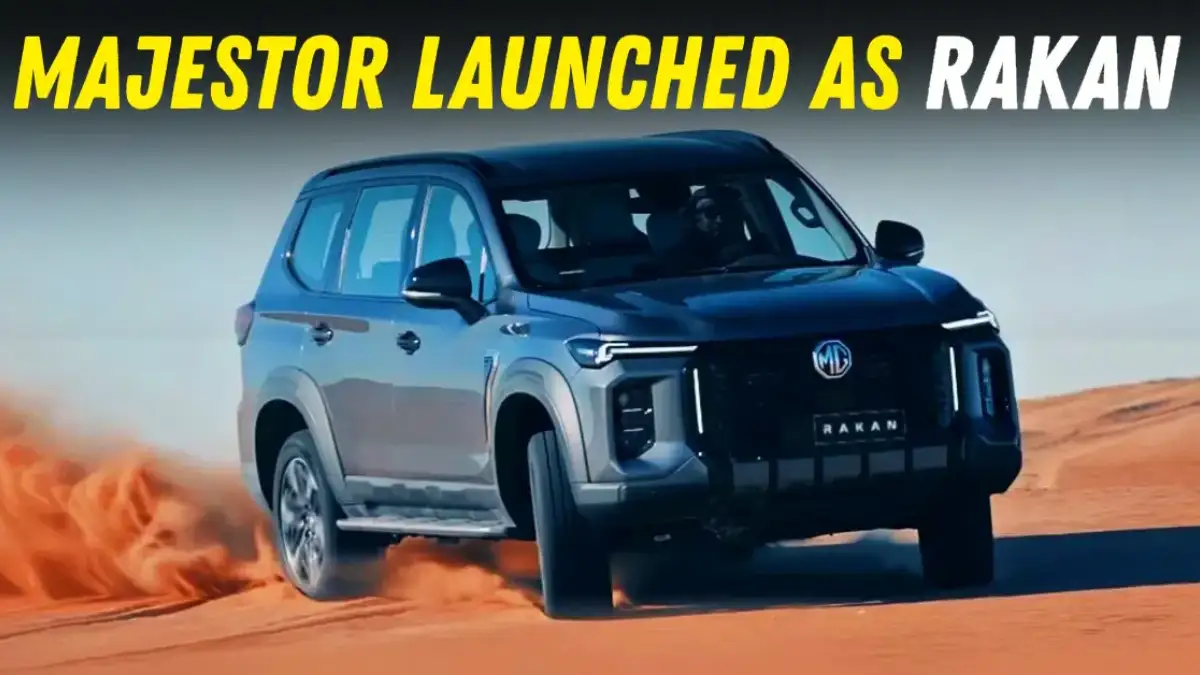
    Just ahead of its official India launch, MG Motor has introduced its new flagship SUV in the Middle East under a different nameplate. The MG Rakan 4×4 has gone on sale in Kuwait, offering a first look at what’s expected to be the MG Majestor in India — a rugged, full-size SUV designed to compete with segment leaders.

    Rakan 4×4: Middle East’s New 4×4 SUV

    Kuwait has become the first global market to receive this updated SUV, where it is sold as the MG Rakan 4×4 — the first MG vehicle to carry an Arabic name, derived from the word meaning “strength” or “foundation.” MG confirms this nameplate is permanent for the Middle East, not a limited edition, reflecting the brand’s regional strategy.

    The Rakan’s design highlights a rugged and modern exterior with a bold gloss-black grille, slim LED daytime running lights mounted high, and a muscular bumper with silver skid plates, presenting a confident road presence.

    Interior and Features

    Inside, the SUV’s cabin exhibits dual-tone brown and white leather, adding a premium feel. The feature list includes a 12.3-inch touchscreen infotainment system, fully digital instrument cluster, powered and ventilated front seats with massage functions, multi-zone climate control, rear AC vents, twin wireless charging pads, and a 12-speaker JBL premium audio system — suggesting that the India-bound Majestor will also offer a similarly rich set of amenities.

    Engine and Performance

    Under the hood, the Kuwait-spec Rakan 4×4 is powered by a 2.0-litre turbo-diesel engine producing around 250 bhp and 500 Nm of torque, paired with an 8-speed ZF automatic transmission and a full-time AWD system with differential locks and multiple terrain modes.

    For the Indian market, the upcoming MG Majestor is expected to use a slightly tuned version of this powertrain — likely the 2.0-litre twin-turbo diesel engine making around 215 bhp and 478 Nm, also coupled with an 8-speed automatic and 4WD system.

    India Launch on February 12, 2026

    MG has confirmed the India launch of the Majestor on February 12, 2026, positioning it as the brand’s flagship SUV in the country. It will sit above the existing Gloster in the lineup and aim at premium rivals such as the Toyota Fortuner, Volkswagen Tayron, Skoda Kodiaq, and Jeep Meridian.

    The Majestor is expected to feature a modern design language, advanced technology and connectivity, and a feature-packed interior with safety and comfort-focused equipment — making it a compelling choice for buyers in the full-size SUV segment.

    Expected Pricing and Positioning

    Although official India pricing is yet to be announced, industry forecasts place the MG Majestor in the ₹40–45 lakh range (ex-showroom), making it a strong contender for buyers seeking a premium diesel SUV with robust capability and up-market features.

    This early Middle East debut of the Rakan 4×4 not only previews what Indian buyers can expect later this month but also reflects MG’s global strategy of adapting its flagship SUV to different regional markets while maintaining core design and performance DNA.

  • FIRST LOOK: Audi Reveals the Stunning R26, Their New Car for 2026 F1 Season

    FIRST LOOK: Audi Reveals the Stunning R26, Their New Car for 2026 F1 Season

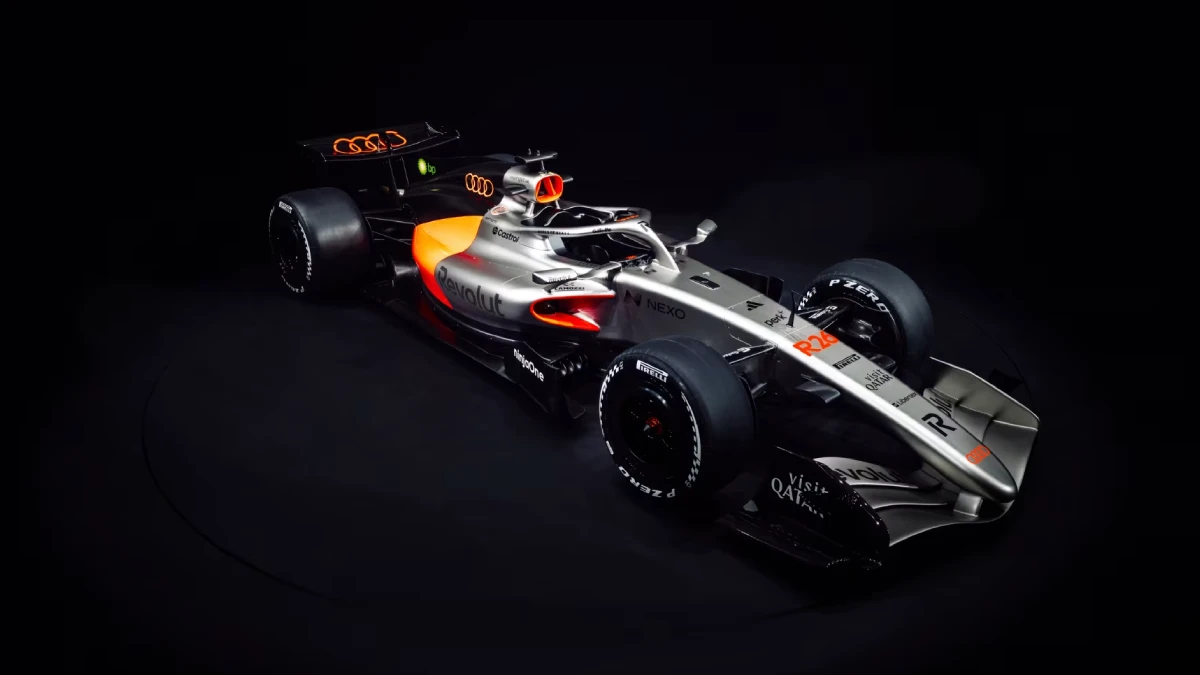
    The wait is officially over for motorsport fans. In a high-voltage launch event held at the historic Kraftwerk power station in Berlin, Audi has pulled back the curtain on its first-ever factory Formula 1 car: the Audi R26.

    Marking the brand’s highly anticipated entry into the pinnacle of racing, the reveal signals a new era for both the German manufacturer and the sport itself as it transitions to radical new regulations in 2026.

    A Bold New Identity: The R26 Livery

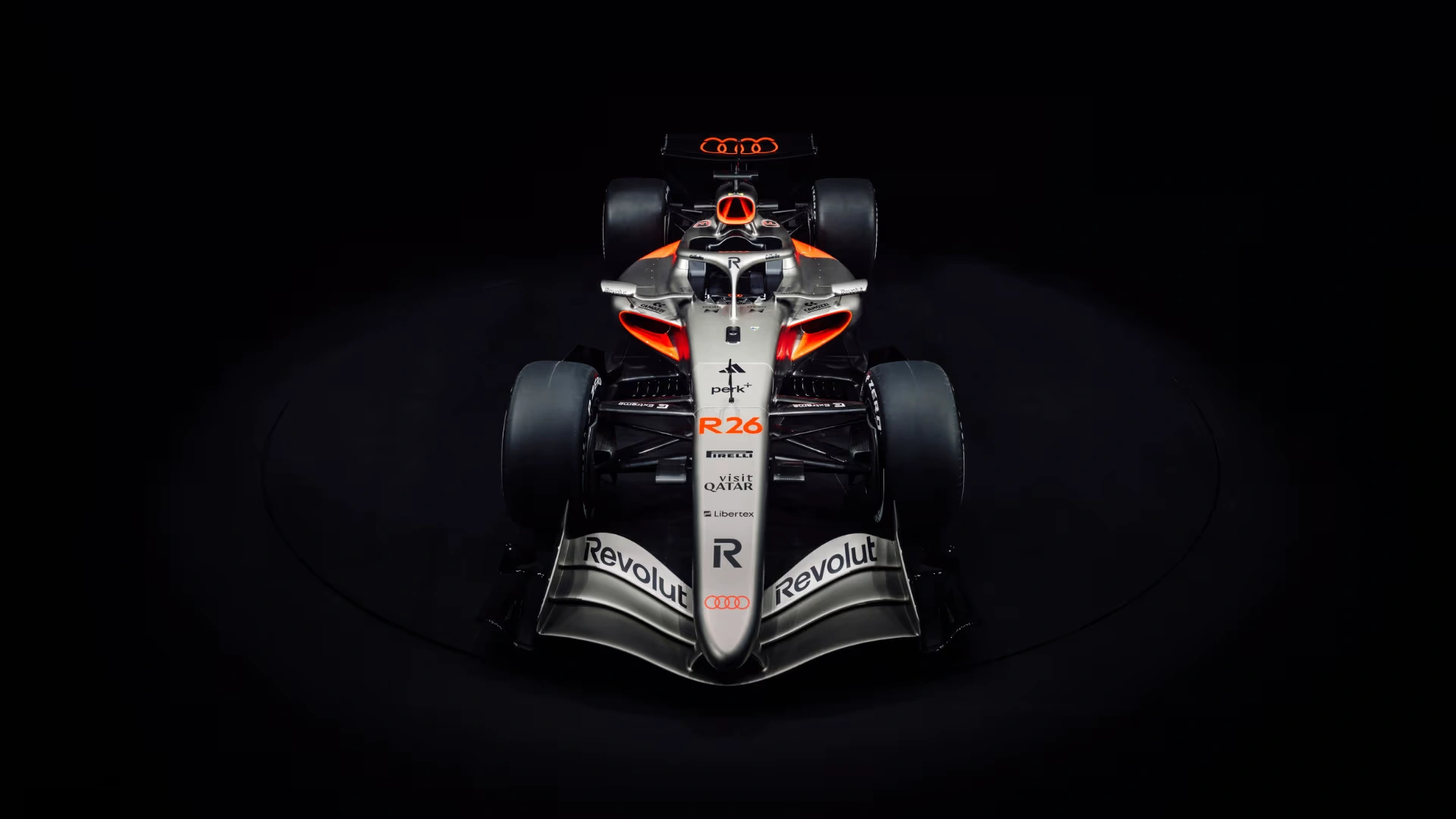
    The Audi Revolut F1 Team debuted a visual identity that is as aggressive as it is elegant. Moving away from the camouflage patterns seen on earlier concept models, the final race livery features:

    • Titanium Silver: A sophisticated base that pays homage to Audi’s racing heritage.
    • Carbon Black: Exposed sections used strategically to shave off every possible milligram of weight.
    • Lava Red Accents: High-visibility streaks and a prominent red Audi logo on the nosecone for a modern, digital-first look.

    “This car is the physical embodiment of thousands of hours of work from our facilities in Germany, Switzerland, and the UK,” said Team Principal Jonathan Wheatley. “Today, we start this journey with pride and humility.”

    Engineered for the Future: ‘Power Units Made in Germany’

    The R26 is more than just a chassis; it is a full “works” effort. For the first time in a decade, a Formula 1 engine has been developed entirely on German soil at Audi’s Neuburg facility.

    • Equalized Power: The R26’s hybrid system triples the electric output to 350kW, creating a near 50/50 split with the 1.6-liter V6 turbocharged engine.
    • 100% Sustainable Fuel: Developed in partnership with bp, the engine will run entirely on advanced sustainable fuels.
    • Active Aerodynamics: The car features the new-for-2026 movable front and rear wings, designed to balance drag and downforce in real-time.

    The 2026 Lineup: A Mix of Experience and Youth

    Audi enters the grid with a driver pairing designed to maximize the R26’s development:

    1. Nico Hülkenberg: The veteran German driver brings over 250 Grands Prix of experience and a reputation for technical feedback.
    2. Gabriel Bortoleto: The Brazilian sensation—and former F3 and F2 champion—represents the future of the Audi project.

    The Road to Melbourne: Testing Underway

    Audi isn’t wasting any time. The R26 has already hit the track for a secret filming day at the Circuit de Barcelona-Catalunya, becoming the first 2026-spec car to run in public.

    While project lead Mattia Binotto admits the team has a “very, very long list” of tasks to complete before the season opener in Australia on March 8, the ambition is clear: Audi aims to be a World Championship contender by 2030.

    Quick Stats: The Audi R26

    FeatureSpecification
    EngineAudi AFR 26 Hybrid (1.6L V6 Turbo)
    Electric Output350kW (Approx. 470hp)
    Minimum Weight770kg (2026 Regulation)
    Fuel Partnerbp Ultimate Sustainable
    Title PartnerRevolut
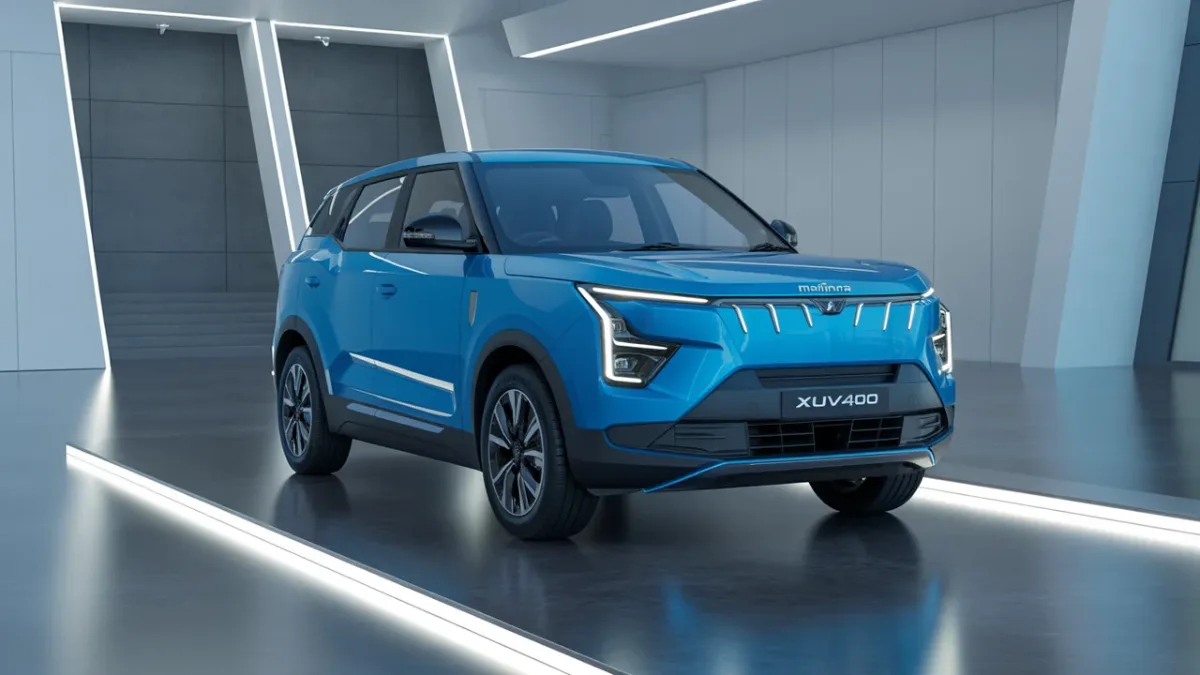
  • 0 to 100 in 8.3 Seconds! Why Mahindra XUV400 EV is the Undisputed Speed King Under ₹20 Lakh

    0 to 100 in 8.3 Seconds! Why Mahindra XUV400 EV is the Undisputed Speed King Under ₹20 Lakh

    While Mahindra is expanding its “XEV” and “BE” electric lineups, the Mahindra XUV400 EV remains a solid, performance-oriented choice for those who value speed and space. For 2026, the XUV400 EV continues to impress with its updated “Pro” variants, offering a more refined cabin and a tech-heavy dashboard that brings it right back into the competition.

    If you want an electric SUV that feels like a “proper car” and not just a gadget on wheels, the XUV400 EV is worth a look.

    1. 2026 Price List: Competitive & Accessible

    Mahindra has streamlined the pricing for the XUV400 EV, making it an attractive alternative to both the Tata Nexon EV and the MG Windsor EV.

    VariantBattery PackEx-Showroom Price
    EC Pro (Base)34.5 kWh₹15.49 Lakh
    EL Pro 34.534.5 kWh₹16.74 Lakh
    EL Pro 39.439.4 kWh₹17.49 Lakh
    EL Pro DT (Top)39.4 kWh₹17.69 Lakh

    Note: Prices are introductory and vary by city (Ex-showroom Delhi).

    2. Range and Battery Options

    The 2026 XUV400 EV offers two battery choices, ensuring there is a model for both city commuters and long-distance travelers.

    • Standard Range: The 34.5 kWh battery offers a claimed range of 375 km (MIDC), perfect for daily city runs and occasional weekend trips.
    • Extended Range: The 39.4 kWh battery pushes the range to an impressive 456 km (MIDC), making it a reliable highway companion.
    • Lightning Fast Performance: Both batteries power a motor that produces 150 PS and 310 Nm of torque. It can sprint from 0 to 100 kmph in just 8.3 seconds, making it one of the quickest EVs in its segment.+1

    3. The “Pro” Interior Update

    The biggest change in the latest model is the cabin. Mahindra has replaced the older dashboard with a much more modern layout:

    • Dual 10.25-inch Screens: One for the infotainment and one for the digital driver’s display, featuring crisp graphics and lag-free performance.
    • Dual-Zone Climate Control: A first-in-segment feature that allows the driver and passenger to set their own temperatures.
    • Wireless Tech: Enjoy Wireless Android Auto, Apple CarPlay, and a high-speed wireless phone charger.
    • Rear Comfort: Unlike many competitors, the XUV400 EV is 4.2 meters long, providing best-in-class cabin space and a generous 378-liter boot.

    4. Charging: Stay Powered Up

    Charging is no longer a hassle with the XUV400’s multiple options:

    1. 50 kW DC Fast Charger: 0 to 80% in just 50 minutes.
    2. 7.2 kW AC Wallbox: 0 to 100% in roughly 6.5 hours (Standard overnight charge).
    3. 3.3 kW Home Socket: Takes about 13 hours—ideal for emergency top-ups.

    5. Safety & Reliability

    Built with high-strength steel, the XUV400 EV is as rugged as any other Mahindra. Safety highlights include:

    • 6 Airbags in the top variants.
    • Disc Brakes on all four wheels for superior stopping power.
    • 8 Years/1,60,000 km Warranty on the battery and motor, giving you complete peace of mind.

    Why choose it? While newer EVs like the XUV 3XO EV offer more “gadgets,” the XUV400 EV offers more physical space and raw performance. It’s the EV for those who want a larger SUV feel without the massive price tag.

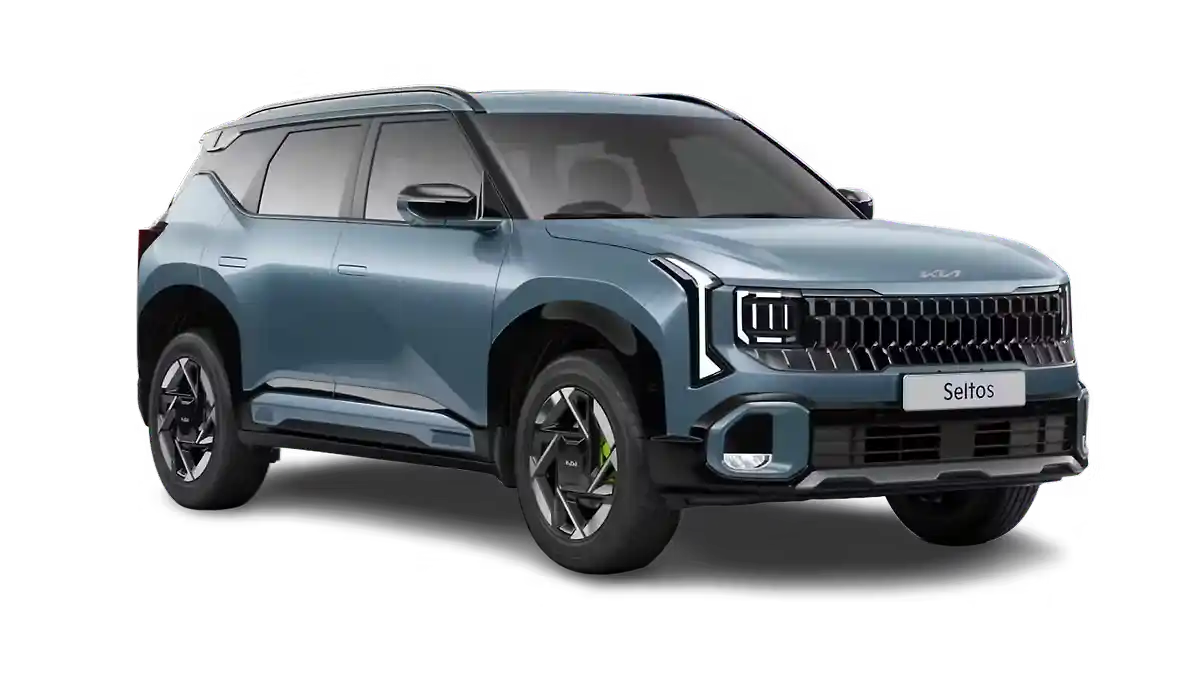
  • Killer Pricing Alert: 2026 Kia Seltos Arrives to Dethrone Hyundai Creta – Starts at Just ₹10.99 Lakh

    Killer Pricing Alert: 2026 Kia Seltos Arrives to Dethrone Hyundai Creta – Starts at Just ₹10.99 Lakh

    The wait is finally over! Kia India has officially launched the highly anticipated 2026 Kia Seltos, and it’s turning heads with a competitive starting price and a massive tech upgrade. Built on the brand-new K3 platform, the second-generation Seltos is bigger, bolder, and packed with features that were previously reserved for luxury cars.

    If you are looking for a mid-SUV that offers the perfect mix of “style” and “substance,” the 2026 Seltos might just be your next ride.

    1. 2026 Kia Seltos Price List (Ex-Showroom)

    Kia has managed to keep the entry-level pricing aggressive, making it a strong rival to the Hyundai Creta and the upcoming Renault Duster.

    Variant SeriesStarting Price (Ex-Showroom)Key Highlights
    HTE (Base)₹10.99 Lakh6 Airbags, ESC, Digital Cluster
    HTK / HTK+₹13.09 Lakh10.25” Touchscreen, Wireless Phone Projection
    HTX (Mid)₹15.76 LakhPanoramic Sunroof, Ventilated Seats
    GTX (Top)₹19.19 LakhADAS Level 2, 18-inch Alloys
    X-Line₹19.99 LakhMatte Finish, Stealth Black Accents

    Note: Prices vary based on engine and transmission choices (IVT, DCT, or Torque Converter).

    2. What’s New in Design?

    The 2026 model adopts Kia’s global “Opposites United” design language. It looks more muscular and premium than ever before.

    • Digital Tiger Face: A wider, gloss-black grille paired with Ice Cube LED projectors.
    • Star Map Lighting: The LED DRLs now flow into a full-width light bar at the rear.
    • Flush Door Handles: For the first time in this segment, the Seltos features automatic flush door handles that pop out when you approach the car.

    3. The “Trinity” Panoramic Display

    Inside, the dashboard has been completely transformed. The highlight is the 30-inch Trinity Panoramic Display, which seamlessly combines:

    1. 12.3-inch Digital Instrument Cluster
    2. 12.3-inch HD Infotainment System
    3. 5-inch Dedicated Climate Control Panel

    The cabin also gets an AI boost with built-in ChatGPT 5.0, allowing you to control car functions and ask complex questions through simple voice commands.

    4. Performance: Power of Choice

    Kia continues to offer the most diverse engine lineup in the segment, ensuring there is a Seltos for every type of driver.

    • 1.5L Naturally Aspirated Petrol: 115 PS | Best for city driving and fuel efficiency.
    • 1.5L Turbo Petrol: 160 PS | The most powerful in its class, paired with a lightning-fast 7-speed DCT.
    • 1.5L CRDi Diesel: 116 PS | The highway cruiser’s favorite, now with better refinement.

    5. Safety First: ADAS Level 2

    The 2026 Seltos is now one of the safest SUVs in India. It comes with 21 autonomous features as part of its ADAS Level 2 suite, including:

    • Adaptive Cruise Control with Stop & Go.
    • Front Collision-Avoidance Assist (Detects cars, pedestrians, and even cyclists).
    • Side Parking Sensors: A segment-first feature that helps in tight parking spots.
    • Standard Safety: 6 Airbags, All-wheel Disc Brakes, and TPMS are standard across all variants.

    The Verdict: With the 2026 update, the Kia Seltos has moved from being a “value-for-money” SUV to a “tech-heavy” premium machine. While the top-end variants touch the ₹20 lakh mark, the sheer amount of equipment on offer makes it hard to ignore.

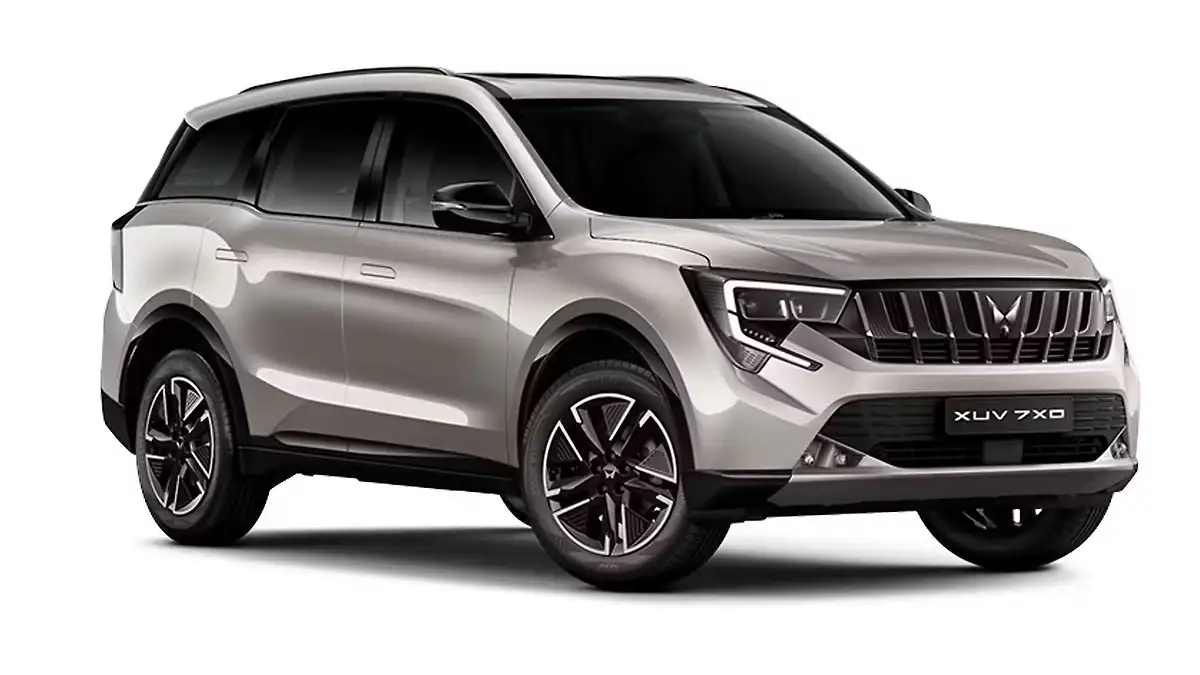
  • The Future is Here: Mahindra XUV 7XO Launched with Triple Screens and ChatGPT Integration!

    The Future is Here: Mahindra XUV 7XO Launched with Triple Screens and ChatGPT Integration!

    Mahindra has once again disrupted the premium SUV market by unveiling the much-anticipated Mahindra XUV 7XO. Launched on February 1, 2026, this isn’t just a facelift; it is a massive technological leap that redefines what a “smart SUV” should be. With its futuristic design, industry-leading tech, and robust performance, the XUV 7XO is set to become the new benchmark for luxury SUVs in India.

    1. Design: The “Vision X” Philosophy

    The XUV 7XO introduces Mahindra’s new design language, making it look sharper and more aerodynamic.

    • Illuminated Grille: The front features a new ‘Infinity’ grille with an illuminated Twin-Peaks logo.
    • Dynamic Lighting: New C-shaped LED DRLs with sequential indicators and a “Welcome & Goodbye” light animation.
    • Stealth Stance: It sits on larger 19-inch turbine-inspired alloy wheels, giving it an imposing road presence.

    2. Interior: A Digital Masterpiece

    The biggest highlight of the XUV 7XO is the “Digital Cockpit,” which makes the competition look decades old.

    FeatureSpecification
    DashboardTriple 12.3-inch Screens (Cluster, Infotainment, and Passenger Screen)
    Sound System16-Speaker Harman Kardon with 3D Surround Sound
    ConnectivityIn-built ChatGPT 5.0 for voice assistance & Wireless Apple CarPlay/Android Auto
    ComfortMemory Seats with Welcome Slide and Dual-Zone Climate Control

    The dedicated screen for the front passenger allows them to stream movies or control navigation without distracting the driver.

    3. Engine & Performance: Pure Power

    Under the hood, the XUV 7XO continues to offer the most powerful engines in its segment, now tuned for better fuel efficiency and smoother shifts.

    • mStallion Petrol: 2.0L Turbo engine delivering a whopping 200 PS of power and 380 Nm of torque.
    • mHawk Diesel: 2.2L engine producing 185 PS and 450 Nm of torque.
    • Drive Modes: It comes with Zip, Zap, Zoom, and a new ‘Apex’ mode for maximum performance.
    • AWD System: An intelligent All-Wheel Drive system is available for those who love off-roading adventures.

    4. Unmatched Safety: 5-Star DNA

    Safety is in Mahindra’s blood, and the XUV 7XO takes it to the next level with Level 2+ ADAS (Advanced Driver Assistance Systems).

    • Long-Range Radar: Detects obstacles up to 250 meters away even in heavy fog.
    • 540-Degree Vision: A high-definition camera system that allows you to see “through” the bonnet for precise parking.
    • 7 Airbags: Including a curtain airbag that covers all three rows for maximum protection.
    • Auto-Emergency Braking: Enhanced to detect pedestrians and cyclists at night.

    5. Price and Booking Details

    The Mahindra XUV 7XO is launched at a competitive price point, making luxury accessible.

    • Starting Price: ₹14.49 Lakh (Ex-showroom)
    • Top-End Variant: ₹25.99 Lakh (Ex-showroom)

    Pro-Tip: Mahindra has announced a special “Early Bird” pricing for the first 25,000 bookings. With the massive demand expected, the waiting period might climb quickly!

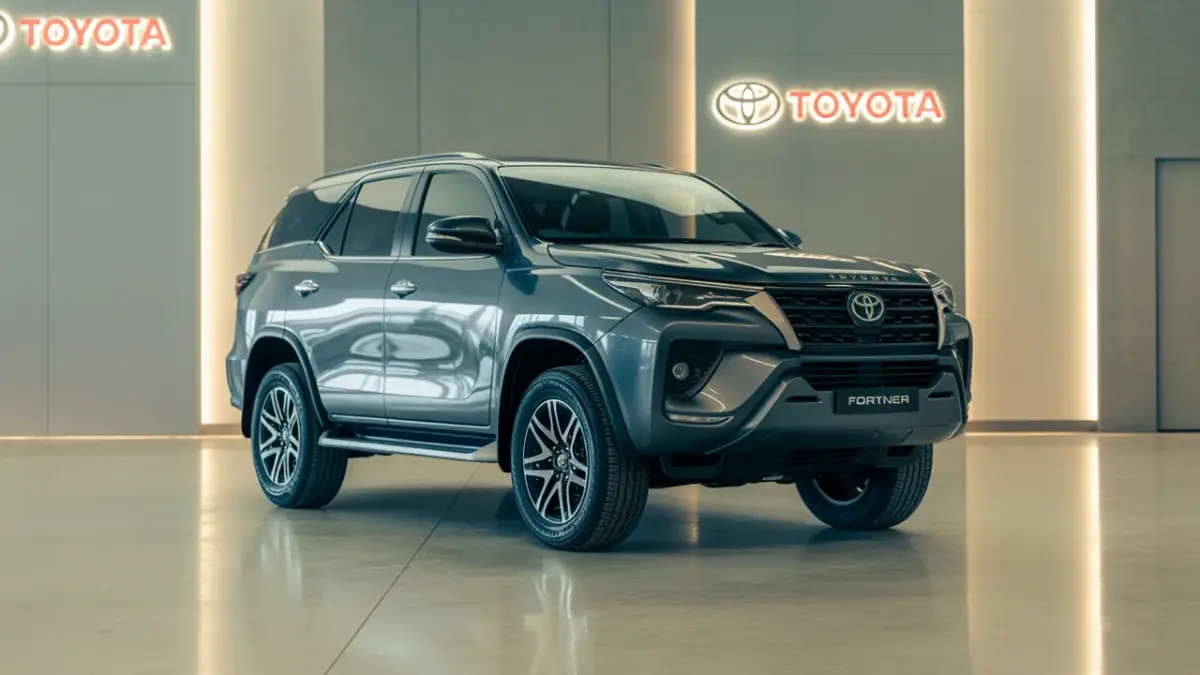
  • The King is Back: 2026 Toyota Fortuner Breaks Cover with Hybrid Power and a Panoramic Sunroof!

    The King is Back: 2026 Toyota Fortuner Breaks Cover with Hybrid Power and a Panoramic Sunroof!

    The Toyota Fortuner has long been the undisputed king of the premium SUV segment in India and global markets. As we move into 2026, Toyota is set to elevate this legend with a complete generation update. The upcoming Toyota Fortuner 2026 is generating massive buzz, promising a perfect blend of rugged off-road capability, futuristic hybrid technology, and a much-needed interior overhaul.

    Here is everything you need to know about the SUV that continues to define “Status” on the road.

    1. A Bold New Design Philosophy

    The 2026 Fortuner moves away from its traditional look toward a more sophisticated and muscular aesthetic. Drawing inspiration from Toyota’s global icons like the Tacoma and Land Cruiser, the new model features:

    • Aggressive Front Fascia: A larger, hexagonal grille flanked by sleek, tri-beam LED headlights and redesigned signature DRLs.
    • Muscular Stance: Sharper body lines, flared wheel arches, and 18-to-20-inch diamond-cut alloy wheels give it a commanding presence.
    • Modern Rear: The rear gets a premium touch with slim, interconnected LED taillamps and a revised integrated spoiler.

    2. Performance: The Hybrid Revolution

    The biggest talking point of the 2026 model is the introduction of Mild-Hybrid technology. Toyota aims to make this beast more environmentally friendly without sacrificing its signature “go-anywhere” power.

    FeatureSpecification (Estimated)
    Engine2.8L 4-Cylinder Turbo Diesel + 48V Mild-Hybrid System
    Power Output~204 PS
    Peak Torque500 Nm
    Transmission6-speed Manual / 6-speed Torque Converter Automatic
    Drive System4×2 and 4×4 with Terrain Management Modes

    The Benefit: The 48V hybrid system assists in smoother acceleration, better stop-start functionality, and an expected 10-15% improvement in fuel efficiency.

    3. A Luxury Lounge on Wheels

    Toyota has addressed the long-standing demand for a more modern cabin. The 2026 Fortuner’s interior is a massive leap forward in terms of materials and tech:

    • Panoramic Sunkist: For the first time, the Fortuner is expected to feature a Panoramic Sunroof, a feature highly anticipated by Indian buyers.
    • Next-Gen Infotainment: A massive 12.3-inch floating touchscreen with wireless Apple CarPlay and Android Auto.
    • Digital Cockpit: A fully digital instrument cluster that provides navigation, hybrid stats, and off-road data.
    • Premium Comfort: Dual-zone climate control, ventilated seats, and multi-color ambient lighting.

    4. Advanced Safety: Toyota Safety Sense (ADAS)

    The 2026 Fortuner isn’t just tougher; it’s smarter. It will come equipped with ADAS Level 2 (Toyota Safety Sense), making it one of the safest SUVs in its class. Key features include:

    • Pre-Collision System: Automatic emergency braking to prevent accidents.
    • Adaptive Cruise Control: Maintains a safe distance from the car ahead on highways.
    • 360-Degree Camera: To help maneuver this giant in tight parking spots or tricky off-road trails.
    • Lane Departure Alert: Keeps the vehicle centered during long highway drives.

    5. Expected Launch and Pricing

    While Toyota has not officially announced the date, industry insiders expect the Toyota Fortuner 2026 to debut in India by late 2025 or early 2026.

    Given the massive upgrades in technology and hybrid hardware, the pricing is expected to see a bump. The estimated ex-showroom price could range between ₹38 Lakh to ₹55 Lakh, depending on the variant.